
Pitless Drilling Services: The Future of Sustainable Closed Loop Drilling
Introduction
Environmental protection, operational efficiency, and responsible resource management are becoming increasingly important in the oil and gas industry. Pitless Drilling Services offer an effective approach to modern drilling by reducing dependence on conventional open reserve pits and improving the management of drilling waste. Through controlled waste collection, solids separation, and drilling fluid recovery, this method supports cleaner and more efficient drilling operations.
Petropath Fluids (India) Ltd provides specialized drilling and fluid management solutions designed to support operational requirements while addressing environmental concerns. By integrating advanced solids control technologies and fluid recycling practices, pitless drilling can help operators reduce waste generation, conserve resources, and maintain safer drilling sites.
What Are Pitless Drilling Services?
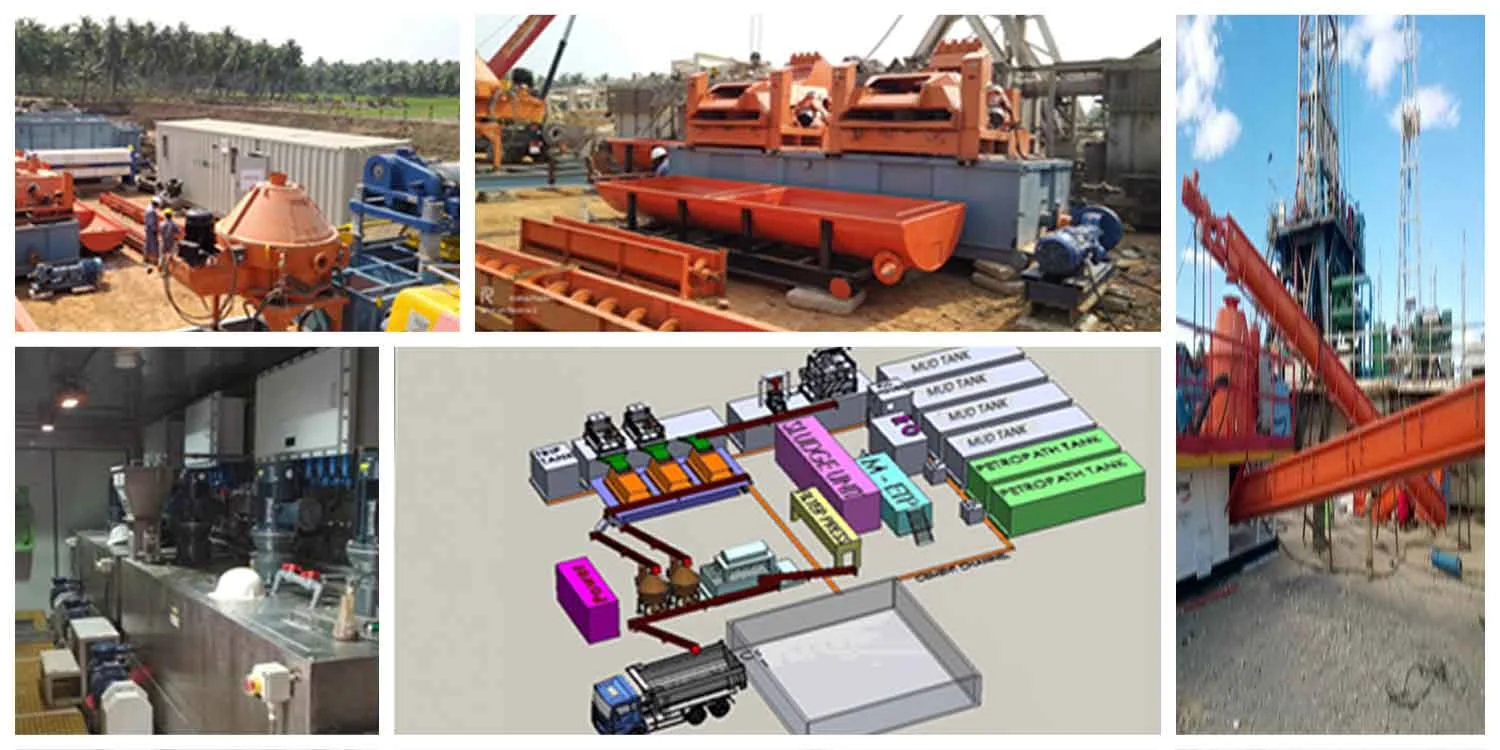
Pitless Drilling Services involve managing drilling fluids and cuttings without relying on conventional open surface pits for waste storage. Instead, a closed containment arrangement collects drilling returns and directs them through appropriate solids separation and fluid treatment equipment.
This approach helps prevent uncontrolled waste accumulation and reduces the risk of drilling fluid spills, soil contamination, and groundwater pollution. It also allows valuable drilling fluids to be recovered and reused when their properties meet operational requirements.
For oil and gas operators, pitless drilling offers a practical way to improve drilling waste management while supporting environmental responsibility and efficient use of materials.
How a Closed Loop Drilling System Works
A Closed Loop Drilling System uses a controlled process to separate drilled solids from reusable drilling fluids. Equipment selection and process configuration depend on the drilling conditions, fluid characteristics, and project requirements.
1. Drilling Waste Collection
Drilling returns, including cuttings and drilling fluids, are collected in designated tanks or containment units. Proper containment helps reduce spills, limit unnecessary land disturbance, and maintain a more organized drilling site.
2. Solids Control and Separation
Equipment such as shale shakers, desanders, desilters, and centrifuges separates solids from the drilling fluid. The appropriate combination depends on the particle sizes, flow rates, and required separation performance.
3. Drilling Fluid Recovery and Reuse
After treatment, recovered drilling fluid can be evaluated and conditioned for reuse. Maintaining suitable fluid properties can reduce the need for fresh water, replacement mud, and additional chemical additives.
4. Controlled Waste Handling
Separated cuttings and other residual waste are collected for appropriate treatment, transportation, and disposal according to applicable environmental requirements. This process improves waste traceability and reduces reliance on open-pit storage.
Key Benefits of Pitless Drilling Services
Adopting Pitless Drilling Services can provide operational, financial, and environmental advantages when the system is properly designed and managed.
Reduced Drilling Costs
Recovering and reusing drilling fluids can lower the consumption of replacement fluids, water, and selected additives. Operators may also reduce expenses associated with constructing, lining, maintaining, and closing conventional reserve pits.
Improved Site Management
Closed containment systems can create a more organized drilling environment by limiting exposed waste and improving material handling. This can simplify site operations and reduce certain housekeeping and spill-control challenges.
Better Resource Efficiency
Fluid recovery supports more efficient use of drilling materials. By separating solids and returning suitable fluids to the active system, operators can reduce waste volumes and improve resource utilization.
Lower Environmental Risks
Containing drilling returns and managing waste through controlled processes can reduce the potential for soil and groundwater contamination. Actual environmental performance depends on equipment integrity, operating practices, waste characteristics, and final disposal arrangements.
Environmental Advantages of Sustainable Drilling Solutions
Sustainable Drilling Solutions focus on balancing operational performance with responsible resource use. Pitless drilling supports this objective through improved containment, waste segregation, and fluid recovery.
Key environmental advantages include:
Reduced land disturbance: Minimizing dependence on open reserve pits can reduce the land required for waste storage.
Water conservation: Recovering suitable drilling fluids can reduce freshwater demand, depending on the fluid system and recycling efficiency.
Improved waste management: Separating solids from liquids supports more controlled handling and disposal.
Reduced spill exposure: Engineered containment and proper operating procedures help limit accidental releases.
More efficient logistics: Appropriate on-site treatment can reduce some waste transportation requirements.
These benefits make pitless drilling a valuable option for projects seeking to improve environmental management without overlooking operational needs.
Safety and Environmental Compliance
Safety is an essential part of effective drilling waste management. Open pits can present hazards associated with access, spills, and exposure to drilling fluids. Properly designed pitless systems can reduce these risks through enclosed or controlled containment, equipment safeguards, and organized waste handling.
Operators must select and operate equipment in accordance with project specifications, applicable pollution-control requirements, and relevant environmental regulations. Routine inspections, spill-response planning, worker training, and authorized waste disposal remain essential.
Pitless drilling does not automatically guarantee zero discharge or regulatory compliance. These outcomes depend on the complete waste management plan, system performance, and adherence to applicable requirements.
Why Choose Petropath Fluids for Pitless Drilling Services?
Petropath Fluids (India) Ltd offers drilling fluid and oilfield service expertise to support demanding drilling operations. A well-planned pitless drilling approach can combine waste collection, solids control, fluid recovery, and responsible waste handling according to site-specific requirements.
Working with an experienced service provider helps operators assess equipment needs, coordinate fluid management activities, and identify opportunities to improve resource efficiency. The right solution should consider drilling conditions, waste characteristics, project logistics, environmental obligations, and overall operating costs.
For operators looking to strengthen their drilling waste management practices, Petropath Fluids can be a partner in evaluating practical, responsible solutions for their projects.
Conclusion
Pitless Drilling Services provide a modern approach to managing drilling fluids and waste while reducing dependence on conventional open reserve pits. Through controlled containment, solids separation, and fluid recovery, operators can improve site organization, conserve resources, and reduce potential environmental risks.
By integrating a suitable closed loop drilling system with responsible waste handling and regulatory compliance, drilling projects can move toward more efficient and sustainable operations. Petropath Fluids (India) Ltd supports this objective through its oilfield fluid management expertise and focus on practical drilling solutions.
We provide worldwide delivery, custom configurations, and technical support tailored to your operational needs.