
Introduction
In today’s fast-evolving oil and gas drilling industry, maintaining drilling fluid stability is not just important—it is critical. High-performance drilling fluids such as oil-based mud (OBM) and synthetic-based mud (SBM) require precise monitoring to ensure operational efficiency and safety. This is where the Electrical Stability Meter becomes a game-changing instrument.
The Electrical Stability Meter plays a crucial role in evaluating emulsion strength, ensuring optimal drilling fluid performance, and preventing costly operational failures. This blog explores its importance, applications, and benefits while helping you understand why it is indispensable in modern drilling operations.
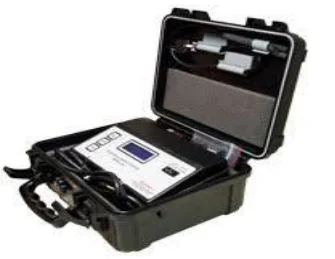
🔬 What is an Electrical Stability Meter?
An Electrical Stability Meter is a specialized drilling fluid testing equipment used to measure the voltage required to break the oil-water emulsion in drilling fluids. This voltage is known as the Electrical Stability (ES) value.
- High ES Value: Indicates strong and stable emulsion
- Low ES Value: Signals contamination or poor fluid condition
This testing is essential in oil-based mud testing and emulsion stability testing, ensuring drilling fluids maintain their performance under extreme downhole conditions.
⚙️ Why Electrical Stability Testing is Critical
🚀 Key Importance in Oil & Gas Operations
Using an ES Meter for drilling fluids enables engineers to monitor fluid health and prevent major drilling issues.
Benefits Include:
- Real-time monitoring of drilling fluid stability
- Early detection of contamination (water, solids, gases)
- Optimization of emulsifier concentration
- Improved rheological properties
- Reduced risk of emulsion breakdown
- Enhanced drilling efficiency in HPHT (High Pressure High Temperature) wells
Consistent use of an Electrical Stability Meter ensures proactive fluid management, reducing downtime and operational risks.
📊 Technical Specifications of Electrical Stability Meter
| Parameter | Specification |
|---|---|
| Power Supply | AC 220V ±10%, 50 Hz |
| Output Voltage | 0 – 2000 V |
| Frequency | 340 Hz |
| Electrode Spacing | 1.59 mm |
| Rated Power | 20 W |
⭐ Key Features of Electrical Stability Meter
The Electrical Stability Meter is engineered for durability and precision in demanding oilfield conditions.
Highlight Features:
- Wide voltage range for precise ES measurement
- Stable frequency output for consistent results
- Industry-standard electrode spacing
- Rugged design for harsh environments
- User-friendly operation
- Low maintenance requirements
- Long operational lifespan
These features make it a reliable drilling fluid testing equipment for both laboratory and field use.
🌍 Applications in Oil & Gas Industry
The Electrical Stability Meter is widely used across multiple drilling and testing environments.
Common Applications:
- Drilling fluid laboratories
- Rig site mud labs
- Oil-based mud testing programs
- Synthetic mud evaluation
- Quality control processes
- Research & development centers
- Training institutions
From onshore rigs to offshore drilling platforms, the ES Meter for drilling fluids ensures consistent and reliable testing.
📈 7 Powerful Benefits of Electrical Stability Meter
1. Accurate Emulsion Stability Measurement
Provides precise ES values for better fluid analysis.
2. Prevents Drilling Fluid Failure
Identifies instability before it causes operational issues.
3. Enhances Drilling Efficiency
Maintains optimal mud performance during drilling.
4. Reduces Non-Productive Time (NPT)
Minimizes downtime caused by fluid-related failures.
5. Improves Decision-Making
Helps engineers optimize chemical treatments.
6. Ensures Wellbore Stability
Supports safe and efficient well construction.
7. Extends Fluid Life Cycle
Reduces cost by maintaining fluid integrity longer
🛢️ Why Electrical Stability Meter is Essential in Modern Drilling
As drilling operations become more complex, maintaining fluid stability becomes increasingly challenging. Even minor instability can lead to:
- Poor hole cleaning
- Increased torque and drag
- Barite sag
- Wellbore collapse
- Expensive corrective operations
The Electrical Stability Meter acts as an early warning system, helping engineers take corrective action before issues escalate
🌐 Global Standards & Compatibility
The Electrical Stability Meter is designed to meet international oilfield standards, ensuring consistent testing across global operations.
Key Advantages:
- Standardized electrode spacing
- Reliable voltage output
- Repeatable measurement accuracy
- Suitable for onshore and offshore use
This makes it a preferred choice for multinational drilling projects requiring consistent data comparison.
🧾 Conclusion
The Electrical Stability Meter is a vital instrument in modern drilling fluid management. Its ability to accurately measure emulsion strength makes it indispensable for maintaining drilling efficiency, safety, and cost-effectiveness.
From improving fluid performance to preventing costly failures, the Electrical Stability Meter delivers unmatched value in oil and gas operations. Whether used in laboratories or rig sites, it ensures reliable and consistent emulsion stability testing.
Looking for high-performance Electrical Stability Meter solutions for your drilling operations?
Get in touch with our experts today for:
- Product specifications
- Technical consultation
- Customized solutions
- Bulk inquiries
👉 Contact us now to optimize your drilling fluid testing performance and achieve superior operational efficiency.