
Corrosion Inhibitor for Oil & Gas Lines: 9 Powerful Ways to Prevent Pipeline Corrosion and Extend Asset Life
Introduction
Corrosion Inhibitor for Oil & Gas Lines is one of the most effective solutions for protecting critical pipeline infrastructure in today’s oil and gas industry. Pipelines transport crude oil, natural gas, produced water, and multiphase fluids under demanding operating conditions, making them vulnerable to continuous internal corrosion. Without proper protection, corrosion can weaken steel surfaces, reduce production efficiency, increase maintenance costs, and even lead to unexpected failures.
Modern oilfields often produce fluids containing carbon dioxide (CO₂), hydrogen sulfide (H₂S), oxygen, chlorides, salts, and water. These aggressive substances accelerate corrosion and shorten pipeline service life. Implementing a high-quality Corrosion Inhibitor for Oil & Gas Lines helps create a protective barrier inside pipelines, significantly reducing corrosion rates while improving operational reliability.
At Petropath Fluids India Ltd., PP CORROSION INHIBITOR is engineered to provide long-lasting protection for upstream, midstream, and downstream assets. This advanced solution supports safer operations, lowers maintenance expenses, and enhances the overall integrity of oil and gas infrastructure.
Why Pipeline Corrosion Is a Major Industry Challenge
Corrosion remains one of the largest operational and financial challenges across the petroleum industry. Every year, operators spend millions repairing damaged pipelines, replacing equipment, and managing production losses caused by corrosion.
Several factors contribute to pipeline deterioration, including:
- Carbon dioxide that forms corrosive carbonic acid in the presence of water
- Hydrogen sulfide causing sulfide stress cracking
- Oxygen contamination that accelerates oxidation
- High salinity produced water
- Organic acids within production fluids
- Microbiologically influenced corrosion (MIC)
A reliable Corrosion Inhibitor for Oil & Gas Lines minimizes these risks by preventing corrosive chemicals from reaching the metal surface.
What Is PP CORROSION INHIBITOR?
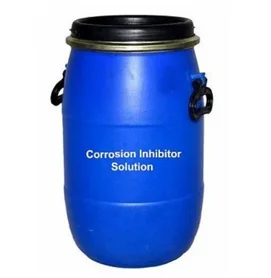
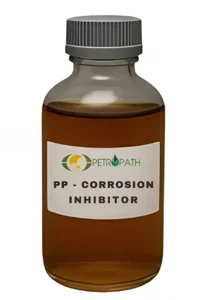
PP CORROSION INHIBITOR is an advanced oilfield corrosion inhibitor chemical specially developed for internal pipeline protection. It contains carefully selected film-forming compounds that bond directly to steel surfaces and create a durable protective coating.
Instead of allowing corrosive fluids to attack pipeline walls, the inhibitor isolates the metal from harmful substances. This protective layer remains effective under varying flow conditions, temperatures, and pressures commonly encountered in oilfield operations.
Whether used in crude oil pipelines, gas gathering systems, production tubing, or water injection lines, PP CORROSION INHIBITOR delivers dependable long-term corrosion control.
How Corrosion Inhibitors Protect Oil & Gas Pipelines
Understanding how a Corrosion Inhibitor for Oil & Gas Lines works helps operators maximize its effectiveness.
1. Molecular Surface Adsorption
Active molecules rapidly attach to exposed steel surfaces throughout the pipeline system.
2. Protective Film Formation
These molecules organize into a continuous hydrophobic barrier that firmly adheres to the metal.
3. Isolation from Corrosive Fluids
The protective film prevents CO₂, H₂S, oxygen, salts, and produced water from contacting the steel.
4. Reduced Electrochemical Reactions
Since corrosive agents cannot directly reach the metal surface, corrosion reactions slow dramatically, preserving pipeline integrity.
This advanced protection mechanism makes the inhibitor highly effective in both sweet and sour oilfield environments.
Key Features of PP CORROSION INHIBITOR
PP CORROSION INHIBITOR offers numerous performance advantages that make it suitable for demanding field conditions.
Its key benefits include:
- Excellent pipeline corrosion inhibitor oil and gas performance
- Superior protection against CO₂ corrosion
- Effective defense against H₂S attack
- Strong molecular film formation
- Compatibility with crude oil and natural gas systems
- Excellent thermal stability
- High-pressure operational performance
- Reduced maintenance frequency
- Longer equipment life
- Improved production efficiency
These characteristics help operators maintain reliable production while lowering operational costs.
Applications Across Oil & Gas Operations
A Corrosion Inhibitor for Oil & Gas Lines is widely used throughout the energy sector because of its versatility.
Upstream Production
It protects:
- Wellheads
- Production tubing
- Flowlines
- Downhole equipment
- Gathering systems
Midstream Transportation
It safeguards:
- Crude oil pipelines
- Natural gas pipelines
- Multiphase transportation systems
- Export pipelines
- Subsea flowlines
Storage Facilities
Applications include:
- Storage tanks
- Tank farm piping
- Loading terminals
- Transfer pipelines
Refining and Processing Plants
Protection extends to:
- Process piping
- Heat exchangers
- Separators
- Pressure vessels
Water Injection Systems
The inhibitor also protects:
- Produced water pipelines
- Injection wells
- Disposal systems
This broad application range makes it a preferred pipeline corrosion inhibitor oil and gas solution for integrated operations.
Recommended Dosage and Injection Methods
The recommended dosage typically ranges from 25 to 200 ppm, depending on operating conditions.
Several factors determine the optimum dosage, including:
- Water content in production fluids
- CO₂ concentration
- H₂S concentration
- Operating temperature
- Pressure conditions
- Flow velocity
- Existing corrosion rates
Common injection methods include:
- Continuous chemical injection
- Batch treatment
- Wellhead injection
- Downhole capillary injection
- Pigging operations
Routine corrosion monitoring helps optimize chemical consumption while ensuring maximum protection.
Benefits of Using a Corrosion Inhibitor
Selecting a premium Corrosion Inhibitor for Oil & Gas Lines delivers measurable operational and financial advantages.
Major benefits include:
- Extends pipeline lifespan
- Reduces corrosion failures
- Minimizes production downtime
- Lowers maintenance costs
- Improves equipment reliability
- Enhances workplace safety
- Protects valuable infrastructure
- Supports regulatory compliance
- Improves production efficiency
- Provides dependable crude oil pipeline corrosion protection
These advantages contribute directly to higher profitability and improved operational performance.
Why Choose Petropath Fluids India Ltd.?
Petropath Fluids India Ltd. is a trusted provider of specialized oilfield chemical solutions designed to meet the demanding needs of modern energy operations.
Our expertise includes:
- High-performance oilfield corrosion inhibitor chemical formulations
- Consistent product quality
- Advanced research and development
- Reliable global supply capabilities
- Technical support for corrosion management
- Customized chemical treatment programs
Every solution is engineered to maximize equipment life while reducing operational risks.
Best Practices for Maximum Corrosion Protection
For the best performance, operators should combine chemical treatment with proactive asset management practices.
Recommended practices include:
- Conduct routine corrosion monitoring
- Perform regular pipeline inspections
- Monitor water chemistry
- Optimize chemical injection rates
- Use intelligent pigging programs
- Track corrosion coupon data
- Adjust treatment based on operating conditions
Integrating these practices with PP CORROSION INHIBITOR creates a comprehensive corrosion management strategy.
Corrosion inhibitors are specialized chemical additives used in the oil and gas sector to protect pipelines, downhole tubing, and refineries against degradation caused by water, CO₂, H₂S, and organic acids.
A corrosion inhibitor is a chemical compound added to liquids or gases to slow down or prevent the degradation of metals. It works by adsorbing onto the metal surface to form a protective film, altering electrochemical reactions, or neutralizing corrosive elements like oxygen and acids.
Corrosion inhibitors are chemical compounds added in small amounts to a fluid or environment to dramatically slow down the rate of metal degradation. They generally function by forming a protective surface barrier, neutralizing corrosive elements, or interfering with the electrochemical reactions that cause metal oxidation.
Hazard Statements : Flammable liquid and vapour. May be fatal if swallowed and enters airways. Causes skin irritation. Causes serious eye damage.
In the upstream and midstream oil and gas sectors, C1, C2, C3, and C4 refer to the number of carbon atoms in hydrocarbon molecules. These light hydrocarbons are naturally gaseous at standard temperature and pressure and make up the most valuable components of natural gas and natural gas liquids (NGLs)
Conclusion
Pipeline integrity is essential for safe and profitable oil and gas operations. Exposure to CO₂, H₂S, oxygen, salts, and produced water continuously threatens steel infrastructure, making corrosion control a top priority.
A high-quality Corrosion Inhibitor for Oil & Gas Lines such as PP CORROSION INHIBITOR provides an advanced, field-proven solution by forming a durable protective film on internal metal surfaces. This technology significantly reduces corrosion rates, extends equipment life, minimizes maintenance costs, and improves operational reliability.
Whether protecting production tubing, crude oil pipelines, gas transmission systems, or water injection networks, investing in an advanced Corrosion Inhibitor for Oil & Gas Lines helps operators safeguard valuable assets while achieving long-term production efficiency. With Petropath Fluids India Ltd., you gain reliable corrosion protection backed by technical expertise and industry-focused chemical innovation.