
Electrical Stability Meter: Advanced ES Testing Solution for Oil & Gas Drilling Fluids
Modern drilling operations depend on stable, high-performance drilling fluids. In oil-based mud (OBM) and synthetic-based mud (SBM) systems, a stable oil-water emulsion is essential for lubrication, wellbore integrity, filtration control, and efficient pressure management. Even a small change in emulsion quality can affect drilling performance and increase operational risk.
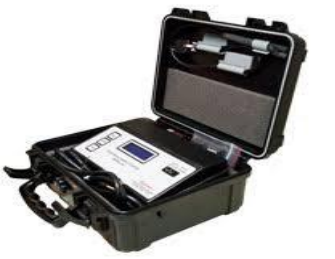
An Electrical Stability Meter is a vital instrument for monitoring the condition of non-aqueous drilling fluids. It helps mud engineers, drilling-fluid specialists, and laboratory technicians assess emulsion strength through a measurable electrical stability (ES) value. With reliable ES testing, teams can identify developing fluid issues early and make timely treatment decisions.
What Is an Electrical Stability Meter?
An Electrical Stability Meter is a specialized instrument used to measure the voltage required for an oil-based or synthetic drilling fluid to conduct electricity across immersed electrodes. The recorded value is known as the electrical stability, or ES, reading.
During the test, the meter applies a steadily increasing sinusoidal AC voltage to a drilling fluid sample. The voltage at which the fluid begins to conduct current is displayed as the ES value. This measurement provides a practical indication of the fluid’s emulsion condition and oil-wetting quality.
In general, a higher ES value indicates a stronger and more stable emulsion. A lower or rapidly declining value may indicate water contamination, insufficient emulsifier concentration, poor solids wetting, thermal degradation, or changes in the mud system. However, ES values should always be interpreted as part of a trend alongside other drilling fluid tests rather than as a stand-alone pass-or-fail result.
Why Electrical Stability Testing Matters in Drilling Operations
Oil-based and synthetic drilling fluids are selected for challenging wells because they can provide strong shale inhibition, improved lubrication, and performance in demanding downhole environments. To retain these benefits, the emulsion system must remain stable throughout the drilling program.
An Electrical Stability Meter gives the drilling team an early indication of changing fluid quality. Regular testing supports proactive maintenance instead of waiting for visible symptoms such as poor rheology, excessive filtration, barite sag, or wellbore problems.
Electrical stability testing can help operators:
Track the health of oil-based and synthetic mud systems.
Detect the impact of water, formation fluids, drilled solids, and contaminants.
Evaluate emulsifier and wetting-agent performance.
Support chemical-treatment decisions at the rig site.
Maintain stable drilling fluid properties over time.
Reduce the risk of emulsion breakdown and non-productive time.
For high-pressure, high-temperature, deepwater, and extended-reach wells, consistent monitoring with an Electrical Stability Meter becomes especially valuable because fluid performance margins may be narrow.
How the ES Meter for Drilling Fluids Works
An ES Meter for drilling fluids works by placing a standardized electrode probe into a prepared mud sample. The instrument gradually increases the voltage across the electrode gap until the sample conducts a specified current. The maximum voltage sustained by the sample is reported as the electrical stability value.
This controlled approach provides repeatable results when the same sample-preparation and testing practices are followed. API RP 13B-2 includes electrical stability testing procedures for field testing non-aqueous drilling fluids, making ES testing a familiar part of professional mud laboratory programs.
The reading should be trended over time. For example, a stable mud system may show consistent ES readings, while a sudden decrease can prompt the team to investigate water contamination, poor oil-wetting, emulsifier depletion, or a change in solids loading. This makes the Electrical Stability Meter an effective diagnostic tool for daily drilling-fluid management.
Electrical Stability Meter Technical Specifications
A dependable Electrical Stability Meter should deliver controlled voltage output and stable frequency for accurate, repeatable testing.
| Parameter | Specification |
|---|---|
| Power supply | AC 220 V ±10%, 50 Hz |
| Output voltage | 0–2000 V |
| Output frequency | 340 Hz |
| Electrode spacing | 1.59 mm (0.061 inch) |
| Rated power | 20 W |
These specifications support routine electrical stability testing in drilling fluid laboratories and rig-site mud labs. The 0–2000 V voltage range is suitable for evaluating the resistance of oil-based and synthetic mud samples before electrical breakdown occurs.
Key Features of Oil-Based Mud Testing Equipment
The Electrical Stability Meter is designed for practical use in laboratory and field environments where testing must be accurate, fast, and repeatable. As a key part of oil-based mud testing equipment, it should offer dependable operation during continuous drilling-fluid monitoring.
Important features include:
Wide voltage output range for precise ES measurement.
Stable 340 Hz frequency for repeatable readings.
Standardized electrode spacing for consistent test conditions.
Durable construction for field and laboratory use.
Simple operation with minimal training requirements.
Low-maintenance design for routine testing schedules.
Compact format suitable for mobile mud labs and central laboratories.
A reliable instrument helps technicians carry out tests efficiently and gives drilling engineers data they can use with confidence.
Applications in Drilling Fluid Laboratories
The Electrical Stability Meter is widely used wherever non-aqueous drilling fluids are formulated, monitored, or evaluated. It is one of the most important drilling fluid laboratory instruments for oil-based and synthetic mud programs.
Common applications include:
Rig-site mud laboratories.
Central drilling fluid laboratories.
Oil-based mud quality-control programs.
Synthetic-based mud emulsion evaluation.
Offshore drilling operations.
Onshore exploration and development wells.
Research and development centers.
Technical training facilities.
Whether the operation involves a conventional land well or a complex offshore project, electrical stability testing helps teams maintain consistent mud quality throughout the drilling cycle.
Benefits of Emulsion Stability Testing
Emulsion stability testing provides operational value beyond a single voltage reading. By using an Electrical Stability Meter as part of a routine testing program, drilling teams can make better-informed decisions about fluid maintenance and treatment.
Key benefits include:
Reliable assessment of emulsion condition.
Earlier identification of fluid contamination.
Better control of emulsifier and wetting-agent treatments.
Improved consistency of oil-based and synthetic mud systems.
Reduced likelihood of unexpected mud failure.
Support for wellbore stability and hole-cleaning performance.
Lower risk of expensive remedial work and downtime.
A strong ES trend does not replace other essential mud tests, such as rheology, density, filtration, retort analysis, and solids-control checks. Instead, it complements them by providing an additional indicator of the overall condition of the drilling fluid.
Why Choose an Electrical Stability Meter?
As wells become deeper, hotter, and more technically challenging, drilling fluids must perform reliably under demanding conditions. Minor changes in emulsion quality can contribute to poor hole cleaning, higher torque and drag, barite sag, filtration issues, and wellbore instability.
An Electrical Stability Meter provides a quick, measurable way to monitor the emulsion system before minor changes become major drilling problems. Its controlled voltage output, standardized electrode configuration, and straightforward operation make it a dependable solution for modern drilling-fluid testing.
Conclusion
The Electrical Stability Meter is an essential instrument for evaluating the emulsion strength of oil-based and synthetic drilling fluids. It enables drilling teams to monitor ES trends, identify potential fluid degradation, optimize treatment programs, and support safer, more efficient well construction.
With accurate voltage control, stable frequency, and rugged field-ready design, the Electrical Stability Meter remains a trusted choice for drilling fluid laboratories and oilfield operations worldwide. For technical specifications, product selection, or laboratory setup support, choose a solution designed for reliable emulsion stability testing in demanding drilling environments.