
Drilling Fluid Laboratory: Complete Guide to Equipment for Accurate Mud Testing
Modern oil and gas drilling operations depend on drilling fluids to control formation pressure, stabilize the wellbore, transport drilled cuttings, cool and lubricate the drill bit, and support efficient well construction. Because drilling fluid properties can change during drilling, accurate laboratory analysis is essential for making informed operational decisions. A reliable Drilling Fluid Laboratory provides the equipment and testing capabilities required to evaluate mud performance under different drilling conditions.
At Petropath Fluids Ltd., we offer a comprehensive range of drilling fluid laboratory equipment designed for field testing, quality control, research, and advanced drilling fluid analysis. Our equipment helps oilfield operators and drilling professionals measure critical properties with accuracy, consistency, and repeatability.
What Is a Drilling Fluid Laboratory?
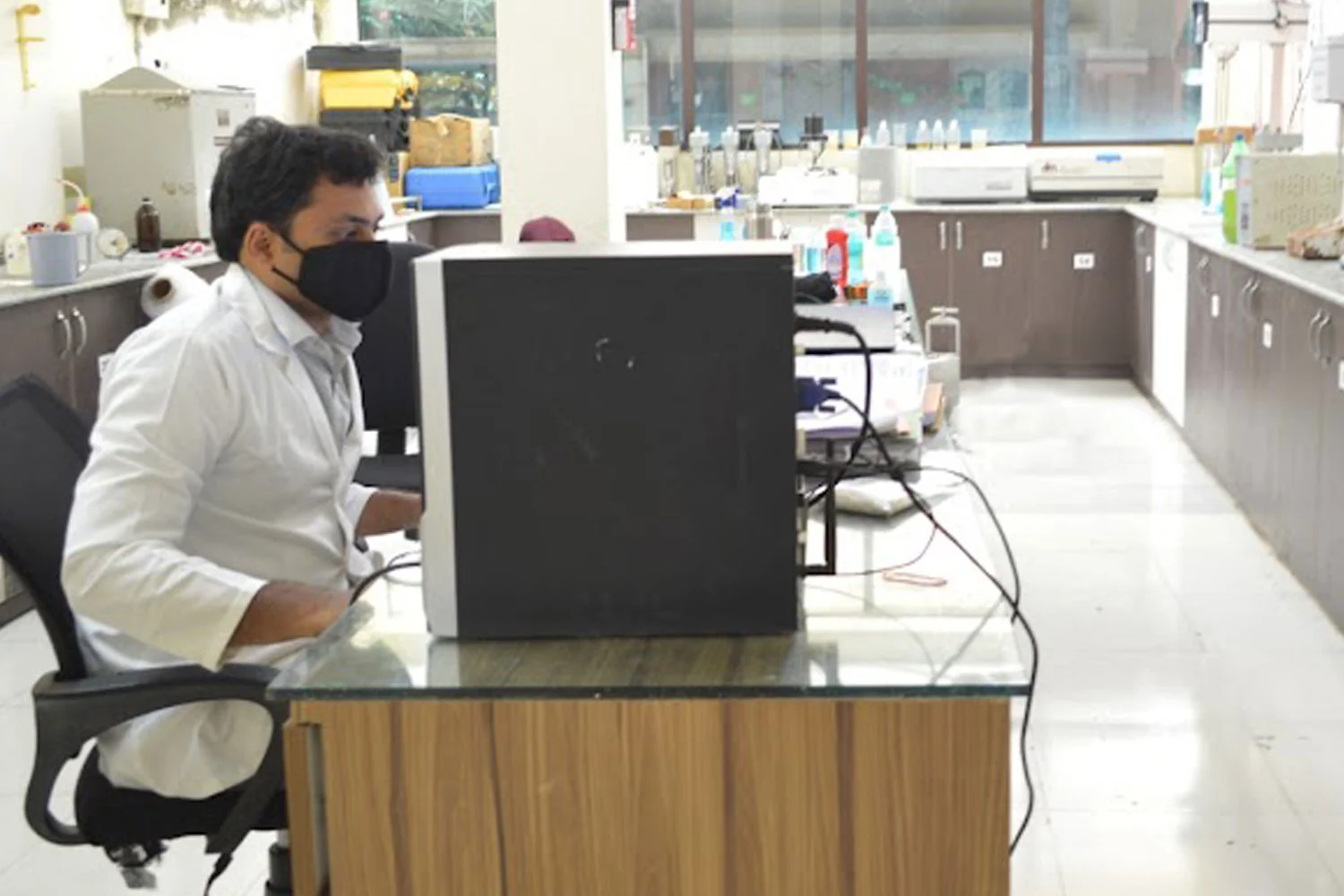
A Drilling Fluid Laboratory is a specialized testing environment where drilling mud samples are analyzed to determine their physical and chemical properties. These tests help drilling engineers understand whether a fluid system is performing according to operational requirements.
A properly equipped laboratory can evaluate important parameters such as mud density, viscosity, rheology, filtration, solids content, sand content, oil-water ratio, lubricity, and high-temperature performance. The resulting data allows drilling teams to optimize fluid formulations and respond quickly to changing downhole conditions.
Why Is a Drilling Fluid Laboratory Important?
Maintaining consistent drilling fluid properties is essential for safe and efficient drilling. An effective Drilling Fluid Laboratory helps identify changes in mud performance before they become major operational problems.
Regular testing can support:
Better wellbore stability
Effective formation pressure control
Improved hole cleaning
Reduced filtration problems
Better control of drilling fluid rheology
Reduced equipment wear
Improved drilling efficiency
More reliable quality control
Laboratory data also assists engineers in selecting appropriate additives and adjusting drilling fluid formulations according to well conditions.
Essential Drilling Fluid Laboratory Equipment
A professional Drilling Fluid Laboratory requires a combination of basic field-testing instruments and advanced laboratory equipment. Petropath Fluids Ltd. supplies a broad range of oilfield mud testing equipment for routine and specialized analysis.
Mud Balance
A mud balance is used to determine drilling fluid density. Accurate density measurement is important for maintaining appropriate hydrostatic pressure and supporting well control.
Marsh Funnel Viscometer
The Marsh funnel provides a quick indication of drilling fluid viscosity. It is commonly used for routine field checks and monitoring changes in fluid flow behavior.
6-Speed Viscometer
A 6-speed viscometer provides detailed rheological measurements at different shear rates. These results help engineers understand fluid behavior and optimize drilling fluid performance.
Retort Kit
A retort kit determines the proportions of oil, water, and solids in a drilling fluid sample. This information is valuable for monitoring fluid composition and maintaining system balance.
Sand Content Kit
Excessive sand and abrasive solids can increase wear on pumps and drilling equipment. A sand content kit helps measure the percentage of sand present in drilling fluids.
API Filter Press
An API filter press evaluates the filtration characteristics of drilling mud under standardized conditions. Fluid loss and filter cake properties are important considerations for formation protection and wellbore stability.
HTHP Filter Press
High-temperature, high-pressure filtration testing provides additional information for drilling environments where conventional filtration tests may not adequately represent downhole conditions.
Pressurized Mud Balance
A pressurized mud balance measures drilling fluid density under elevated pressure. This can provide more representative density measurements for demanding drilling environments.
Lubricity Tester
A lubricity tester evaluates the friction-reducing characteristics of drilling fluids. Proper lubrication can help reduce torque and drag, particularly in directional and extended-reach wells.
Roller Oven and Hamilton Beach Mixer
A roller oven is used for hot rolling tests to evaluate fluid stability after exposure to elevated temperatures. A Hamilton Beach mixer provides consistent sample preparation before testing.
Applications of Drilling Fluid Laboratory Equipment
A modern Drilling Fluid Laboratory can support several stages of drilling fluid development, testing, and quality assurance.
Oil and Gas Exploration
During exploration and drilling operations, laboratory testing helps determine whether drilling fluids meet required performance characteristics. Regular analysis can help teams respond to changes in formations and drilling conditions.
Field Mud Testing
Portable and field-ready instruments enable drilling personnel to conduct routine tests directly at the rig site. Quick results support faster operational decisions and help maintain fluid properties within desired ranges.
Research and Development
Research laboratories use mud testing laboratory instruments to formulate new drilling fluid systems, evaluate additives, and compare different formulations under controlled conditions.
Quality Assurance
Standardized testing helps manufacturers, drilling contractors, and service companies verify product and fluid performance. Consistent testing procedures also contribute to better documentation and quality control.
Choosing the Right Drilling Fluid Laboratory Equipment
When establishing or upgrading a Drilling Fluid Laboratory, equipment selection should be based on the types of drilling fluids, testing requirements, operating environments, and applicable industry standards.
Important considerations include:
Required testing parameters
Measurement accuracy
Operating temperature and pressure
Equipment durability
Calibration requirements
Ease of operation and maintenance
Availability of technical support
Compliance with applicable API procedures
Choosing appropriate drilling fluid testing equipment can improve the reliability of laboratory data and support better drilling-fluid management.
Most drilling fluids are water based from either fresh or salt water, although oil-based fluids (or synthetic fluids meant to mimic the properties of oil) are also used. Less commonly used are gaseous fluids, which are air and foam based.
Contamination of the drilling fluid system can come from any one of the following sources: materials coming from the formation, thermal degradation of organics in mud, or aeration or overtreatment at the surface.
Drilling lube (or cutting fluid) works by actively reducing friction, dissipating extreme heat, and flushing away metal debris. By creating a protective boundary between the drill bit and the workpiece, it prevents the tool from welding to the metal, significantly extending drill bit life and preventing premature dulling
Drilling fluids serve many functions: controlling formation pressures, removing cuttings from the wellbore, sealing permeable formations encoun-tered while drilling, cooling and lubricating the bit, transmitting hydraulic energy to downhole tools and the bit and, perhaps most important, maintaining wellbore stability
Why Choose Petropath Fluids Ltd.?
Petropath Fluids Ltd. provides a complete portfolio of laboratory instruments for drilling fluid analysis. Our equipment is designed to support accurate measurements, consistent testing, and dependable operation in demanding oilfield environments.
From basic density and viscosity testing to filtration, lubricity, solids analysis, and high-temperature evaluation, our Drilling Fluid Laboratory solutions can support both field operations and dedicated research facilities.
We focus on product quality, dependable engineering, testing consistency, and technical support to help customers establish efficient laboratory workflows.
Conclusion
A well-equipped Drilling Fluid Laboratory is an important part of modern drilling-fluid management. Accurate laboratory testing helps operators monitor mud properties, optimize fluid formulations, identify potential issues, and support safer and more efficient drilling operations.
Petropath Fluids Ltd. offers a comprehensive range of drilling fluid laboratory equipment, including mud balances, viscometers, filter presses, retort kits, sand content kits, lubricity testers, roller ovens, mixers, and specialized testing instruments.
For organizations looking for dependable oilfield mud testing equipment and professional mud testing laboratory instruments, Petropath provides solutions designed to support reliable drilling fluid analysis from the field to advanced research laboratories.