
Foaming Agents for HDD: 7 Benefits for Faster and More Efficient Drilling
Introduction
Foaming Agents for HDD are specialized drilling fluid additives designed to improve performance in horizontal directional drilling operations. As trenchless construction expands for pipelines, telecommunications, utilities, water lines, and infrastructure projects, drilling contractors increasingly need efficient solutions for challenging ground conditions.
HDD projects can encounter sandy formations, gravel, fractured zones, dry soils, and areas with limited water availability. These conditions can make cuttings removal difficult, increase water consumption, reduce drilling speed, and affect borehole stability. Properly selected Foaming Agents for HDD help address these challenges by creating stable foam that improves solids transport and drilling efficiency.
For contractors working on demanding HDD projects, foam-based drilling solutions can provide an effective way to improve productivity while controlling operational costs.
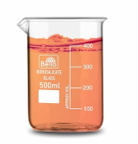
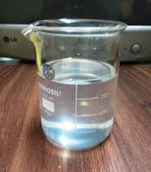
What Are Foaming Agents for HDD?
Foaming Agents for HDD are surfactant-based chemicals formulated to generate stable foam when mixed with water and air. During drilling, the resulting foam helps carry drilled cuttings from the borehole toward the surface.
Unlike conventional drilling fluids that rely primarily on liquid circulation, foam systems use a combination of air, water, and chemical additives. This makes them particularly useful in formations where reducing liquid volume or improving cuttings lifting is important.
High-quality HDD drilling chemicals should provide consistent foam generation, good stability, and compatibility with different water qualities and geological conditions. The right formulation can help contractors maintain efficient drilling performance across a wide range of projects.
7 Key Benefits of Foaming Agents for HDD
1. Improved Cuttings Removal
One of the main advantages of Foaming Agents for HDD is improved transportation of drilled solids. Stable foam surrounds and carries cuttings through the borehole, helping move them efficiently toward the surface.
Better cuttings transport contributes to cleaner boreholes and can reduce the risk of solids accumulating around the drill assembly.
2. Reduced Water Consumption
Water availability can be a significant concern at remote HDD sites or in dry geological formations. Foam drilling systems can reduce the amount of water required compared with conventional liquid-based drilling approaches.
This makes Foaming Agents for HDD valuable for projects where water conservation, transportation, or disposal is an operational concern.
3. Faster Drilling Progress
Efficient solids removal allows drilling equipment to operate more effectively. By improving hole cleaning and reducing the buildup of cuttings, foam additives can contribute to smoother drilling cycles.
For contractors, improved drilling efficiency can translate into shorter project schedules and better equipment utilization.
4. Better Borehole Stability
Loose, sandy, and fractured formations can create stability challenges during HDD operations. Properly designed foam systems can help support the borehole while improving the transportation of formation cuttings.
This is particularly useful when drilling through unstable ground where maintaining borehole integrity is essential for successful installation.
5. Lower Hydrostatic Pressure
Foam has a lower density than many conventional drilling fluids. This can help reduce hydrostatic pressure within the borehole while still providing effective cuttings transport.
Lower fluid pressure can be advantageous in formations where excessive pressure may contribute to fluid losses or other drilling complications.
6. Performance in Difficult Formations
HDD drilling fluid additives need to perform under changing geological conditions. Foam-based additives are particularly useful in sandy soils, gravel formations, dry ground, and certain fractured zones.
Their flexibility makes them suitable for a variety of trenchless drilling applications where conventional fluid systems may not provide the desired performance.
7. Improved Operational Economics
Reducing water consumption, improving cuttings removal, and supporting faster drilling can contribute to lower overall operating costs.
Although actual savings depend on formation conditions, equipment, dosage, and project design, an appropriately selected foam system can improve the efficiency of the complete drilling process.
How Do Foaming Agents Work in HDD?
The operating principle behind Foaming Agents for HDD is based on surface chemistry. The surfactants reduce the surface tension of water, allowing air to become dispersed throughout the liquid and form foam.
During drilling, the foam travels through the borehole and interacts with drilled solids. Because the foam provides buoyancy and a carrying medium, cuttings can be transported toward the surface more efficiently.
The effectiveness of the system depends on several factors, including water quality, formation characteristics, air-to-liquid ratio, injection method, and chemical concentration.
Recommended Application and Dosage
The appropriate dosage of Foaming Agents for HDD should always be determined according to actual site conditions and product specifications. A typical starting range may be approximately 0.2% to 1.0% by volume of water, although the optimum concentration can vary.
Important factors include:
- Soil and formation characteristics
- Water quality
- Required foam stability
- Drilling equipment
- Circulation rate
- Desired cuttings transport performance
Field testing and technical guidance are recommended before establishing the final operating concentration.
Application Methods
Horizontal directional drilling chemicals can be introduced through different foam-generation systems depending on equipment configuration. Common approaches include combining air, water, and chemical concentrate through a dedicated foam injection system.
Other systems may introduce diluted chemical solutions through the drill string or use pre-mixed solutions prepared in dedicated tanks.
Maintaining an appropriate air-to-liquid ratio is important because excessive or insufficient air can affect foam quality and drilling performance.
Where Are Foam Drilling Additives Used?
Foaming Agents for HDD can be used across a variety of drilling and trenchless applications, including:
- Horizontal directional drilling
- Trenchless pipeline installation
- Utility and infrastructure construction
- Water well drilling
- Geotechnical drilling
- Mining and exploration applications
They are especially useful where efficient cuttings transport and reduced water consumption are important project requirements.
Storage and Handling
Proper storage helps maintain chemical performance throughout the product’s shelf life. Foam additives should generally be stored in a cool, dry, and well-ventilated location.
Containers should remain tightly closed when not in use and should be protected from direct sunlight and extreme temperatures. Always follow the manufacturer’s technical data sheet and safety recommendations for handling, storage, and application.
Choosing the Right Foaming Solution
Selecting the right Foaming Agents for HDD requires more than simply choosing a product with high foam generation. Contractors should consider formation type, water quality, drilling equipment, required foam stability, environmental requirements, and project objectives.
A reliable supplier should also provide technical guidance on dosage, application methods, and compatibility with the drilling system. This helps contractors achieve consistent results rather than relying on a one-size-fits-all approach.
The three most common types of everyday foam are polyurethane, polyethylene, and polystyrene. Each possesses distinct material properties, which are explained below.
Conclusion
Foaming Agents for HDD provide an effective solution for improving drilling performance in challenging geological conditions. By supporting cuttings transport, reducing water consumption, improving borehole stability, and helping maintain efficient drilling cycles, foam-based systems can contribute to more productive trenchless operations.
For modern HDD contractors, choosing the appropriate HDD drilling fluid additives can make an important difference in drilling efficiency, project economics, and overall operational reliability. The best results come from matching the foam formulation and application method to the specific formation, water conditions, and equipment used on site.
We provide worldwide delivery, custom configurations, and technical support tailored to your operational needs.