
In today’s high-performance drilling environments, fluid stability is not optional—it is essential. Oil-based mud (OBM) and synthetic-based mud (SBM) systems depend on strong emulsions to maintain wellbore stability, lubrication, and pressure control. The Electrical Stability Meter plays a central role in evaluating that emulsion strength and ensuring consistent drilling performance.
This comprehensive guide explains how the Electrical Stability Meter works, why it is critical in drilling fluid laboratories, and how it supports cost-effective, safe, and optimized well construction.
What is an Electrical Stability Meter?
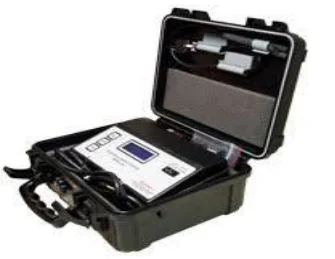
An Electrical Stability Meter is a specialized instrument used to measure the voltage required to break the oil-water emulsion in oil-based and synthetic drilling fluids. The measured voltage, known as the ES value, indicates the strength of the emulsion system.
A higher ES value means a strong, stable emulsion. A lower ES value signals potential issues such as:
Water contamination
Insufficient emulsifier concentration
Thermal degradation
Solid particle interference
Formation fluid intrusion
Regular monitoring with an Electrical Stability Meter ensures drilling fluids remain within operational specifications and performance limits.
Why Electrical Stability Testing is Critical in Drilling Operations
Electrical stability testing is fundamental for maintaining drilling fluid integrity across complex well conditions. As wells become deeper and temperatures increase, the margin for fluid failure becomes narrower.
Using a reliable Electrical Stability Meter allows engineers to:
Monitor oil-based mud health in real time
Detect contamination before operational failure
Maintain consistent rheological properties
Optimize emulsifier and wetting agent levels
Reduce risks of emulsion breakdown
Prevent non-productive time (NPT)
Proactive testing ensures fluid performance remains stable throughout the drilling lifecycle.
How the Electrical Stability Meter Works
The Electrical Stability Meter applies an increasing AC voltage across two electrodes immersed in the drilling fluid sample. When the oil-water emulsion breaks, conductivity increases sharply. The voltage at this breakdown point is recorded as the ES value.
This controlled testing method ensures:
Repeatable measurements
Accurate emulsion strength evaluation
Standardized comparison across projects
Reliable laboratory reporting
The Electrical Stability Meter is designed to align with international oilfield testing practices, ensuring consistency across drilling locations.
Technical Specifications
| Parameter | Specification |
|---|---|
| Power Supply | AC 220V ±10%, 50 Hz |
| Output Voltage | 0 – 2000 V |
| Frequency | 340 Hz |
| Electrode Spacing | 1.59 mm (0.061 inch) |
| Rated Power | 20 W |
Key Features of Electrical Stability Meter
The Electrical Stability Meter is engineered for both laboratory and field use. Its rugged design and precise measurement capability make it a dependable component of drilling fluid laboratory equipment.
Core Features:
Wide voltage output range for precise ES readings
Stable frequency for repeatable testing
Industry-standard electrode spacing
Durable construction for harsh environments
User-friendly operation
Minimal maintenance requirements
Long service life
These features ensure the Electrical Stability Meter delivers consistent results even under heavy operational schedules.
Applications of ES Meter for Drilling Fluids
The ES Meter for drilling fluids is widely used across multiple sectors of the oil and gas industry. Its versatility makes it a standard instrument in fluid testing programs.
Common Applications:
Drilling fluid laboratories
Rig site mud labs
Oil-based mud testing programs
Synthetic mud emulsion evaluation
Quality control operations
Research and development centers
Technical training institutes
From onshore exploration wells to offshore deepwater operations, the Electrical Stability Meter supports reliable emulsion monitoring.
Operational Benefits of Electrical Stability Testing Equipment
Investing in high-quality electrical stability testing equipment provides measurable operational advantages.
Key Benefits:
Accurate emulsion strength assessment
Early detection of mud contamination
Improved chemical treatment decisions
Enhanced drilling efficiency
Reduced operational risk
Minimized downtime
Extended lifespan of oil-based and synthetic mud systems
The Electrical Stability Meter contributes directly to cost control and drilling performance optimization.
Why Electrical Stability Meter is Essential for Modern Wells
Modern wells often encounter:
High-pressure environments
Elevated bottom-hole temperatures
Complex formations
Extended reach drilling challenges
Even minor emulsion instability can lead to:
Increased torque and drag
Barite sag
Poor hole cleaning
Wellbore instability
Expensive remedial operations
The Electrical Stability Meter provides early warning signs of fluid degradation, allowing corrective action before serious problems develop. This proactive approach improves safety, reliability, and operational economics.
Global Compatibility and Industry Standardization
The Electrical Stability Meter is designed for compatibility with global oilfield testing standards. Its standardized electrode spacing and stable voltage output ensure comparable results across different laboratories and drilling projects.
Whether installed in:
Central laboratories
Offshore rigs
Onshore drilling sites
Training facilities
The Electrical Stability Meter ensures consistent data accuracy and repeatability.
Best Practices for Using an Electrical Stability Meter
To maximize testing accuracy:
Ensure electrodes are clean before each test
Maintain consistent sample temperature
Calibrate the Electrical Stability Meter periodically
Record results systematically for trend analysis
Compare ES values with historical fluid data
Following these practices ensures reliable interpretation and better fluid management decisions.
Conclusion
The Electrical Stability Meter is a critical instrument for maintaining drilling fluid performance in oil-based and synthetic mud systems. By delivering precise ES values, it enables engineers and laboratory professionals to monitor emulsion strength, detect contamination early, and optimize chemical treatments.
With robust construction, standardized testing parameters, and reliable measurement accuracy, the Electrical Stability Meter remains an essential component of professional drilling fluid laboratory equipment.
For drilling operations seeking improved efficiency, reduced downtime, and enhanced wellbore stability, implementing a dependable Electrical Stability Meter is not just beneficial—it is indispensable.
Looking for a reliable Electrical Stability Meter for your drilling fluid laboratory or rig site testing program? Our technical team is ready to assist you with product specifications, pricing details, and application guidance.
Whether you need support for oil-based mud testing, synthetic mud evaluation, or complete drilling fluid laboratory equipment setup, we provide expert consultation to help you choose the right solution for your operations.