
Caustic Soda for Drilling Fluids: 7 Powerful Benefits for Better Mud Performance
Caustic Soda for Drilling Fluids is one of the most essential chemicals used in modern oil and gas drilling operations. Maintaining the correct pH level in drilling mud systems is critical for ensuring efficiency, safety, and equipment longevity. Without proper alkalinity control, drilling fluids can become unstable, leading to corrosion, poor performance, and costly downtime.
In today’s demanding drilling environments, operators rely on high-quality drilling fluid pH control chemical solutions to maintain optimal mud properties. Among these, caustic soda (sodium hydroxide) stands out as a powerful and reliable option.
This blog explores how Caustic Soda for Drilling Fluids enhances drilling performance, its working mechanism, key benefits, and why it is indispensable in oilfield operations.
What is Caustic Soda in Drilling Fluids?
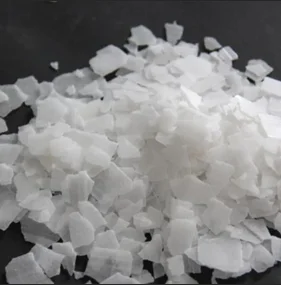
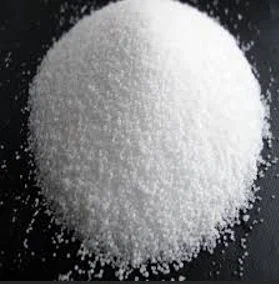
Caustic soda, chemically known as sodium hydroxide (NaOH), is a highly alkaline compound widely used in sodium hydroxide drilling mud systems. It is typically available in white flakes or pellets and dissolves easily in water, making it ideal for rapid pH adjustment.
Its primary function is to maintain and control the alkalinity of water-based mud (WBM) systems. By doing so, it supports chemical stability, improves additive performance, and ensures smooth drilling operations.
Why pH Control is Critical in Drilling Operations
Drilling fluids are constantly exposed to contaminants such as carbon dioxide (CO₂), hydrogen sulfide (H₂S), and formation acids. These elements can reduce pH levels, making the fluid acidic and unstable.
Using Caustic Soda for Drilling Fluids helps:
- Neutralize acidic gases and contaminants
- Maintain optimal pH range (9.5–11.5)
- Prevent chemical degradation of mud systems
- Protect drilling equipment from corrosion
Without proper pH control, even the best drilling fluids can fail under harsh conditions.
⚙️ Working Principle of Caustic Soda
The effectiveness of Caustic Soda for Drilling Fluids lies in its strong alkaline nature.
- When dissolved, NaOH dissociates into sodium (Na⁺) and hydroxide (OH⁻) ions
- Hydroxide ions increase the pH level of the drilling fluid
- Acidic contaminants are neutralized quickly
- The alkaline environment activates polymers and enhances clay hydration
This process ensures stable mud chemistry and improved drilling performance.
💡 7 Powerful Benefits of Caustic Soda for Drilling Fluids
1. Precise pH Control
Caustic soda is a highly effective drilling fluid pH control chemical, ensuring consistent alkalinity in mud systems.
2. Corrosion Prevention
By neutralizing acids, it protects drill pipes, casing, and equipment from corrosion.
3. Enhanced Bentonite Hydration
Acts as a bentonite hydration chemical drilling operations depend on for better viscosity and suspension properties.
4. Improved Mud Stability
Maintains chemical balance, preventing breakdown of drilling fluid properties.
5. Better Additive Performance
Improves the efficiency of polymers, viscosifiers, and other additives.
6. Fast-Acting Solution
Highly soluble in water, delivering immediate results in pH adjustment.
7. Cost-Effective Operation
Reduces downtime, maintenance costs, and fluid treatment expenses.
🛢 Applications in Oil & Gas Drilling
1. Drilling Fluid pH Control
The primary use of Caustic Soda for Drilling Fluids is maintaining alkalinity in water-based mud systems.
2. Neutralization of Contaminants
Effectively neutralizes harmful gases like CO₂ and H₂S.
3. Clay and Bentonite Treatment
Improves hydration and dispersion of clay particles.
4. Polymer Activation
Enhances the performance of drilling fluid additives.
5. Corrosion Control Systems
Supports long-term protection of drilling equipment.
📊 Product Specifications
- Chemical Name: Sodium Hydroxide (NaOH)
- Appearance: White flakes or pellets
- Purity: ≥ 98%
- Solubility: Highly soluble in water
- pH (1% solution): 13–14
- Molecular Weight: 40 g/mol
These properties make it ideal for demanding oilfield applications.
⚡ Recommended Usage & Dosage
To achieve optimal results with Caustic Soda for Drilling Fluids, proper dosing is essential.
Initial Treatment
Add gradually to raise pH to the desired level (typically 9.5–11.5).
Maintenance Treatment
Apply in small increments to maintain stable pH levels.
Dosage Depends On:
- Initial mud pH
- Level of contamination
- Drilling conditions
Accurate dosing ensures efficient mud performance and chemical stability.
🔄 Compatibility with Drilling Systems
Caustic soda is highly versatile and compatible with:
- Water-based drilling mud (WBM)
- Bentonite and clay systems
- Polymer-based drilling fluids
- Most oilfield chemical additives
This makes it a preferred choice for any oilfield caustic soda supplier delivering reliable solutions.
📦 Packaging Options
Available in:
- 25 kg HDPE bags
- 50 kg industrial bags
- Bulk packaging for large-scale operations
🏭 Why Choose Petropath Fluids Ltd.?
Petropath Fluids Ltd. is a leading provider of oilfield chemicals, known for delivering high-quality solutions tailored to modern drilling challenges.
Key Strengths:
- Advanced drilling fluid additives
- Expertise in mud engineering
- Reliable chemical formulations
- Consistent product quality
Their Caustic Soda for Drilling Fluids is manufactured to meet industry standards, ensuring performance, safety, and efficiency.
- pH Control: It provides a rapid and highly economical source of hydroxyl ions to maintain an ideal, basic chemical balance in the drilling fluid. [1, 2]
- Corrosion Prevention: By neutralizing acidic gases like CO₂ and H₂S, it protects steel drill strings and pipes from rapid deterioration. [1, 2, 3]
- Clay and Viscosity Control: It speeds up the hydration of bentonite clays, allowing for better swelling, improved suspension characteristics, and stable viscosity
- Typical concentrations range from 0.25 to 4 lbm/bbl [0.7 to 11.4 kg/m³].
- When treating specific acidic mud additives, a common rule of thumb for crews is to use 1 sack of caustic soda for every 4 sacks of lignosulfonate or lignite product.
- Seawater-based muds typically require higher concentrations to precipitate excess magnesium and calcium.
- Extreme Corrosiveness: With a pH of 14, caustic soda is a hazardous substance that causes severe skin burns and permanent eye damage if not handled correctly. [1, 2, 3]
- Exothermic Reaction: Dissolving dry caustic (flakes or beads) into water is an exothermic reaction, meaning it generates a massive amount of heat and fumes. [1, 2]
- Crew Safety: Crews must wear full Personal Protective Equipment (PPE), including goggles, chemical-resistant gloves, and face masks
- Add Caustic to Water: Always add the solid caustic slowly to the water. [1, 2, 3]
- Never Add Water to Caustic: Adding water directly to a concentrated amount of caustic soda can cause the solution to boil violently and splatter burning chemical onto personnel. [1, 2]
- Mechanical Agitation: Direct dumping into suction pits or mixing hoppers is generally discouraged because it can blow dry dust into workers’ faces and cause local flocculation in the mud. Properly premixing it in a dedicated barrel or mixing unit is the safest and most effective method
Conclusion
Caustic Soda for Drilling Fluids plays a critical role in maintaining drilling efficiency, stabilizing mud chemistry, and protecting equipment from corrosion. Its ability to control pH, enhance bentonite hydration, and improve additive performance makes it an indispensable component in modern oilfield operations.
By choosing a reliable supplier like Petropath Fluids Ltd., operators can ensure consistent performance and long-term operational success.