
Desilter in Solids Control Systems: The Ultimate Solution for Cleaner, More Efficient Drilling
Introduction
In modern oil and gas drilling operations, performance, efficiency, and cost control are critical to success. One essential component that plays a decisive role in achieving these goals is the desilter in solids control systems. Without effective fine solids removal, drilling fluids become contaminated, equipment wears out faster, and operational costs increase dramatically.
During drilling, formation cuttings, sand, and ultra-fine particles continuously mix with drilling mud. While shale shakers and desanders effectively remove larger particles, micro-solids ranging between 15–45 microns remain suspended in the fluid. These fine solids can severely impact drilling efficiency if not removed properly. This is precisely where a high-performance desilter in solids control systems becomes indispensable.
Why a Desilter in Solids Control Systems Is Essential
A desilter in solids control systems is installed downstream of shale shakers and desanders. Its primary function is to eliminate ultra-fine particles that other equipment cannot efficiently remove. These particles, if left untreated, increase mud viscosity, reduce rate of penetration (ROP), and cause abrasive damage to pumps, drill bits, and mud motors.
By integrating advanced oilfield desilter equipment into drilling fluids solids control systems, operators can maintain optimal mud properties throughout the drilling process. Clean drilling mud enhances wellbore stability, improves hole cleaning, and minimizes non-productive time (NPT).
In complex environments such as deepwater drilling, CBM projects, geothermal wells, and high-pressure formations, a desilter for oil and gas rigs becomes even more critical. Precise solids control ensures operational safety and long-term performance.
How a Desilter Works in Solids Control Systems
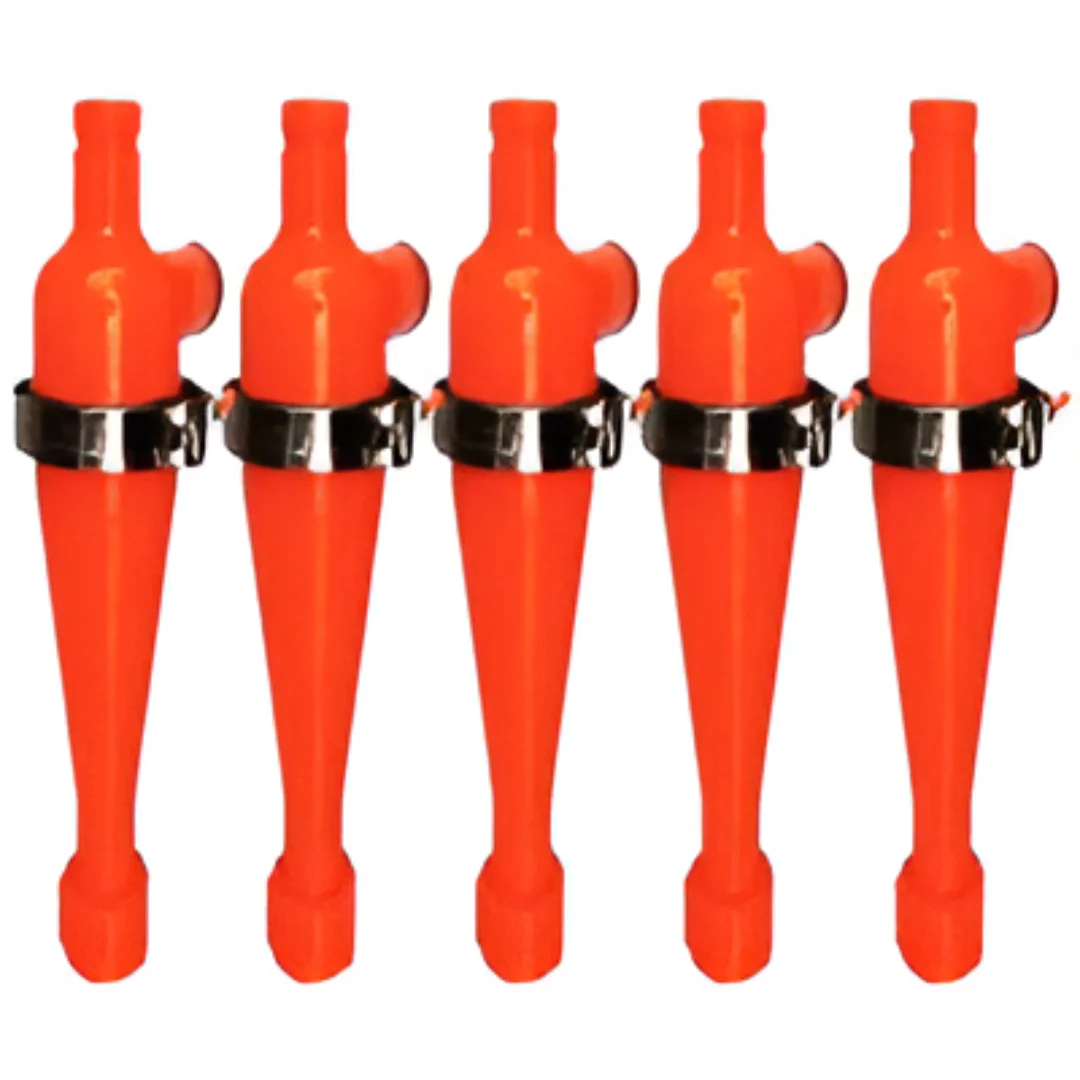
A desilter in solids control systems uses hydrocyclone technology to separate fine particles from drilling fluids. The drilling mud enters the cone at high velocity, creating centrifugal force. Heavier solids move outward toward the cone wall and exit through the underflow, while cleaned fluid flows upward and returns to the active mud system.
This efficient separation process ensures:
Consistent mud density
Controlled viscosity levels
Reduced abrasive wear
Improved drilling performance
When properly configured, an API compliant desilter maintains drilling fluids within strict operational specifications, protecting both equipment and investment.
Key Features of a High-Performance Desilter
Modern desilter in solids control systems are engineered for durability and efficiency. Leading manufacturers such as Petropath Fluids India Limited design desilters with:
Fine Solids Separation: Removes particles from 15–45 microns
High-Performance Cones: Polyurethane or ceramic-lined cones for abrasion resistance
Customizable Configurations: 8–20 cones to match flow requirements
Compact Modular Design: Easy integration into drilling fluids solids control systems
Low Maintenance Construction: Replaceable liners reduce downtime
API Compliance: Designed to meet international drilling standards
These features ensure reliable performance in demanding onshore and offshore operations.
Technical Specifications
A typical API compliant desilter offers:
Cone Diameter: 4″ standard (optional 5″ or 6″)
Operating Capacity: 50–60 GPM per cone
Particle Removal Range: 15–45 microns
Working Pressure: 0.25–0.4 MPa
Material: Abrasion-resistant polyurethane or ceramic lining
Number of Cones: 8–20
Total Flow Capacity: 500–1500 GPM
Connection Types: Flanged or threaded
These specifications allow the desilter in solids control systems to adapt to various rig sizes and operational demands.
7 Major Benefits of Using a Desilter in Solids Control Systems
Investing in a desilter in solids control systems delivers measurable operational and financial advantages:
1️⃣ Improved Mud Quality
Fine solids removal stabilizes drilling fluid properties and prevents contamination.
2️⃣ Extended Equipment Life
Reducing abrasive particles minimizes wear on pumps, motors, and drill bits.
3️⃣ Lower Mud Costs
Efficient solids separation reduces dilution requirements and fresh mud consumption.
4️⃣ Enhanced Drilling Efficiency
Optimized mud properties improve penetration rates and reduce drilling time.
5️⃣ Reduced Non-Productive Time
Effective solids control prevents operational disruptions caused by poor mud performance.
6️⃣ Environmental Sustainability
Lower waste volumes support eco-friendly drilling operations.
7️⃣ Operational Consistency
Maintains stable drilling parameters across changing geological conditions.
Applications of Desilter in Oil & Gas Operations
A desilter for oil and gas rigs is widely used in:
Onshore and offshore drilling rigs
Integrated drilling fluids solids control systems
Coal Bed Methane (CBM) wells
Geothermal drilling projects
Mud recycling and recovery systems
High-pressure, high-volume drilling operations
In all these environments, a desilter in solids control systems ensures optimal fluid performance and cost control.
Why Choosing the Right Desilter Matters
Selecting the right desilter in solids control systems directly impacts drilling performance and profitability. Poor solids control leads to increased mud treatment costs, frequent equipment replacement, and costly downtime.
An advanced oilfield desilter equipment solution ensures durability, precision separation, and long-term reliability. When integrated properly into drilling fluids solids control systems, it becomes a cornerstone of efficient drilling operations.
Conclusion
A desilter in solids control systems is not just an auxiliary component—it is a strategic investment in drilling efficiency, equipment protection, and cost optimization. By removing ultra-fine solids, it ensures cleaner drilling fluids, enhances wellbore stability, and reduces operational risks.
For operators seeking consistent performance and long-term value, integrating a high-quality, API compliant desilter into their drilling fluids solids control systems is essential. In today’s competitive oil and gas industry, effective solids control is the difference between operational setbacks and sustained success.