
🚀 Polyanionic Cellulose (Regular Grade): The Ultimate Filtration Control Additive for Drilling Fluids
In the fast-evolving oil and gas industry, drilling performance depends heavily on the quality of drilling fluids. One critical additive that plays a major role in optimizing these fluids is Polyanionic Cellulose (Regular Grade). Known for its excellent filtration control and rheology enhancement properties, this polymer has become a cornerstone in modern drilling operations.
Whether you’re dealing with complex formations or aiming to reduce operational risks, Polyanionic Cellulose (Regular Grade) ensures stability, efficiency, and cost-effectiveness. Its application in PAC R drilling fluid systems makes it indispensable for maintaining fluid integrity and improving wellbore conditions.
🔍 What is Polyanionic Cellulose (Regular Grade)?
Polyanionic Cellulose is a water-soluble polymer derived from natural cellulose and chemically modified to enhance its performance in drilling environments. It is widely used as a filtration control additive drilling fluid component to minimize fluid loss and protect formations.
In challenging drilling conditions, uncontrolled fluid invasion can lead to wellbore instability and increased costs. By integrating Polyanionic Cellulose into drilling mud systems, operators can achieve a controlled filtration process and improved operational outcomes.
⚙️ Key Functions in Drilling Fluids
The effectiveness of Polyanionic Cellulose lies in its multifunctional capabilities:
- Controls fluid loss in PAC R drilling fluid systems
- Forms a thin, low-permeability filter cake
- Enhances borehole stability in reactive formations
- Acts as a drilling mud viscosity modifier
- Reduces torque and drag during drilling operations
- Minimizes formation damage
These functions make Polyanionic Cellulose (Regular Grade) a reliable choice for improving drilling fluid performance across diverse geological conditions.
⚡ Working Principle
The working mechanism of Polyanionic Cellulose is based on advanced polymer interaction within the drilling fluid:
- Rapid dissolution in water-based systems
- Increase in viscosity and improved fluid structure
- Adsorption onto formation surfaces and fine solids
- Formation of a thin and flexible filter cake
- Reduction of filtrate invasion into formations
This process ensures that Polyanionic Cellulose effectively enhances lubrication, reduces friction, and supports wellbore integrity.
✅ Key Benefits
Using Polyanionic Cellulose offers several measurable benefits:
- Excellent filtration control in WBM additives PAC polymer systems
- Improved borehole stability and reduced collapse risks
- Enhanced rheology and viscosity control
- Lower torque and circulating pressure
- Reduced formation damage
- Smooth drilling operations with better lubrication
- Easy mixing and fast dispersion
These advantages contribute to increased drilling efficiency and reduced non-productive time.
📊 Typical Product Specifications
| Parameter | Specification |
|---|---|
| Product Name | PP – PAC-R |
| Chemical Type | Polyanionic Cellulose (Regular Grade) |
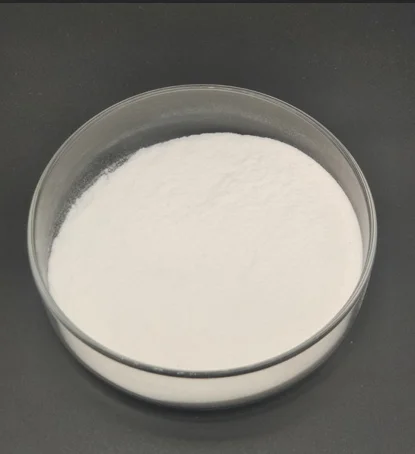
| Appearance | Off-white to cream powder |
| Solubility | Water-soluble |
| pH (1% Solution) | 6.0 – 8.5 |
| Moisture Content | ≤ 10% |
| Application | Filtration control additive |
🛠️ Applications in Oil & Gas Drilling
1. Filtration Control
Polyanionic Cellulose (Regular Grade) acts as a powerful filtration control additive drilling fluid, reducing fluid loss and maintaining well integrity.
2. Borehole Stability
It stabilizes shale and clay formations, making it an essential polymer for preventing collapse and ensuring safe drilling.
3. Rheology Modification
As a drilling mud viscosity modifier, it ensures consistent flow properties and better cuttings transport.
4. Torque & Drag Reduction
Its lubricating properties help reduce torque and drag, improving overall drilling efficiency.
5. Formation Protection
By minimizing filtrate invasion, Polyanionic Cellulose (Regular Grade) protects productive zones from damage.
🚀 Operational Advantages
✔ Improved Wellbore Integrity
Maintains stability in reactive formations using Polyanionic Cellulose.
✔ Enhanced Drilling Efficiency
Reduces torque, drag, and pressure losses.
✔ Consistent Mud Performance
Ensures stable rheology and filtration characteristics.
✔ Cost Reduction
Minimizes downtime and reduces operational expenses.
🔗 Compatibility
Polyanionic Cellulose is highly versatile and compatible with:
- Water-based drilling mud (WBM)
- Freshwater and saltwater systems
- Polymer drilling fluids
- Bentonite and clay-based mud systems
This flexibility makes it ideal for a wide range of drilling environments.
📦 Packaging Options
The product is available in multiple packaging formats:
- 25 kg multi-wall paper bags
- HDPE lined bags
- 1 MT jumbo bags
🏢 About Petropath Fluids Ltd.
Petropath Fluids Ltd. is a leading manufacturer of drilling fluid additives and oilfield specialty chemicals. With a strong presence in the oil and gas sector, the company delivers high-performance solutions tailored to modern drilling challenges.
Their expertise includes:
- Advanced drilling fluid additives
- Mud engineering solutions
- Oilfield specialty chemicals
- Laboratory testing equipment
📢 Final Thoughts
In today’s demanding drilling environments, choosing the right additive can significantly impact performance and cost efficiency. Polyanionic Cellulose stands out as a dependable solution for filtration control, rheology improvement, and wellbore stability.
By incorporating Polyanionic Cellulose (Regular Grade) into your drilling operations, you ensure better fluid performance, reduced risks, and enhanced overall efficiency.