
The Hydrometer in Drilling Fluid Testing is one of the most essential instruments used in modern drilling operations to maintain drilling efficiency, wellbore stability, and operational safety. In oilfield environments, accurate drilling fluid density measurement directly affects hydrostatic pressure, formation balance, and well control performance. Even a small variation in mud weight can create serious drilling complications, including formation damage, stuck pipe incidents, lost circulation, kicks, or blowouts.
Because of these critical operational factors, drilling engineers, mud technicians, and laboratory specialists depend heavily on reliable drilling fluid testing equipment. Among these tools, the Hydrometer in Drilling Fluid Testing remains a trusted solution for measuring drilling fluid density quickly and accurately.
Petropath Fluids Limited manufactures high-quality API-compliant hydrometers specifically designed for demanding drilling applications. These hydrometers provide dependable density measurements for water-based muds, oil-based muds, cement slurries, and other drilling fluids used across upstream energy operations worldwide.
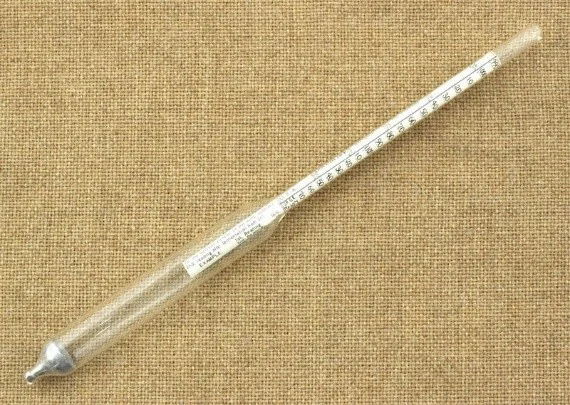
What Is Hydrometer in Drilling Fluid Testing?
A Hydrometer in Drilling Fluid Testing is a calibrated glass instrument designed to measure the density or specific gravity of drilling fluids. The device works using the principle of buoyancy. When placed inside a liquid sample, the hydrometer floats at a specific level based on the density of the fluid being tested.
The floating level is then compared against calibrated graduations on the stem, allowing users to determine precise density readings. This simple yet highly effective measurement process makes hydrometers a preferred tool for routine drilling mud density testing.
Unlike complex digital instruments, a drilling fluid hydrometer does not require electrical power or advanced calibration systems. Its simple construction ensures reliable operation in harsh drilling conditions, remote locations, and field laboratories.
The Hydrometer in Drilling Fluid Testing is commonly used alongside mud balances to cross-check mud weight readings and ensure testing accuracy throughout drilling operations.
Importance of Mud Density Measurement in Drilling Operations
Drilling fluid density plays a critical role in maintaining proper hydrostatic pressure inside the wellbore. If the drilling fluid density becomes too low, formation fluids may enter the wellbore and create dangerous kick situations. If the density becomes too high, it can damage formations and reduce drilling efficiency.
Using a reliable Hydrometer in Drilling Fluid Testing helps drilling teams maintain optimal mud properties throughout the drilling process.
Key reasons why accurate mud density measurement matters include:
- Maintaining wellbore stability
- Preventing blowouts and kicks
- Reducing formation damage
- Improving drilling efficiency
- Enhancing pressure control
- Supporting safe drilling operations
- Ensuring proper cementing performance
This is why the Hydrometer in Drilling Fluid Testing remains an essential part of drilling fluid quality control programs globally.
Key Features of Petropath Hydrometer
Petropath Fluids Limited designs and manufactures premium-quality hydrometers for demanding oilfield applications. Every Hydrometer in Drilling Fluid Testing is built for durability, precision, and reliable field performance.
API Standardized Design
Manufactured according to API RP 13B-1 and API RP 13B-2 standards for accurate drilling fluid testing.
Durable Borosilicate Glass Construction
High-strength borosilicate glass provides excellent resistance to chemicals, temperature variations, and harsh drilling environments.
Clear and Accurate Graduations
Acid-resistant scales ensure easy readability and long-lasting measurement accuracy.
Wide Density Measurement Range
Suitable for measuring multiple drilling fluid systems, including water-based and oil-based muds.
Lightweight and Portable
The compact design allows easy transportation for rig-site and laboratory testing applications.
Low Maintenance Design
The simple structure requires minimal maintenance while delivering dependable long-term performance.
These features make Petropath’s Hydrometer in Drilling Fluid Testing a reliable solution for drilling engineers and mud laboratories worldwide.
Technical Specifications
The technical performance of a Hydrometer in Drilling Fluid Testing directly affects the accuracy of mud density evaluation. Petropath hydrometers are manufactured with strict quality standards to ensure consistent measurement precision.
Specifications
- Measurement Range: 0.95 – 2.50 g/cm³
- Graduation Interval: 0.01 g/cm³
- Accuracy: ±0.001 g/cm³
- Material: Borosilicate glass with ballast
- Length: 250 – 300 mm
- Temperature Range: 0°C – 60°C
- Compliance: API RP 13B-1 & API RP 13B-2
Every API hydrometer for drilling fluids undergoes rigorous quality inspection before delivery to ensure reliable testing performance.
Benefits of Using Hydrometer in Drilling Fluid Testing
Using a professional Hydrometer in Drilling Fluid Testing offers multiple operational and technical advantages for drilling operations.
Precise Mud Weight Measurement
Accurate density readings help maintain the desired hydrostatic balance inside the wellbore.
Improved Well Control
Proper mud density reduces the risk of formation fluid influx and blowout situations.
Enhanced Drilling Safety
Reliable drilling fluid monitoring supports safer drilling operations under challenging conditions.
Better Quality Control
Routine density testing ensures drilling fluids consistently meet operational specifications.
Easy Operation
The simple testing procedure allows rapid field analysis with minimal operator training.
Versatile Fluid Compatibility
Suitable for water-based muds, oil-based muds, synthetic drilling fluids, and cement slurries.
Cost-Effective Testing Solution
Hydrometers provide dependable results without requiring expensive electronic systems.
Applications in the Oil & Gas Industry
The Hydrometer in Drilling Fluid Testing is widely used across multiple sectors of the oil and gas industry.
Mud Laboratories
Used for routine drilling mud density verification and quality control analysis.
Drilling Rigs
Supports real-time drilling fluid monitoring during active drilling operations.
Cementing Operations
Helps evaluate cement slurry density for proper cement placement and zonal isolation.
Petroleum Engineering Institutes
Commonly used in drilling fluid training and laboratory demonstrations.
Research and Development Facilities
Supports drilling fluid formulation testing and performance evaluation.
Why Choose Petropath Fluids Limited?
Petropath Fluids Limited is recognized for delivering high-quality drilling fluid testing equipment designed for precision and long-term performance.
API-Compliant Manufacturing
All testing equipment is manufactured according to international drilling industry standards.
Precision Engineering
Strict quality control processes ensure accurate and repeatable measurement performance.
Durable Materials
Premium borosilicate glass construction increases operational reliability.
Global Industry Trust
Petropath products are trusted by drilling professionals, laboratories, and service companies worldwide.
Technical Support
Expert support and after-sales assistance help customers maintain efficient testing operations.
Conclusion
The Hydrometer in Drilling Fluid Testing remains one of the most reliable and essential tools for accurate drilling mud density evaluation. Its ability to provide quick, precise, and dependable measurements makes it indispensable for maintaining wellbore stability, drilling efficiency, and operational safety.
From drilling rigs and mud laboratories to cementing operations and research facilities, the drilling fluid hydrometer continues to support critical oilfield activities across global energy markets.
By choosing API-compliant solutions from Petropath Fluids Limited, drilling professionals gain access to high-performance equipment engineered for precision, durability, and dependable field performance.