
Gas Stick for Oil and Gas: 7 Smart Benefits for Gas Well Production
Introduction
Gas Stick for Oil and Gas is an effective chemical solution designed to help manage liquid accumulation and improve production performance in natural gas wells. As gas wells mature, declining reservoir pressure can make it increasingly difficult for produced water and condensate to reach the surface. This condition, known as liquid loading, can restrict gas flow and reduce overall well productivity.
For operators dealing with mature, low-pressure, or marginal gas wells, efficient liquid unloading is essential for maintaining production. Gas well foam sticks provide a practical approach by generating foam within the wellbore. The foam reduces the effective density of accumulated liquids, allowing available gas pressure to assist in carrying those liquids toward the surface.
This makes chemical foam treatment a useful option for production optimization where conventional liquid unloading methods may be expensive, complex, or unsuitable.

What Is a Gas Stick for Oil and Gas?
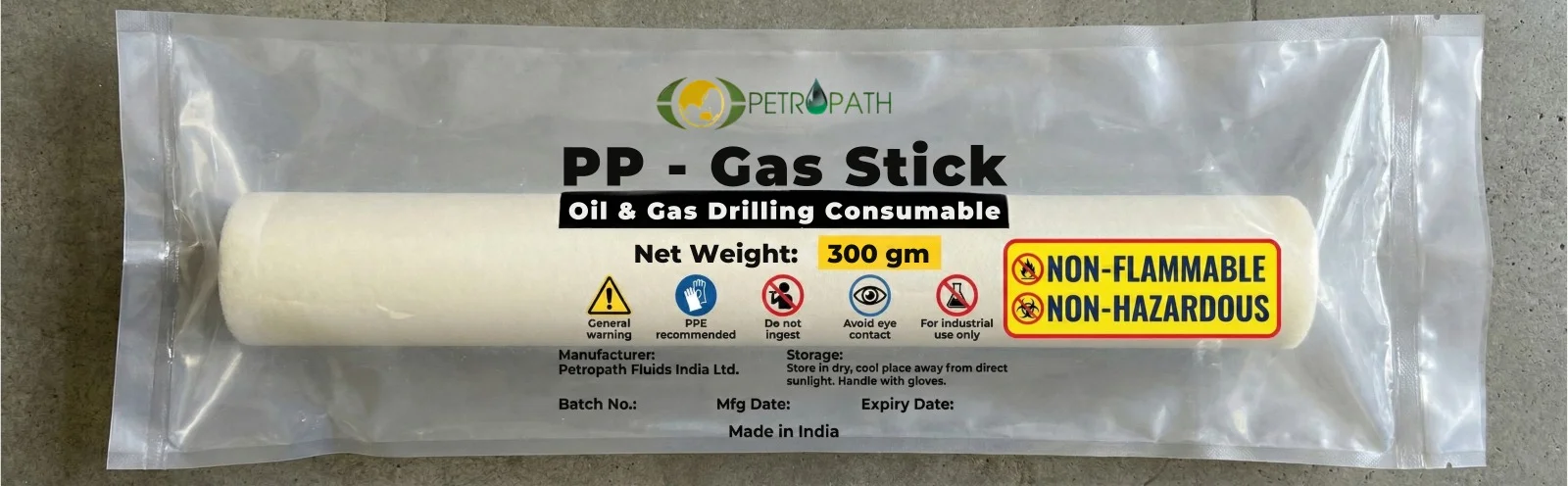
A Gas Stick for Oil and Gas is a solid cylindrical chemical formulation developed to assist with liquid unloading in gas wells. It typically contains surfactants, foaming agents, and other performance-enhancing chemicals selected according to the expected well conditions.
After deployment into the tubing, the stick gradually dissolves when it comes into contact with water, condensate, or other compatible well fluids. The active chemicals then promote foam formation inside the tubing.
The resulting foam can reduce surface tension and lower the effective density of the liquid column. This helps the gas stream transport accumulated fluids toward the surface, supporting improved well flow.
Because the treatment is relatively simple to deploy, gas well foam sticks can be considered for wells experiencing recurring liquid loading problems.
Why Liquid Loading Occurs in Gas Wells
Liquid loading occurs when the gas velocity inside a well becomes insufficient to carry produced liquids to the surface. As liquids accumulate, the hydrostatic pressure of the liquid column increases. This creates additional backpressure against the reservoir and can progressively restrict gas production.
Common causes include:
- Declining reservoir pressure
- Increasing water production
- Condensate accumulation
- Reduced gas velocity
- Changes in well operating conditions
- Aging or mature producing formations
If liquid accumulation continues unchecked, production can decline significantly and, in severe cases, the well may eventually stop flowing naturally.
For this reason, managing liquid loading in gas wells is an important part of maintaining stable production.
How Gas Stick for Oil and Gas Works
The working principle is based on foam-assisted liquid unloading. Once the chemical stick enters the well tubing and contacts compatible fluids, its active ingredients begin dissolving.
The general process involves:
- The stick dissolves in water or hydrocarbon-containing well fluids.
- Foaming agents interact with the available liquid phase.
- Foam bubbles develop within the tubing.
- The foam reduces the effective density and surface tension of the liquid column.
- Gas pressure assists in moving the foamed liquid toward the surface.
By reducing the resistance created by accumulated fluids, the treatment can help restore gas movement through the well.
The exact treatment rate and deployment frequency should be determined according to well conditions, fluid characteristics, production performance, and the chemical manufacturer’s recommendations.
7 Key Benefits of Gas Stick for Oil and Gas
1. Simple Deployment
One of the main advantages is straightforward application. Depending on the well design and operating procedure, the chemical stick can be introduced into the tubing without installing a large mechanical unloading system.
2. Efficient Liquid Unloading
Foam-assisted treatment can help remove accumulated water and condensate, making it useful for gas well liquid unloading applications.
3. Improved Gas Flow
Reducing the liquid column can lower the pressure restriction affecting the well. This may help restore gas movement and support more consistent production.
4. Cost-Effective Treatment
Chemical unloading can provide an economical alternative or supplement to certain mechanical liquid removal systems, particularly where operators need a flexible treatment for mature wells.
5. Reduced Production Interruptions
Liquid loading can contribute to unstable production and operational interruptions. Regular monitoring and appropriate chemical treatment can help operators manage recurring liquid accumulation.
6. Suitable for Mature and Low-Pressure Wells
As reservoir pressure declines, wells may increasingly struggle to lift liquids naturally. Foam-based chemical solutions can be considered as part of a broader production strategy for these conditions.
7. Practical Production Optimization
By addressing liquid accumulation, operators can work toward maintaining better well performance and extending productive operating periods where the treatment is technically suitable.
Applications of Gas Well Foam Sticks
Gas well foam sticks can be used in several production situations where liquid accumulation affects well performance.
Typical applications include:
- Liquid unloading in natural gas wells
- Water removal from producing wells
- Condensate unloading
- Mature and marginal gas well production
- Low-pressure gas well operations
- Foam-assisted gas lifting
- Production restoration following liquid loading
Treatment selection should always consider the well’s fluid chemistry, temperature, pressure, tubing configuration, and production characteristics.
Why Chemical Liquid Unloading Matters
As gas wells mature, maintaining production often requires operators to adapt their unloading strategy. Mechanical systems can be highly effective, but they may involve additional equipment, installation requirements, maintenance, and operating costs.
Chemical treatment offers another tool within the production engineer’s toolkit. A properly selected foam-forming chemical can help reduce the impact of liquid accumulation without requiring a major modification to the well.
This is particularly relevant for operators managing multiple wells where simple and repeatable treatment programs can improve operational flexibility.
Petropath Fluids Ltd: Oilfield Chemical Solutions
Petropath Fluids Ltd develops and supplies chemical solutions for oil and gas operations, supporting drilling, completion, and production requirements.
Its approach to Gas Stick for Oil and Gas focuses on providing a practical chemical option for wells affected by liquid loading. Product selection and treatment programs can be evaluated according to individual well conditions to support reliable application and production objectives.
For operators, the goal is not simply to remove accumulated liquid but to develop an appropriate unloading strategy that supports production stability, operational efficiency, and long-term well performance.
A gas stick (or foam stick) is primarily used for liquid unloading in gas wells. Over time, water and condensates gather in the wellbore, creating a hydrostatic block that suppresses gas flow. The stick dissolves in these liquids, generating foam that lightens the fluid column so the reservoir pressure can push the liquids out.
Operators deploy gas sticks when mature or marginal gas wells experience declining production or show signs of “liquid loading”. If the well has stopped producing altogether due to water seepage, operators use specialized gas-generating sticks (like the SWAB STIK) to provide the initial agitation and pressure needed to revive the well.
The application process is straightforward and typically doesn’t require specialized service rigs. The solid stick is dropped directly into the wellhead lubricator and falls down the production tubing. Once it reaches the bottom of the well, it dissolves and reacts with the fluids.
Gas sticks are a highly cost-effective alternative to expensive mechanical interventions like swab units, continuous gas lifting, or coiled tubing. They provide an economical, continuous treatment that minimizes operational downtime without requiring heavy machinery.
Yes, formulations vary based on specific downhole conditions. There are specialized sticks for high-brine and high-calcium environments, as well as formulations designed to also target scale, corrosion, or paraffin buildup.
Conclusion
Gas Stick for Oil and Gas provides a practical chemical approach to managing liquid loading in natural gas wells. By promoting foam formation within the wellbore, the treatment can reduce the effective density of accumulated liquids and help gas pressure transport fluids toward the surface.
Its simple deployment, liquid unloading capability, potential cost advantages, and suitability for selected mature and low-pressure wells make chemical foam treatment an important option for modern production operations.
For operators facing recurring water or condensate accumulation, evaluating gas well foam sticks alongside other unloading methods can help identify an appropriate strategy for maintaining gas flow and optimizing well performance.
✅ Final Call to Action
Optimize your well performance with Gas Stick for Oil and Gas Operations from Petropath Fluids Ltd. This advanced liquid unloading solution helps restore gas flow, improve productivity, and reduce operational costs.
Contact our experts today to discover how Gas Stick for Oil and Gas Operations can enhance your gas well efficiency and production reliability.