
Hamilton Beach Mixer: 7 Powerful Benefits for Drilling Fluid Testing
Introduction
In oil and gas operations, accurate drilling fluid testing is essential for maintaining wellbore stability, controlling fluid properties, and supporting efficient drilling performance. The Hamilton Beach Mixer is a laboratory mixing solution designed to provide consistent and controlled preparation of drilling fluid samples before testing.
Proper mixing plays an important role in obtaining dependable laboratory results. When drilling fluids, additives, polymers, or chemical treatments are not mixed uniformly, test results can vary and may not accurately represent the actual fluid condition. A reliable laboratory mixer helps create consistent samples, supporting more dependable evaluation of drilling fluid properties.
For mud laboratories, oilfield service companies, research facilities, and drilling operations, the Hamilton Beach Mixer can therefore serve as an important part of professional drilling fluid laboratory equipment.
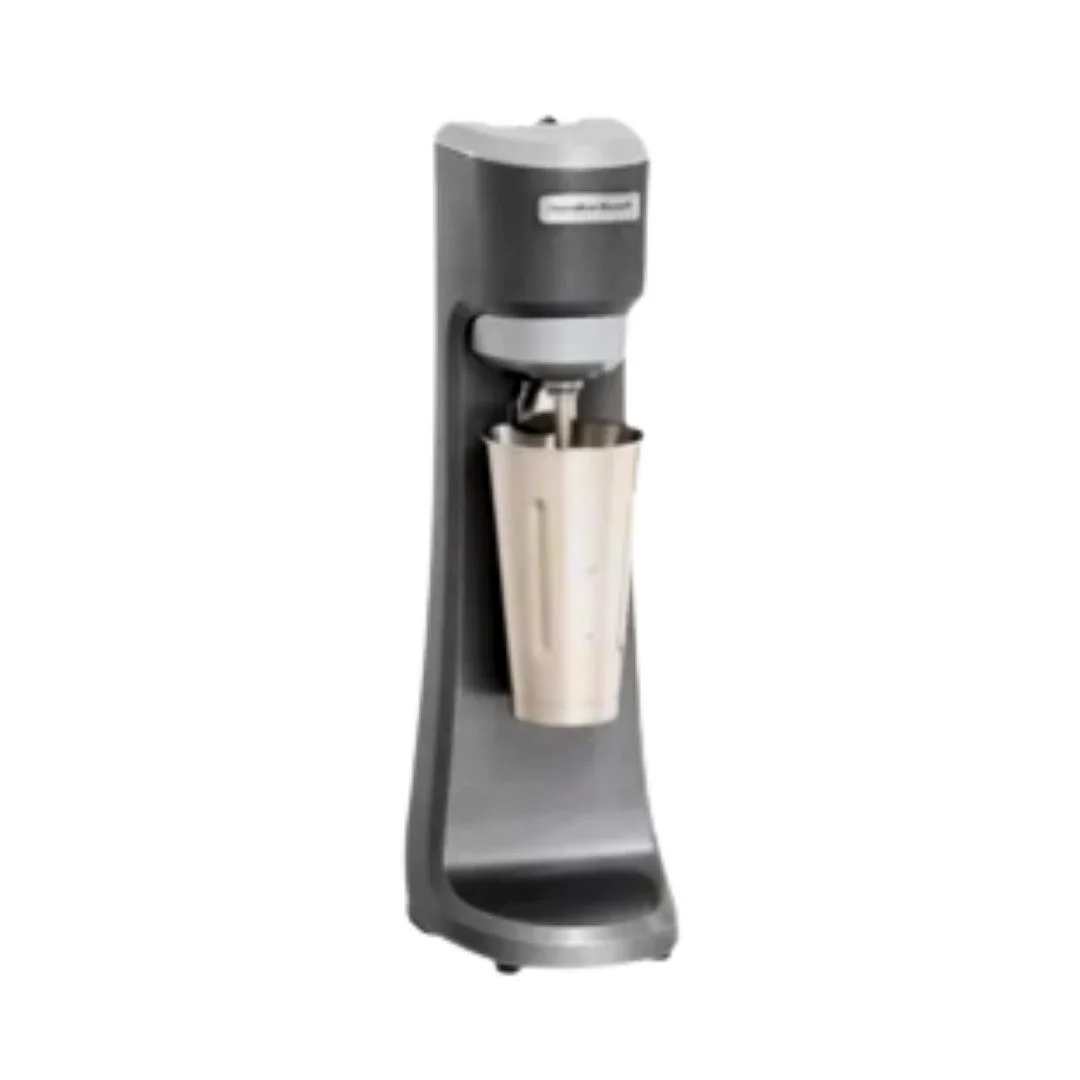
What Is a Hamilton Beach Mixer?
A Hamilton Beach Mixer is a laboratory mixer used for preparing and conditioning drilling fluid samples before various testing procedures. In drilling fluid laboratories, controlled mixing helps distribute solids, polymers, additives, and other components throughout the sample.
Consistent sample preparation is particularly important when evaluating properties such as viscosity, gel strength, density, filtration behavior, and other characteristics of drilling fluids.
As part of a complete mud laboratory equipment setup, the mixer supports repeatable sample preparation and helps laboratory personnel maintain consistency between different tests.
7 Powerful Benefits of Using a Hamilton Beach Mixer
1. Consistent Drilling Fluid Mixing
One of the primary advantages of a Hamilton Beach Mixer is its ability to provide consistent mixing during sample preparation. Uniform mixing helps distribute drilling fluid components more evenly, reducing variations caused by inadequate blending.
This is especially important when testing fluids containing polymers, weighting materials, chemical additives, or other components that require thorough dispersion.
2. Improved Testing Accuracy
Laboratory results are strongly influenced by sample preparation. A properly mixed sample provides a more representative basis for testing drilling fluid properties.
Using a Hamilton Beach Mixer can support consistent preparation before evaluating viscosity, gel strength, yield point, density, and other fluid characteristics. More consistent samples can contribute to more reliable laboratory data and better technical decisions.
3. Suitable for Different Drilling Fluid Systems
Drilling operations use different fluid systems depending on formation conditions and operational requirements. A versatile drilling fluid testing mixer can be used during the preparation of various laboratory samples.
Applications may include:
- Water-based drilling fluids
- Oil-based and synthetic-based muds
- Brines and completion fluids
- Polymer solutions
- Chemical treatment samples
- Specialty drilling fluid formulations
The appropriate mixing procedure should always follow the applicable laboratory testing method and equipment specifications.
4. Efficient Sample Preparation
Laboratory efficiency matters when multiple drilling fluid samples must be evaluated during drilling operations. A reliable mixer can help reduce the time required for routine sample preparation while maintaining a repeatable mixing process.
For busy mud laboratories and field-based testing environments, efficient preparation allows technicians and engineers to process samples systematically and focus on analysis and quality control.
5. Reliable Laboratory Performance
Oilfield laboratories require equipment that can support regular testing activities. A properly selected Hamilton Beach Mixer can become a dependable component of a drilling fluid laboratory equipment setup.
Its role is not simply to mix samples. Consistent conditioning helps laboratories establish repeatable preparation practices, which are important for quality control and comparative testing.
6. Supports Research and Formulation Work
Beyond routine mud testing, laboratory mixers are useful during drilling fluid research and formulation development. Engineers may need to evaluate how different additives, polymers, weighting agents, or chemical treatments influence fluid performance.
A Hamilton Beach Mixer can support controlled sample preparation during product evaluation, formulation studies, and laboratory-scale testing.
This makes the mixer relevant not only to drilling sites but also to oilfield R&D centers, technical laboratories, and petroleum engineering institutions.
7. Valuable for Oilfield Quality Control
Quality control is an important part of drilling fluid management. Consistent preparation helps technicians compare samples and monitor changes in fluid properties during drilling and treatment programs.
When integrated with other mud laboratory equipment, a reliable mixer contributes to a structured testing workflow. This can help engineers identify changes in drilling fluid behavior and determine whether adjustments to the fluid program are required.
Applications of Hamilton Beach Mixer
The Hamilton Beach Mixer can be useful across several laboratory and oilfield environments, including:
- Drilling fluid testing laboratories
- Oilfield service company laboratories
- Petroleum engineering research centers
- Drilling fluid formulation facilities
- University petroleum laboratories
- Field and mobile mud laboratories
- Quality control testing facilities
Its primary purpose is sample preparation and conditioning, making it a supporting instrument for a broader range of drilling fluid testing procedures.
Why Consistent Mixing Matters in Drilling Fluid Testing
Drilling fluids are carefully formulated systems containing multiple components. Solids, polymers, chemicals, and other additives can influence fluid behavior differently depending on concentration, dispersion, hydration, and mixing conditions.
For this reason, inconsistent preparation can introduce variability into laboratory results. Using a standardized mixing procedure with suitable drilling fluid laboratory equipment helps technicians prepare samples more consistently.
The objective is not simply faster mixing. The goal is to produce a repeatable sample that can be evaluated using the appropriate testing procedure.
Why Choose Petropath Fluids Limited?
Petropath Fluids Limited provides drilling fluid testing instruments and oilfield laboratory solutions for professional testing environments. With extensive experience in the oilfield sector, the company supports customers requiring reliable equipment for drilling fluid evaluation and laboratory operations.
When selecting a Hamilton Beach Mixer, customers can benefit from:
- Oilfield-focused technical expertise
- A range of drilling fluid testing instruments
- Laboratory equipment solutions
- Technical support
- Domestic and international supply capabilities
- Equipment suitable for professional testing environments
Choosing appropriate laboratory equipment helps establish a more consistent testing workflow and supports reliable drilling fluid analysis.
FAQs – Hamilton Beach Mixer by Petropath
Conclusion
The Hamilton Beach Mixer is an important laboratory solution for consistent drilling fluid sample preparation. By supporting uniform mixing and repeatable conditioning, it can contribute to more dependable testing of drilling fluid properties and chemical treatments.
From mud laboratories and oilfield R&D facilities to quality control centers and petroleum engineering institutions, reliable mixing equipment supports the broader objective of obtaining consistent laboratory data.
For organizations looking to strengthen their drilling fluid testing capabilities, selecting dependable mud laboratory equipment is an important step toward better sample preparation, efficient laboratory workflows, and improved quality control.
Petropath Fluids Limited offers oilfield laboratory solutions designed to support professional drilling fluid testing and evaluation requirements.