
Mobile Effluent Treatment Plant with RO for Smarter Oil & Gas Water Management
Introduction
Water is a critical resource across the oil and gas industry, but drilling, production, well completion, enhanced oil recovery, and refining operations can generate significant volumes of complex wastewater. This effluent may contain hydrocarbons, suspended solids, dissolved salts, high Total Dissolved Solids (TDS), and other contaminants that require effective treatment before reuse or discharge.
A Mobile Effluent Treatment Plant with RO provides a flexible approach to managing this wastewater directly at the operational site. By combining effluent treatment processes with Industrial Reverse Osmosis (RO) technology, mobile systems can help operators improve water quality, reduce freshwater consumption, and support responsible wastewater management.
Petropath Fluids Pvt. Ltd. provides oilfield water management solutions designed to address the demanding requirements of drilling and production environments, including locations where permanent treatment infrastructure may not be practical.
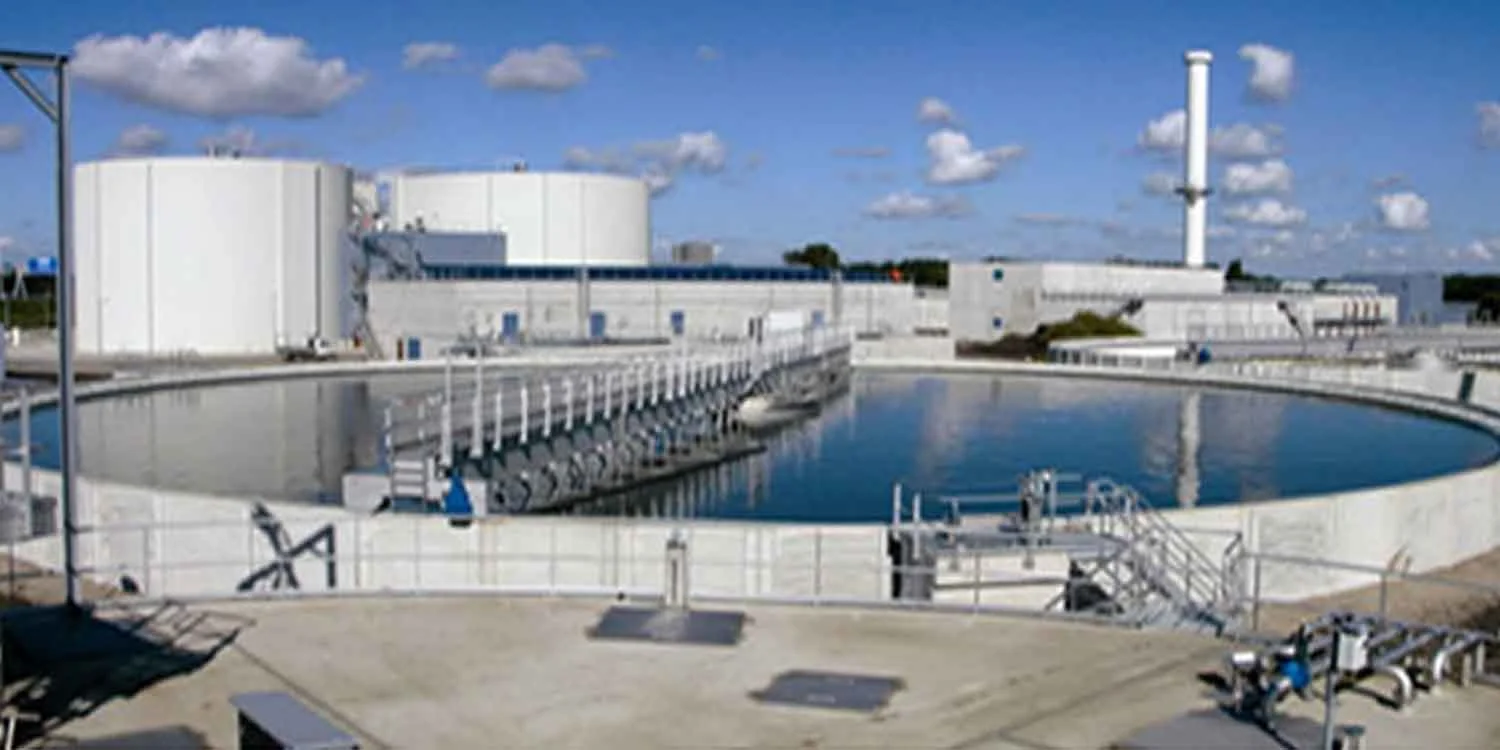
Why Oil & Gas Operations Need Advanced Effluent Treatment
Oilfield wastewater can vary significantly depending on the formation, drilling fluid system, production process, and operational conditions. Produced water, for example, can contain oil, suspended particles, salts, and dissolved contaminants.
Simply disposing of this wastewater can increase transportation, treatment, and environmental management costs. An effective treatment strategy instead focuses on contaminant removal, water recovery, reuse, and responsible disposal of concentrated waste streams.
A Mobile Effluent Treatment Plant with RO can support these objectives by bringing treatment capability closer to the source of wastewater generation.
Key advantages include:
On-site wastewater treatment
Reduced freshwater dependency
Improved water recovery and reuse
Lower transportation and disposal requirements
Flexible deployment between locations
Better control over water quality
1. Efficient Produced Water Treatment and Reuse
Produced water is one of the largest wastewater streams associated with oil and gas production. Depending on its characteristics, it may require multiple treatment stages before the water can be reused.
A Produced Water Treatment System can incorporate processes such as oil separation, filtration, solids removal, and membrane treatment to improve water quality.
When integrated with RO, the treatment process can reduce dissolved salts and TDS, producing higher-quality permeate suitable for selected operational applications. Depending on the treated-water quality and project requirements, recovered water may support drilling activities, utility requirements, injection-related applications, or other approved reuse purposes.
This approach can help operators conserve freshwater while improving overall water-management efficiency.
2. Industrial RO Water Treatment for High-TDS Wastewater
High TDS is a common challenge in several oilfield water streams, particularly where saline formation water or salt-based drilling fluid systems are involved.
Industrial RO Water Treatment uses pressure-driven membrane separation to remove a substantial portion of dissolved salts and other dissolved constituents from treated wastewater. The result is a permeate stream with significantly improved water quality and a concentrated reject stream requiring appropriate management.
A Mobile Effluent Treatment Plant with RO can therefore provide an important polishing stage after conventional treatment processes.
Potential benefits include:
Significant reduction of dissolved salts and TDS
Improved treated-water quality
Better suitability for selected reuse applications
Reduced impact on downstream equipment
Flexible treatment capacity at field locations
The actual recovery rate and water quality depend on feed-water characteristics, pretreatment, membrane selection, operating pressure, and project-specific requirements.
3. Flexible Mobile ETP for Oil and Gas Sites
Permanent ETP infrastructure can require substantial civil construction, installation time, and capital investment. These requirements may not be suitable for temporary drilling campaigns, exploration projects, remote locations, or operations where treatment requirements change between sites.
A Mobile ETP for Oil and Gas provides greater deployment flexibility. Treatment equipment can be designed for transportation, rapid installation, commissioning, and relocation as operational requirements change.
This makes mobile treatment particularly useful for:
Drilling and exploration sites
Production facilities
Remote oilfield locations
Temporary projects
Multi-well development programs
Sites with limited wastewater infrastructure
A Mobile Effluent Treatment Plant with RO can help operators establish treatment capacity without depending entirely on a fixed centralized facility.
4. Supporting Water Quality for Oilfield Operations
Water quality is important in applications such as drilling, equipment washing, utilities, and certain water-injection processes. Poor-quality water may contribute to scaling, fouling, corrosion, or formation-related problems when used in unsuitable applications.
An integrated treatment system can help improve water quality before reuse. Depending on the intended application, operators can establish appropriate treatment targets for parameters such as TDS, suspended solids, oil and grease, and other contaminants.
For injection-related applications, water quality requirements should always be determined according to reservoir conditions, compatibility requirements, and the applicable engineering specifications.
5. Sustainable Oilfield Wastewater Treatment
Water reuse is becoming increasingly important as oil and gas companies seek to reduce freshwater consumption and improve environmental performance.
Oilfield Wastewater Treatment is not limited to removing visible contaminants. A complete water-management strategy considers the entire wastewater cycle—from collection and pretreatment to recovery, reuse, concentrate management, and final disposal.
A Mobile Effluent Treatment Plant with RO can contribute to this strategy by enabling treatment closer to the point where wastewater is generated.
Its sustainability advantages may include:
Reduced freshwater consumption
Greater potential for treated-water reuse
Reduced wastewater transportation
Lower dependence on external treatment facilities
Improved resource efficiency
Better support for environmental objectives
6. Suitable for Remote and Challenging Locations
Oil and gas projects frequently operate in areas where access to centralized wastewater infrastructure is limited. Transporting large volumes of wastewater over long distances can increase operational complexity and cost.
Mobile treatment systems provide an alternative by bringing treatment equipment directly to the project location. Properly engineered systems can be configured for demanding field conditions and designed around available utilities, wastewater characteristics, required capacity, and treatment objectives.
This flexibility makes mobile ETP technology valuable for remote onshore operations and other locations where conventional fixed infrastructure may be difficult to establish.
Why Choose Petropath for Oilfield Water Management?
Petropath Fluids Pvt. Ltd. combines oilfield knowledge with wastewater and water-treatment capabilities to develop practical solutions for demanding operational environments.
The company’s strengths include:
Oilfield and wastewater-treatment experience
Customized treatment approaches
Industrial RO integration
Produced-water treatment capabilities
Mobile treatment solutions
Technical support for field applications
Petropath has worked with established organizations in the oil and gas sector, including ONGC, Cairn India, and Essar Oil, supporting its experience in industrial and oilfield applications.
An Effluent Treatment Plant (ETP) is an industrial system designed to purify contaminated wastewater so it can be safely discharged into the environment or reused. It removes toxic chemicals, heavy metals, organic matter, and oils to prevent water pollution.
Reverse osmosis (RO) systems reject water to clean themselves. The system forces water through a microscopic membrane. To prevent the leftover concentrated minerals and contaminants from clogging the filter, the system continuously flushes them away as wastewater.
Conclusion
Effective wastewater management is becoming an increasingly important part of modern oil and gas operations. A Mobile Effluent Treatment Plant with RO can help operators address wastewater treatment, TDS reduction, water recovery, and reuse requirements while providing the flexibility needed for changing field conditions.
By combining mobile deployment with advanced membrane treatment, operators can move toward more efficient water management without relying exclusively on permanent treatment infrastructure.
For oil and gas companies seeking practical solutions for produced water, high-TDS wastewater, and field-based water reuse, Petropath Fluids Pvt. Ltd. offers treatment solutions designed around operational requirements, environmental objectives, and water-quality goals.
We provide worldwide delivery, custom configurations, and technical support tailored to your operational needs.