
Pan Balance: Essential Weighing Equipment for Mud Laboratories
Introduction
Accurate weight measurement is essential in the oil and gas industry, particularly when preparing drilling fluids, testing mud samples, and maintaining laboratory quality control. Even small variations in the quantity of drilling fluid additives can influence fluid properties and affect the consistency of laboratory results. A reliable Pan Balance helps laboratory professionals measure materials carefully and maintain consistency during routine testing.
Petropath Fluids Limited provides oilfield laboratory equipment designed to support drilling fluid testing and related laboratory applications. A Pan Balance is a useful weighing instrument for mud laboratories, educational institutions, and oilfield testing facilities that require dependable comparative mass measurements.
Whether measuring drilling fluid additives or conducting laboratory experiments, selecting appropriate weighing equipment helps improve testing procedures and supports efficient mud laboratory operations.
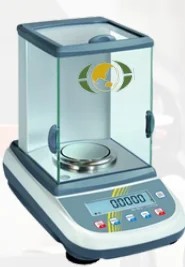
What Is a Pan Balance?
A Pan Balance is a weighing instrument used to determine the mass of an object by comparing it with a known mass or reference weight. Traditional two-pan designs use a balance beam and two suspended pans to compare the masses placed on either side.
In oilfield laboratories, this instrument can support the measurement of drilling fluid ingredients, solid materials, and laboratory samples. Its straightforward mechanical design makes it useful for practical demonstrations, routine weighing tasks, and comparative measurements.
When selecting a Pan Balance, laboratories should consider the instrument’s capacity, sensitivity, construction, calibration requirements, and suitability for the intended testing procedure. These factors help users choose equipment that meets their operational needs.
Key Features of Pan Balance Equipment
1. Reliable Comparative Measurement
A two-pan configuration allows users to compare the mass of a sample against a known reference mass. This approach is useful for laboratory exercises, material preparation, and routine weighing procedures where comparative measurements are appropriate.
2. Durable Construction
Laboratory equipment should withstand regular handling and cleaning. A well-constructed balance can support repeated use in demanding work environments. Users should check the construction materials and maintenance instructions to ensure compatibility with their laboratory conditions.
3. Simple Operation
Mechanical balances generally have a straightforward operating principle. With appropriate training and correct handling, laboratory personnel can perform comparative weighing procedures without relying on complicated electronic interfaces.
4. Compact and Practical Design
A compact instrument can be convenient for laboratories with limited workspace. Depending on its design and specifications, it may also be suitable for use in field testing facilities where a stable working surface is available.
5. Consistent Weighing Procedures
Proper placement of samples, suitable reference weights, routine inspection, and correct calibration procedures contribute to dependable measurements. These practices help laboratories maintain consistency across repeated weighing tasks.
Applications of Pan Balance in Mud Laboratories
A Pan Balance can support several weighing-related activities in oilfield and educational environments.
Drilling Fluid Preparation
Drilling fluid formulations may contain materials such as bentonite, barite, and other additives. Accurate measurement of ingredients is important when preparing laboratory samples and following established testing procedures. The balance must have sufficient capacity and suitable sensitivity for the materials being weighed.
Mud Laboratory Testing
Mud laboratories conduct routine checks to evaluate drilling fluid properties and maintain consistency during drilling operations. A balance can assist with sample preparation and other comparative weighing tasks where its specifications meet the test requirements.
Oilfield Field Laboratories
Field laboratories often require practical equipment for on-site testing and sample preparation. A suitable balance can support these activities when it is operated on a stable surface and protected from vibration, wind, and other environmental disturbances.
Educational and Training Institutions
Petroleum engineering colleges and drilling fluid training centres can use mechanical balances to demonstrate mass comparison and basic laboratory measurement principles. These activities help students understand weighing techniques before working with more specialized oilfield testing instruments.
Research and Development
Research teams may use balances during material preparation and experimental work. The instrument selected should match the accuracy, repeatability, and measurement requirements of the particular experiment.
Benefits of Using a Pan Balance for Mud Laboratory Operations
Improved Measurement Control
Consistent weighing procedures help laboratory staff prepare samples and materials more systematically. Appropriate equipment can reduce avoidable measurement errors when used correctly.
Efficient Laboratory Workflows
A straightforward weighing process can help operators complete routine tasks without unnecessary complexity. Standardized procedures also make it easier to train personnel and repeat laboratory activities.
Practical Maintenance
Mechanical instruments may have relatively simple operating mechanisms, although maintenance requirements depend on the specific model. Regular inspection, careful handling, and appropriate storage help preserve performance.
Better Quality Control Practices
Accurate weighing is one component of a broader laboratory quality management process. When combined with suitable testing methods, calibration practices, and documented procedures, it supports more reliable laboratory work.
How to Choose the Right Pan Balance
Before purchasing a Pan Balance, consider the following factors:
Capacity: Confirm that the instrument can accommodate the expected sample masses.
Sensitivity: Select a balance appropriate for the precision required by your testing procedure.
Construction: Check the materials, stability, and suitability of the instrument for the working environment.
Calibration: Review the manufacturer’s instructions for calibration, verification, and routine checks.
Ease of use: Consider the needs of laboratory technicians, trainees, and other operators.
Application suitability: Verify whether the instrument meets the requirements of the relevant laboratory method.
It is also important to distinguish a comparative mechanical balance from specialized instruments used for drilling fluid density, mud weight, or other standardized measurements. The correct instrument depends on the intended test and its applicable procedure.
Why Choose Petropath Fluids Limited?
Petropath Fluids Limited serves the oil and gas sector with drilling fluid solutions, mud chemicals, and laboratory equipment. Its product portfolio supports laboratories and oilfield professionals involved in drilling fluid preparation, testing, and related operations.
When sourcing a Pan Balance or other mud laboratory equipment, customers should evaluate product specifications, intended applications, technical documentation, and after-sales assistance before making a purchase.
Petropath’s experience in the oilfield sector provides a relevant starting point for organizations seeking equipment for their drilling fluid laboratory requirements. Contact the company to confirm the available model, weighing capacity, technical specifications, and suitability for your application.
The Pan Balance is designed to handle standard mud laboratory sample weights. Specific capacity details can be provided upon request.
Yes, its portable and rugged design makes it suitable for both laboratory and on-site oilfield applications.
A Pan Balance offers mechanical reliability and comparative accuracy without reliance on electronic components, making it ideal for harsh environments.
Conclusion
Accurate weighing plays an important role in drilling fluid preparation, laboratory testing, and quality control. A suitable Pan Balance can support comparative mass measurements, sample preparation, training activities, and selected routine tasks in mud laboratories.
Choosing equipment with the appropriate capacity, sensitivity, construction, and calibration requirements helps ensure that it meets the needs of the intended application.
For oilfield laboratory equipment and drilling fluid solutions, connect with Petropath Fluids Limited to discuss your requirements and identify suitable equipment for your laboratory operations.
Take the next step with us today. Reach out to our team for more details, personalized assistance, or a quick quotation. We’re here to support your success.
We provide worldwide delivery, custom configurations, and technical support tailored to your operational needs.