
Oil Soluble Demulsifier: Advanced Crude Oil Separation Solutions
Introduction
Efficient crude oil production requires effective separation of water and oil. During extraction, naturally occurring water, dissolved salts, and other impurities can combine with crude oil to form stable emulsions. These emulsions may increase processing costs, affect crude oil quality, and reduce the efficiency of production and transportation systems.
An Oil Soluble Demulsifier is a specialized chemical solution designed to support the separation of water from crude oil. By destabilizing emulsions and promoting water droplet coalescence, it helps improve crude oil dehydration and supports reliable oilfield operations. Selecting the appropriate formulation can contribute to better separation performance across different crude oil characteristics and operating conditions.
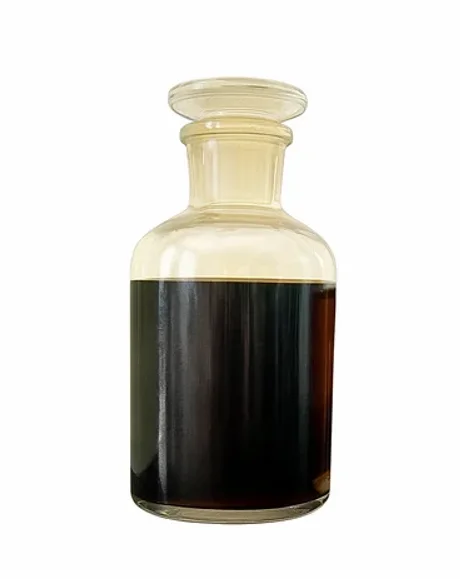
What Is an Oil Soluble Demulsifier?
An Oil Soluble Demulsifier is a chemical formulation used to treat water-in-oil emulsions in oil production and processing facilities. These emulsions form when water droplets become dispersed throughout crude oil and are stabilized by naturally occurring substances such as asphaltenes, resins, and other interfacial materials.
The chemical works at the oil-water interface, weakening the film that prevents water droplets from combining. As droplets merge into larger droplets, they can settle more readily under suitable separation conditions.
This process supports crude oil dehydration by reducing residual water and sediment levels. The treatment requirements depend on crude oil composition, emulsion stability, temperature, residence time, and the performance of the separation equipment.
Why Is Crude Oil Emulsion Treatment Important?
Stable emulsions can create operational challenges throughout the oil and gas value chain. Excess water in crude oil may increase transportation requirements, contribute to corrosion risks in susceptible systems, and complicate downstream processing.
Effective crude oil emulsion treatment helps operators address several concerns:
Improved crude oil quality: Reducing water and sediment supports the required crude oil specifications.
Better processing efficiency: Effective separation helps equipment operate under suitable conditions.
Lower transportation burden: Removing unnecessary water can reduce the volume of material transported.
Improved refinery operations: Lower water and salt content can support crude oil preparation before refining.
More consistent production: Appropriate chemical treatment can help manage changing emulsion conditions.
The actual results depend on the crude oil, treatment program, and operating environment.
How Does an Oil Soluble Demulsifier Work?
An Oil Soluble Demulsifier promotes separation through several interconnected stages.
1. Interfacial Adsorption
After injection and mixing, the active chemical components migrate toward the oil-water interface, where the emulsion is stabilized.
2. Displacement of Natural Emulsifiers
The demulsifier interacts with the interfacial film formed by naturally occurring stabilizing substances, helping reduce its resistance to separation.
3. Interfacial Film Weakening
As the protective film becomes less stable, water droplets can approach one another and combine more readily.
4. Water Droplet Coalescence
Small dispersed droplets merge into larger droplets, improving their ability to separate from the continuous oil phase.
5. Oil-Water Separation
Under suitable temperature, residence time, and settling conditions, the larger water droplets separate from the crude oil. The treated oil can then undergo further processing when necessary.
Key Benefits of Oilfield Demulsifier Chemicals
Using suitable oilfield demulsifier chemicals can provide operational benefits when the formulation is selected and applied correctly.
Reduced water content: Supports the removal of dispersed water from crude oil.
Improved separation performance: Helps water droplets coalesce in separators and other treatment equipment.
Better crude oil handling: Appropriate dehydration can improve the consistency of crude oil entering downstream processes.
Potential cost optimization: Effective treatment may reduce unnecessary water handling and help optimize chemical consumption.
Flexible field application: Formulations can be evaluated for different crude oil properties and operating conditions.
Performance should be confirmed through laboratory bottle tests and field trials rather than assumed from chemical type alone.
Applications of Oil Soluble Demulsifier in the Oil and Gas Industry
Oil Soluble Demulsifier formulations can be used in several stages of oil production and processing, depending on their intended application.
Upstream Production
At wellheads and production facilities, demulsifiers help treat emulsions formed during oil extraction. They can be applied in conjunction with production separators and free-water knockout systems.
Crude Oil Processing Facilities
Treatment can support dehydration systems, heater treaters, and other separation equipment where water removal is necessary.
Pipeline and Storage Operations
Suitable demulsifiers may support crude oil conditioning and water separation before transportation or during storage, depending on the process design.
Refinery Preparation
Crude oil dehydration and desalting systems may use specialized demulsifier chemistry to assist separation before further processing. Product compatibility and process requirements must be assessed before use.
Dosage and Application Considerations
The appropriate dosage of an Oil Soluble Demulsifier varies with crude oil properties, water cut, emulsion stability, temperature, mixing conditions, and equipment design.
A fixed dosage range should not be applied universally. Instead, operators should establish the effective treatment concentration through laboratory testing and controlled field evaluation.
Common application methods include continuous injection through chemical dosing pumps, batch treatment, and injection at designated points in production or processing systems. Injection location, mixing intensity, and available separation time can significantly influence results.
Monitoring residual water, basic sediment and water (BS&W), water quality, and oil recovery helps determine whether the treatment program is performing as intended.
Storage and Safe Handling
Store demulsifier products in their original, tightly closed containers under the temperature and ventilation conditions specified in the product technical data sheet. Protect containers from incompatible materials and environmental exposure where applicable.
Personnel should follow the safety data sheet (SDS), wear the recommended personal protective equipment, and use appropriate procedures for chemical handling, spills, and disposal. Shelf life and storage limits should always be confirmed against the manufacturer’s documentation.
Conclusion
An Oil Soluble Demulsifier is an important component of effective crude oil emulsion treatment. By helping destabilize water-in-oil emulsions and promoting water droplet coalescence, the right formulation can support crude oil dehydration, improve separation performance, and help maintain processing efficiency.
For reliable results, demulsifier selection should consider crude oil characteristics, operating conditions, compatibility, and verified laboratory performance. A carefully designed treatment program can help oil and gas operators manage emulsion challenges and maintain consistent crude oil quality throughout production and processing operations.
We provide worldwide delivery, custom configurations, and technical support tailored to your operational needs.