
Citric Acid Drilling Fluid: 9 Powerful Benefits for Superior pH Control & Calcium Removal
Introduction
Citric Acid Drilling Fluid is one of the most effective solutions used in modern oil and gas drilling operations for maintaining the chemical balance of water-based drilling mud. As drilling environments become more demanding, operators require additives that not only improve drilling efficiency but also protect the overall mud system from contamination. A high-quality citric acid additive offers exactly that by controlling pH levels and removing unwanted calcium ions that negatively affect drilling fluid performance.
Maintaining proper drilling fluid chemistry is essential for achieving consistent rheological properties, minimizing equipment wear, and ensuring efficient hole cleaning. Excessive alkalinity or calcium contamination can reduce polymer performance, increase fluid loss, promote scale formation, and ultimately lead to higher operational costs. By incorporating Citric Acid Drilling Fluid into the mud system, drilling engineers can overcome these challenges while improving overall well performance.
In this guide, we’ll explore how citric acid works, its major benefits, recommended applications, dosage guidelines, and why it has become a preferred solution for drilling fluid treatment worldwide.
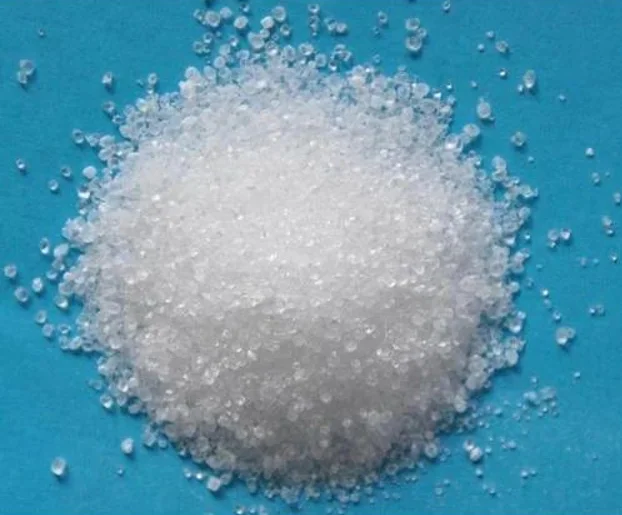
What is Citric Acid Drilling Fluid?
Citric Acid Drilling Fluid refers to the use of high-purity citric acid as a specialty additive in water-based drilling fluids to regulate alkalinity and eliminate calcium contamination. As an organic acid with excellent water solubility, citric acid is widely used across the oil and gas industry because of its reliable chemical properties and ease of application.
Unlike stronger mineral acids that may aggressively alter drilling fluid chemistry, citric acid provides controlled pH adjustment while acting as an efficient chelating agent. It bonds with calcium ions, forming soluble complexes that prevent scaling and contamination. This dual-action capability makes it an excellent Drilling Mud pH Reducer while supporting long-term drilling fluid stability.
Why pH and Calcium Control Are Critical
A properly balanced drilling fluid system directly influences drilling efficiency, equipment life, and wellbore stability. When pH becomes excessively high or calcium contamination increases, several operational problems can occur, including:
- Reduced polymer hydration and efficiency
- Higher fluid loss
- Increased scaling and precipitation
- Poor hole cleaning
- Reduced mud stability
- Greater maintenance costs
Effective Drilling Fluid Alkalinity Control helps maintain the ideal chemical environment required for additives to perform efficiently throughout the drilling process.
How Citric Acid Works in Drilling Fluids
The effectiveness of Citric Acid Drilling Fluid comes from its unique multi-functional chemical action.
1. Precise pH Reduction
Citric acid releases hydrogen ions that gradually lower drilling fluid pH, making it an effective Drilling Mud pH Reducer without causing sudden fluctuations.
2. Neutralization of Excess Alkalinity
It reacts with excess alkaline compounds present in drilling mud to restore chemical balance and maintain stable fluid properties.
3. Efficient Calcium Chelation
Citric acid forms stable soluble complexes with calcium ions, making it highly effective for Calcium Removal Drilling Fluid treatment. This prevents calcium from interfering with polymers, viscosifiers, and filtration-control additives.
4. Prevention of Contamination
By keeping calcium dissolved rather than allowing precipitation, citric acid minimizes contamination caused by cement, formation water, or drilling operations.
5. Improved Fluid Stability
Stable chemistry results in better rheology, improved filtration control, and enhanced drilling efficiency under varying downhole conditions.
9 Powerful Benefits of Citric Acid Drilling Fluid
1. Superior pH Control
Maintains the ideal pH range required for consistent drilling fluid performance.
2. Effective Calcium Removal
Functions as a reliable Calcium Removal Drilling Fluid solution by eliminating harmful calcium contamination.
3. Better Polymer Performance
Protects expensive drilling fluid polymers from calcium interference, improving viscosity and filtration control.
4. Prevents Scale Formation
Reduces calcium precipitation that may clog drilling equipment and circulation systems.
5. Enhances Mud Stability
Supports long-term chemical balance for consistent drilling operations.
6. High Water Solubility
Dissolves rapidly, allowing quick mixing and uniform distribution throughout the mud system.
7. Compatible with Multiple Systems
Works efficiently in various water-based drilling fluid formulations.
8. Cost-Effective Treatment
Reduces the need for additional corrective chemicals and lowers maintenance costs.
9. Environmentally Friendly Organic Acid
Compared with stronger inorganic acids, citric acid offers a safer and more controlled solution for drilling fluid treatment.
Applications of Citric Acid Drilling Fluid
The versatility of Citric Acid Drilling Fluid makes it suitable for numerous oilfield operations.
Drilling Mud pH Adjustment
Maintains optimum pH levels for improved drilling performance.
Calcium Contamination Treatment
Provides dependable Calcium Removal Drilling Fluid performance after cement contamination or formation water intrusion.
Drilling Fluid Alkalinity Control
Balances excessive alkalinity without negatively affecting mud properties.
Scale Prevention
Helps minimize scale deposits in drilling equipment, pumps, pipelines, and circulation systems.
Polymer Protection
Enhances the effectiveness of viscosifiers, fluid-loss reducers, and shale inhibitors.
Recommended Dosage
The required dosage depends on drilling conditions and contamination levels.
| Application | Recommended Dosage |
|---|---|
| Initial Treatment | 0.5–2.0 kg/m³ |
| Maintenance | Based on pH and calcium analysis |
Factors affecting dosage include:
- Initial mud alkalinity
- Calcium concentration
- Mud formulation
- Drilling depth
- Formation characteristics
Routine mud testing helps determine the optimum treatment level for maximum efficiency.
Compatibility with Drilling Systems
One major advantage of Citric Acid Drilling Fluid is its broad compatibility with common drilling fluid systems.
It performs effectively in:
- Water-Based Mud (WBM)
- Polymer drilling fluids
- Bentonite-based mud systems
- Clay-based drilling fluids
- Soda ash treated systems
- Caustic soda treated systems
Its flexibility makes it an excellent Oilfield Citric Acid Additive for both routine maintenance and contamination treatment.
Best Practices for Maximum Performance
To achieve the best results:
- Monitor drilling fluid pH regularly.
- Test calcium levels before treatment.
- Add citric acid gradually while circulating the mud.
- Ensure complete mixing before additional chemical treatments.
- Follow recommended dosage based on laboratory analysis.
These practices help maintain stable drilling fluid properties and improve overall operational efficiency.
Why Choose Citric Acid Drilling Fluid?
Oil and gas operators continue to rely on Citric Acid Drilling Fluid because it delivers dependable performance in demanding drilling environments. Its excellent solubility, high purity, and strong calcium-chelating ability make it one of the most effective additives available for controlling alkalinity and preventing contamination.
Whether the objective is maintaining proper drilling fluid chemistry, protecting polymers, or improving mud stability, citric acid provides a practical and economical solution that supports smoother drilling operations and reduced downtime.
Conclusion
Maintaining optimal drilling fluid performance is essential for safe, efficient, and cost-effective drilling operations. Citric Acid Drilling Fluid offers a proven solution for controlling pH, reducing alkalinity, removing calcium contamination, and stabilizing water-based mud systems.
Its excellent compatibility with various drilling fluid formulations, rapid solubility, and reliable chemical performance make it an indispensable additive for today’s oilfield operations. By incorporating citric acid into your drilling fluid program, you can enhance mud stability, improve additive efficiency, minimize equipment scaling, and achieve greater drilling productivity.
- pH Control: It is the go-to chemical for rapidly lowering alkalinity (pH) in drilling muds. This is crucial when drilling through cement, which naturally spikes the pH and ruins the rheology of the mud.
- Calcium Treatment: It binds with excess calcium and removes it from the drilling fluid, preventing mud from thickening or “gelling” up prematurely.
- Iron Sequestration: It holds soluble iron in solution. This prevents iron from breaking down (or cross-linking) vital polymers like xanthan gum and keeps the fluid performing optimally.
- Thinner: In the presence of sodium-based polymers, it forms sodium citrate, which acts as a dispersant to thin the mud
Like a few other common acids, citric acid can etch concrete. Etching concrete increases the porosity of the surface. That’s a plus if you’re planning on re-sealing concrete after cleaning. If not, it can eventually lead to cracks.
While non-toxic, it can still cause skin, eye, and respiratory irritation. Crews should avoid breathing in the dust and should always store the dry powder or liquid in airtight containers to prevent moisture exposure.
Call to Action
Optimize Your Drilling Fluid Performance with Premium Citric Acid
Looking for a reliable solution to improve pH control, eliminate calcium contamination, and enhance drilling fluid stability? Petropath Fluids India Limited offers high-quality citric acid additives engineered for demanding oilfield applications.
Contact our technical team today to discuss your drilling fluid requirements and discover how our advanced oilfield chemical solutions can help improve operational efficiency while reducing downtime and maintenance costs.