
Citric Acid Drilling Fluid: The Complete Guide to pH Control & Calcium Removal
In modern oil and gas operations, maintaining drilling fluid performance is critical for efficiency and cost control. One of the most effective solutions used today is citric acid drilling fluid, a powerful additive designed to manage pH levels and eliminate calcium contamination.
Drilling fluids, especially water-based mud (WBM), often face challenges like high alkalinity and unwanted calcium ions. These issues can reduce the efficiency of polymers, cause scaling, and disrupt overall drilling performance. This is where a high-quality citric acid solution becomes essential.
This blog explores how citric acid works in drilling fluids, its benefits, applications, and why it is a preferred choice in oilfield operations.
What is Citric Acid Drilling Fluid?
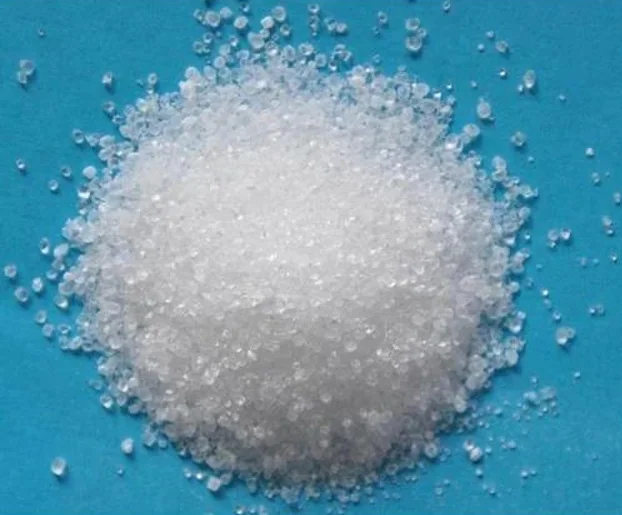
Citric acid drilling fluid refers to the use of citric acid as an additive in drilling mud systems to control alkalinity and remove calcium ions. It is a high-purity organic acid widely used in oilfield applications due to its excellent solubility and chemical effectiveness.
As a drilling mud pH reducer, citric acid helps maintain the desired pH range, ensuring stable and efficient drilling conditions. At the same time, it acts as a chelating agent, binding with calcium ions and preventing contamination issues.
Why pH and Calcium Control Matters
Proper drilling fluid alkalinity control is essential for maintaining fluid stability. High pH levels can negatively affect drilling fluid additives, while calcium contamination can lead to:
- Reduced polymer efficiency
- Increased fluid loss
- Scaling and precipitation
- Poor hole cleaning performance
Using citric acid drilling fluid helps overcome these challenges by stabilizing the chemical environment of the mud system.
How Citric Acid Works in Drilling Fluids
The effectiveness of citric acid drilling fluid lies in its dual-action mechanism:
1. pH Reduction
Citric acid releases hydrogen ions (H⁺), lowering the pH of the drilling fluid. This makes it a reliable drilling mud pH reducer for maintaining optimal conditions.
2. Neutralization
It reacts with alkaline substances, ensuring precise drilling fluid alkalinity control without overcorrection.
3. Calcium Chelation
Citric acid binds with calcium ions (Ca²⁺), forming soluble complexes. This enables efficient calcium removal drilling fluid treatment.
4. Contamination Prevention
By keeping calcium in a soluble form, it prevents interference with other additives like polymers and viscosifiers.
5. System Stabilization
Overall, it helps maintain a balanced and stable drilling fluid system, improving performance and reliability.
Key Benefits of Citric Acid Drilling Fluid
Using citric acid drilling fluid provides several operational advantages:
- Effective pH control for stable drilling operations
- Reliable calcium removal drilling fluid performance
- Prevents scaling and precipitation issues
- Enhances efficiency of polymers and additives
- Improves overall drilling fluid stability
- Easy to mix and highly water-soluble
- Cost-effective solution for contamination treatment
These benefits make it a preferred oilfield citric acid additive in demanding drilling environments.
Applications in Oil & Gas Drilling
1. Drilling Mud pH Reduction
Maintains optimal pH levels, ensuring efficient drilling and preventing fluid degradation.
2. Calcium Removal & Control
Acts as a strong calcium removal drilling fluid solution, protecting additives from contamination.
3. Contamination Treatment
Handles contamination from cement, formation fluids, and other sources effectively.
4. Fluid Stabilization
Supports consistent fluid performance across varying drilling conditions.
5. Scale Prevention
Prevents calcium-based scale formation in drilling systems and equipment.
Recommended Dosage
The effectiveness of citric acid drilling fluid depends on proper dosage:
- Initial Dosage: 0.5 – 2.0 kg/m³
- Maintenance Dosage: Adjust based on pH and calcium levels
Factors Affecting Dosage:
- Mud alkalinity
- Calcium contamination level
- Drilling conditions
Correct dosage ensures efficient drilling mud pH reducer performance and long-term fluid stability.
Compatibility with Drilling Systems
One of the biggest advantages of citric acid drilling fluid is its wide compatibility. It works effectively with:
- Water-based drilling mud (WBM)
- Polymer-based systems
- Bentonite and clay-based fluids
- Common oilfield chemicals like soda ash and caustic soda
This flexibility makes it an essential oilfield citric acid additive for various drilling operations.
Operational Advantages
Improved Mud Performance
Maintains ideal chemical balance for enhanced drilling efficiency.
Enhanced Additive Efficiency
Supports better performance of viscosifiers and filtration agents.
Reduced Equipment Issues
Minimizes scaling and deposition, extending equipment life.
Better Drilling Control
Ensures consistent fluid properties under changing conditions.
- pH Control: It is the go-to chemical for rapidly lowering alkalinity (pH) in drilling muds. This is crucial when drilling through cement, which naturally spikes the pH and ruins the rheology of the mud.
- Calcium Treatment: It binds with excess calcium and removes it from the drilling fluid, preventing mud from thickening or “gelling” up prematurely.
- Iron Sequestration: It holds soluble iron in solution. This prevents iron from breaking down (or cross-linking) vital polymers like xanthan gum and keeps the fluid performing optimally.
- Thinner: In the presence of sodium-based polymers, it forms sodium citrate, which acts as a dispersant to thin the mud
Like a few other common acids, citric acid can etch concrete. Etching concrete increases the porosity of the surface. That’s a plus if you’re planning on re-sealing concrete after cleaning. If not, it can eventually lead to cracks.
While non-toxic, it can still cause skin, eye, and respiratory irritation. Crews should avoid breathing in the dust and should always store the dry powder or liquid in airtight containers to prevent moisture exposure.
Why Choose Citric Acid for Drilling Fluids?
When it comes to reliability and efficiency, citric acid drilling fluid stands out as a proven solution. Its high purity, excellent solubility, and strong chelating ability make it ideal for modern drilling challenges.
Whether you need precise drilling fluid alkalinity control or effective calcium removal drilling fluid treatment, citric acid delivers consistent and cost-effective results.
Conclusion
In the oil and gas industry, maintaining drilling fluid performance is critical for successful operations. Citric acid drilling fluid offers a powerful solution for controlling pH levels, removing calcium contamination, and stabilizing mud systems.
With its multiple benefits, wide compatibility, and ease of use, it has become an essential additive in water-based drilling fluids. By incorporating citric acid into your drilling operations, you can improve efficiency, reduce operational issues, and achieve better overall performance.