
Drilling Fluid Laboratory: Precision Testing Solutions for Safer Drilling
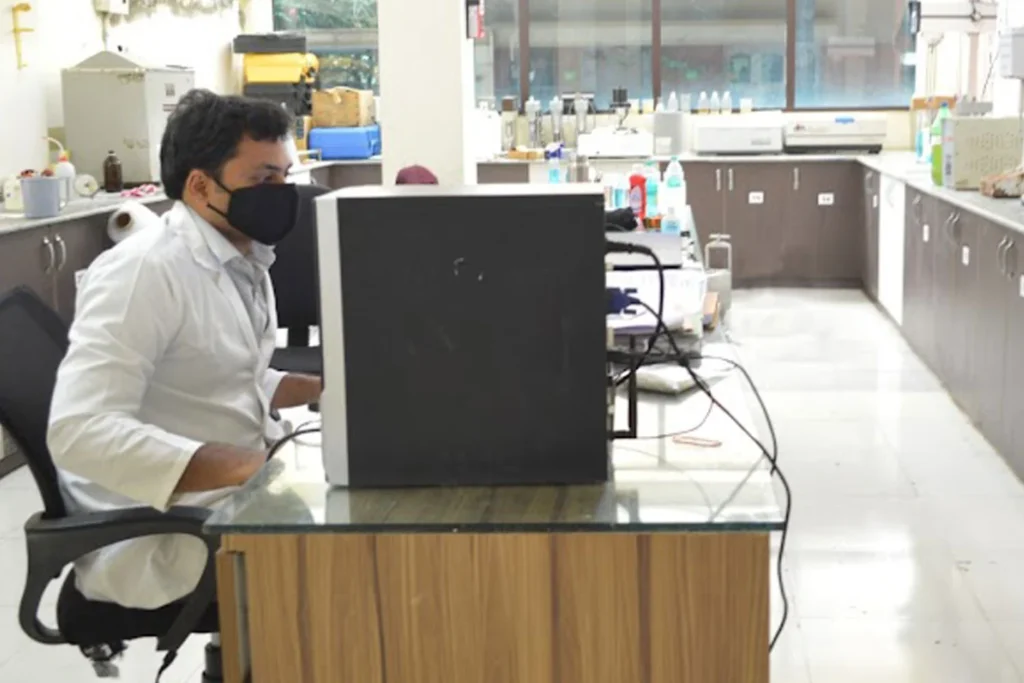
A reliable Drilling Fluid Laboratory is essential for safe, efficient, and cost-effective drilling operations. Drilling fluids control pressure, carry cuttings, cool the drill bit, stabilize the wellbore, and protect the formation. These functions can only be managed effectively when fluid properties are tested accurately and consistently.
Petropath Fluids Ltd. provides laboratory equipment for testing, analyzing, and evaluating drilling mud under field and research conditions. Our instruments support dependable performance, repeatable results, and easy operation across oil and gas exploration, mud engineering, quality control, and product development.
Why a Drilling Fluid Laboratory Is Important
Drilling mud properties change continuously during operations. Temperature, pressure, solids, contaminants, chemical treatments, and formation interaction can affect density, viscosity, filtration, lubrication, and stability. A properly equipped Drilling Fluid Laboratory helps engineers identify these changes before they create operational problems.
Accurate testing supports well control, reduces formation damage, minimizes equipment wear, and helps prevent non-productive time. It also enables mud engineers to adjust the fluid system using real test data instead of assumptions.
Why Choose Petropath Fluids Ltd.?
Selecting the right Drilling Fluid Laboratory equipment supplier directly affects test reliability and operational performance. Petropath combines engineering expertise, quality control, and technical support to deliver long-term value.
API-Oriented Testing Accuracy
Our drilling fluid testing instruments support procedures commonly used under API-referenced testing practices. Consistent calibration and inspection help users obtain reliable and repeatable measurements.
Complete Equipment Range
Petropath offers equipment for measuring density, rheology, filtration, solids content, lubricity, thermal stability, and fluid composition. Customers can build a complete mud testing laboratory through one dependable supplier.
Oilfield-Ready Construction
A field Drilling Fluid Laboratory must perform under demanding conditions. Our equipment uses durable components and practical controls for reliable operation in laboratories, workshops, and field locations.
Technical Support
We assist customers with product selection, installation guidance, operating instructions, maintenance advice, and after-sales support.
Essential Drilling Fluid Testing Equipment
A modern Drilling Fluid Laboratory requires different instruments to evaluate key mud properties. Petropath’s range includes:
Mud Balance
Measures drilling fluid density. Correct mud weight supports hydrostatic pressure, formation control, and wellbore stability.
Marsh Funnel Viscometer
Provides a quick field indication of drilling fluid viscosity and helps identify changes in fluid consistency.
6 Speed Viscometer
Measures plastic viscosity, yield point, and gel strength to help engineers understand fluid flow and hole-cleaning performance.
Retort Kit
Determines oil, water, and solids percentages in a drilling fluid sample, supporting treatment decisions and solids-control management.
Sand Content Kit
Measures abrasive sand particles that can damage pumps, erode equipment, and reduce drilling performance.
API Filter Press
Evaluates low-pressure filtration, fluid loss, and filter cake quality, which influence formation protection and wellbore stability.
HTHP Filter Press
Simulates high-temperature and high-pressure downhole conditions for fluids used in deep or challenging wells.
Pressurized Mud Balance
Measures fluid density while reducing the influence of entrained air or gas.
Hamilton Beach Mixer
Provides uniform blending of drilling mud, additives, and laboratory formulations for consistent sample preparation.
Lubricity Tester
Measures friction-reducing performance. Better lubricity can reduce torque, drag, equipment wear, and differential sticking.
Roller Oven
Supports hot rolling and ageing tests to evaluate fluid stability after exposure to elevated temperatures.
Applications of Drilling Fluid Laboratory Equipment
Petropath’s Drilling Fluid Laboratory solutions support several important applications.
Oil and Gas Exploration
Testing helps drilling teams confirm that mud properties remain within the required operating range throughout well construction.
Field Mud Testing
On-site testing provides immediate data for adjusting density, viscosity, filtration control, and chemical treatment.
Research and Development
A research Drilling Fluid Laboratory supports the development of fluid formulations, additives, polymers, lubricants, and loss-control materials.
Quality Assurance
Manufacturers and service companies use laboratory testing to verify product quality, batch consistency, and performance requirements.
Frequently Asked Questions
What fluid is used in drilling?
Drilling operations may use water-based mud, oil-based mud, synthetic-based mud, air, foam, or specialized completion fluids. Selection depends on the formation, well design, pressure, temperature, and environmental requirements.
What causes contamination of drilling fluid?
Common contaminants include drilled solids, salt, cement, gypsum, formation water, oil, bacteria, and unwanted chemicals. Contamination can alter density, viscosity, filtration, and chemical stability.
How does drilling fluid work?
Drilling fluid circulates down the drill string and returns through the annulus. It carries cuttings upward, balances formation pressure, cools and lubricates the bit, and supports wellbore stability.
Why is drilling fluid important?
It supports well control, hole cleaning, pressure management, formation protection, cooling, lubrication, and efficient drilling.
Is drilling fluid flammable?
Flammability depends on the fluid type. Water-based fluids generally present a lower fire risk, while oil-based and synthetic systems may be combustible. Proper handling, ventilation, storage, and site safety procedures are essential.
Quality Testing for Better Drilling Performance
An advanced Drilling Fluid Laboratory helps operators make faster, evidence-based decisions. Reliable results can reduce operational risks, improve mud treatment, protect equipment, and support consistent well performance.
Petropath Fluids Ltd. supplies robust drilling fluid testing equipment for field laboratories and research facilities. Every product is inspected before dispatch to support dependable performance and long service life.
Choose Petropath Fluids Ltd.
When you need a dependable Drilling Fluid Laboratory partner, Petropath Fluids Ltd. offers mud testing instruments, technical support, and application-focused solutions. From routine field testing to advanced high-pressure analysis, our equipment supports safer, smarter, and more efficient drilling operations.
A complete Drilling Fluid Laboratory from Petropath helps users improve testing consistency, laboratory workflow, and operational confidence.
Contact Petropath Fluids Ltd. today to learn more about our drilling fluid testing equipment and customized laboratory solutions.
Most drilling fluids are water based from either fresh or salt water, although oil-based fluids (or synthetic fluids meant to mimic the properties of oil) are also used. Less commonly used are gaseous fluids, which are air and foam based.
Contamination of the drilling fluid system can come from any one of the following sources: materials coming from the formation, thermal degradation of organics in mud, or aeration or overtreatment at the surface.
Drilling lube (or cutting fluid) works by actively reducing friction, dissipating extreme heat, and flushing away metal debris. By creating a protective boundary between the drill bit and the workpiece, it prevents the tool from welding to the metal, significantly extending drill bit life and preventing premature dulling
Drilling fluids serve many functions: controlling formation pressures, removing cuttings from the wellbore, sealing permeable formations encoun-tered while drilling, cooling and lubricating the bit, transmitting hydraulic energy to downhole tools and the bit and, perhaps most important, maintaining wellbore stability
Conclusion
If you are searching for a dependable Drilling Fluid Laboratory solution, Petropath Fluids Ltd. is your trusted partner. Our complete range of API-calibrated mud testing laboratory instruments ensures reliable data, improved drilling performance, and compliance with industry standards.
From field operations to advanced research facilities, Petropath delivers high-quality drilling fluid testing tools designed to support safer, smarter, and more efficient drilling operations.
👉 Contact us today to learn more about our complete drilling fluid laboratory equipment and customized mud testing solutions.
We provide worldwide delivery, custom configurations, and technical support tailored to your operational needs.