
Effluent Treatment Plant: 7 Powerful Benefits for Sustainable Industrial Wastewater Management
Industrial growth supports economic development, employment, and innovation. However, it also produces wastewater containing oils, chemicals, organic matter, suspended solids, salts, and heavy metals. Releasing this wastewater without proper treatment can damage water bodies, contaminate soil, affect groundwater, and create serious environmental risks.
An Effluent Treatment Plant provides industries with an effective method for treating contaminated wastewater before it is recycled, reused, or safely discharged. Petropath Fluids Limited delivers customized industrial wastewater treatment solutions designed to improve treatment efficiency, support regulatory compliance, and reduce the environmental impact of industrial operations.
What Is an Effluent Treatment Plant?
An Effluent Treatment Plant is an engineered wastewater treatment system that removes physical, chemical, and biological contaminants from industrial effluent. It uses multiple treatment processes to reduce biochemical oxygen demand, chemical oxygen demand, suspended solids, oils, harmful chemicals, and other pollutants.
The exact treatment method depends on the characteristics of the wastewater, daily flow rate, pollutant concentration, intended reuse application, and applicable discharge standards.
Petropath develops industrial effluent treatment solutions based on detailed wastewater analysis. This customized approach helps ensure that every system is suitable for the industry’s operational requirements rather than relying on a standard treatment design.
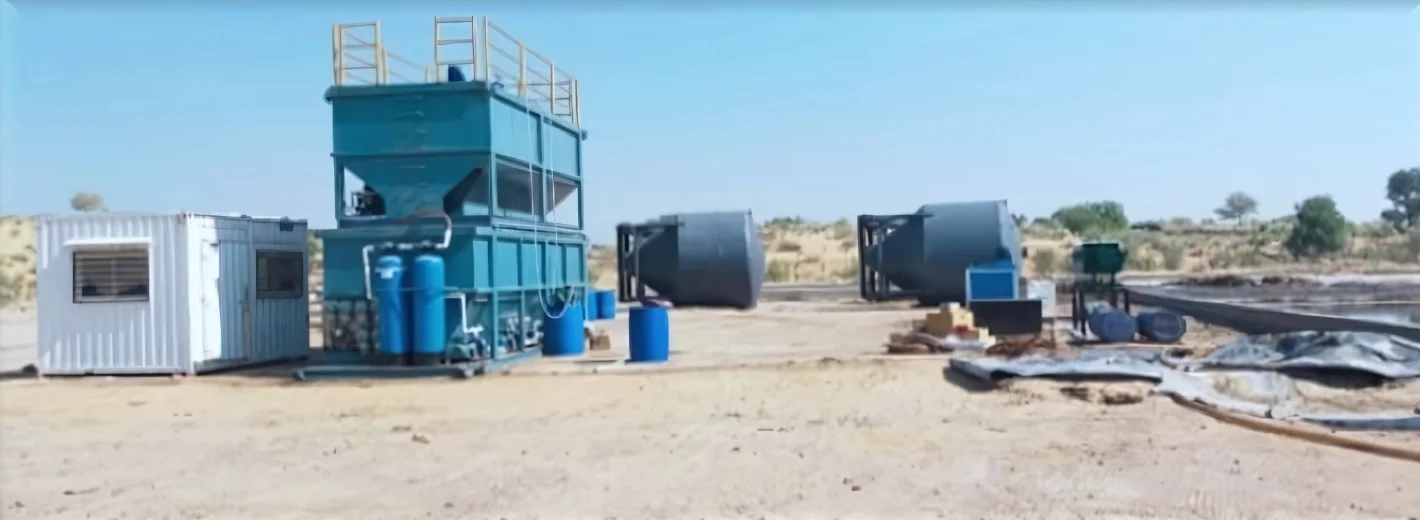
How Does Industrial Effluent Treatment Work?
A modern Effluent Treatment Plant generally uses primary, secondary, and tertiary treatment stages. Each stage targets specific types of contaminants.
1. Preliminary and Primary Treatment
The first stage removes large and suspended materials from industrial wastewater. Screening equipment captures debris, while oil-and-grease traps separate floating contaminants. Equalization tanks balance variations in wastewater flow and pollutant concentration.
Chemical treatment may also be used to adjust pH and improve the separation of suspended or dissolved pollutants. Coagulation, flocculation, and sedimentation allow smaller particles to combine and settle as sludge.
2. Secondary Biological Treatment
Secondary treatment uses microorganisms to break down biodegradable organic pollutants. Depending on the wastewater characteristics, the system may use aerobic or anaerobic biological processes.
This stage is particularly important for reducing biochemical oxygen demand and chemical oxygen demand. Proper aeration, nutrient balance, retention time, and biological activity are carefully controlled to maintain reliable treatment performance.
3. Tertiary Treatment and Disinfection
The tertiary stage provides advanced polishing of treated wastewater. It may include pressure sand filtration, activated carbon filtration, membrane treatment, disinfection, or other specialized processes.
A well-designed Effluent Treatment Plant can prepare treated water for approved non-potable applications such as gardening, floor washing, cooling towers, equipment cleaning, and selected industrial processes.
Key Features of Petropath ETP Systems
Customized Engineering
Every industry produces wastewater with different characteristics. Petropath considers flow rate, pH, pollutant load, oil content, suspended solids, chemical composition, operating hours, and discharge requirements before designing the system.
Multi-Stage Treatment
Petropath systems combine physical, chemical, and biological processes for comprehensive pollutant removal. Additional filtration or polishing stages can be incorporated when a higher level of treated-water quality is required.
Automated Operation
The Effluent Treatment Plant can be supplied with manual, semi-automatic, or PLC-based control options. Automated systems help monitor water flow, tank levels, aeration, chemical dosing, and other important operating parameters.
Durable Construction
Depending on the application and effluent properties, treatment units can be manufactured using mild steel, fibre-reinforced plastic, stainless steel, or a suitable combination of materials. This supports corrosion resistance, durability, and dependable operation.
Water-Recovery Focus
The treatment process can be designed to maximize water recovery and reduce freshwater consumption. Reusing treated wastewater can help industries lower their dependence on municipal or groundwater supplies.
7 Benefits of an Effluent Treatment Plant
1. Protects the Environment
Industrial wastewater treatment helps prevent oils, chemicals, suspended solids, and other pollutants from entering rivers, lakes, soil, and groundwater.
2. Supports Regulatory Compliance
An Effluent Treatment Plant helps businesses manage wastewater according to applicable pollution-control requirements. India’s CPCB publishes general and industry-specific effluent standards, so the final system and outlet targets must be selected according to the relevant industry and disposal method. CPCB effluent and emission standards
3. Enables Water Reuse
Properly treated water may be reused for suitable industrial and non-potable applications, subject to quality testing and regulatory approval.
4. Reduces Freshwater Consumption
Wastewater recycling reduces the quantity of fresh water required for everyday industrial activities. This is especially valuable in water-stressed regions.
5. Improves Operational Efficiency
Automated monitoring, controlled dosing, and properly selected treatment processes improve consistency while reducing unnecessary manual intervention.
6. Controls Long-Term Costs
Although treatment infrastructure requires an initial investment, water recovery, efficient chemical dosing, regulatory compliance, and reduced freshwater procurement can produce long-term savings.
7. Strengthens Sustainability Performance
Installing an Effluent Treatment Plant demonstrates an organization’s commitment to responsible water management, pollution prevention, ESG objectives, and sustainable industrial development.
Industries That Require ETP Solutions
Petropath provides industrial effluent treatment solutions for a wide range of applications:
- Oil and gas: Drilling effluent, oily water and process wastewater
- Chemical and pharmaceutical: Toxic, complex and high-COD wastewater
- Textile and dyeing: Dyes, salts, colour and chemical residues
- Food and beverage: Organic-rich wastewater and suspended matter
- Paper and pulp: High BOD, COD and fibre-containing wastewater
- Mining and steel: Heavy metals and mineral-based contaminants
- Automobile and engineering: Oils, grease, coolants and process chemicals
The treatment configuration must be selected after testing the actual wastewater because pollutant concentration and discharge requirements differ across facilities.
Typical Technical Configuration
A Petropath Effluent Treatment Plant may be custom-engineered for capacities ranging from approximately 5 m³/day to 500 m³/day. Larger or specialized capacities can be evaluated according to project requirements.
Common processes include screening, oil separation, equalization, pH correction, coagulation, flocculation, sedimentation, biological treatment, filtration, disinfection, and sludge handling.
Expected removal efficiency depends on the influent quality, selected technology, operating conditions, and required outlet standards. Therefore, parameters such as pH, BOD, COD, total suspended solids, oil and grease, and heavy metals should be confirmed through wastewater analysis and project-specific performance design.
Our systems are fully customized, energy-efficient, and engineered for long-term compliance and performance.
Why Choose Petropath Fluids Limited?
Petropath Fluids Limited combines wastewater-treatment knowledge, customized engineering, reliable construction, and application-specific system design. From initial wastewater analysis and process selection to manufacturing, installation, commissioning, and maintenance support, Petropath offers an integrated project approach.
Every Effluent Treatment Plant is developed with attention to treatment reliability, ease of operation, resource recovery, durability, and environmental performance.
Conclusion
Responsible wastewater management is essential for industries seeking regulatory compliance, efficient resource utilization, and sustainable growth. The right Effluent Treatment Plant can reduce pollution, enable water reuse, conserve freshwater, improve operational control, and support long-term cost savings.
With customized industrial wastewater treatment solutions from Petropath Fluids Limited, businesses can manage complex effluents efficiently while moving toward cleaner and more sustainable operations.
We provide worldwide delivery, custom configurations, and technical support tailored to your operational needs.