
Electrical Stability Meter: Advanced ES Testing Solution for Drilling Fluids
Introduction: Why Emulsion Stability Matters in Drilling
Modern oil and gas wells operate under increasingly demanding conditions, making reliable drilling fluid performance more important than ever. Oil-based mud (OBM) and synthetic-based mud (SBM) systems depend on stable emulsions to provide effective lubrication, filtration control, wellbore stability, and reliable pressure management.
An Electrical Stability Meter is an important laboratory instrument used to evaluate the strength of these emulsions. By measuring the voltage required to destabilize the oil-water emulsion, drilling professionals can obtain an Electrical Stability (ES) value that helps assess the condition of the mud system.
Regular ES measurements can help identify changes in drilling fluid quality and support timely treatment decisions before fluid instability develops into a larger operational problem.
What Is an Electrical Stability Meter?
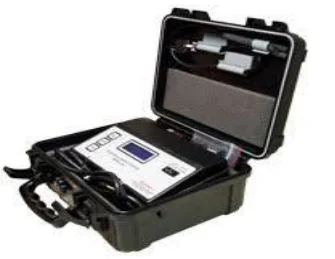
An Electrical Stability Meter is a specialized instrument designed to measure the electrical stability of oil-based and synthetic drilling fluids. During the test, an electrical potential is applied through electrodes immersed in the drilling fluid. The voltage is increased until the emulsion reaches its electrical breakdown point.
The resulting value is known as the ES value.
In general, a higher ES reading indicates a stronger electrical resistance within the emulsion system, while a lower reading can indicate changes in emulsifier performance, water contamination, solids contamination, or other alterations in mud chemistry.
Because drilling fluids can change rapidly during active drilling, routine testing provides mud engineers with valuable information for maintaining consistent fluid performance.
Why Is Electrical Stability Testing Important?
Electrical Stability Testing is an important part of quality control for oil-based and synthetic drilling fluids. Drilling conditions can expose mud systems to formation fluids, temperature changes, drilled solids, water influx, and chemical contamination.
Monitoring ES values allows drilling teams to detect changes in emulsion condition and investigate the possible causes.
An ES test can help professionals:
Monitor the condition of oil-based mud
Evaluate emulsion strength
Identify potential water contamination
Assess emulsifier and wetting-agent performance
Support drilling fluid treatment decisions
Maintain consistent mud properties
Reduce the possibility of unexpected fluid degradation
By incorporating routine electrical stability measurements into laboratory testing programs, operators can make more informed decisions about drilling fluid maintenance.
How Does an ES Meter Work?
The working principle behind an Electrical Stability Meter is relatively straightforward. A prepared drilling fluid sample is placed in the appropriate test cell containing standardized electrodes. The instrument applies an alternating electrical voltage across the sample.
As the voltage increases, the electrical response of the emulsion is monitored. At a specific point, the insulating properties of the emulsion break down and electrical current increases significantly. The voltage measured at this point represents the electrical stability of the sample.
The test result can then be compared with previous measurements, laboratory targets, or the requirements established for a particular drilling fluid system.
Consistent sample preparation and proper testing procedures are essential because variations in temperature, sample condition, and testing technique can affect the result.
Key Features of Modern Electrical Stability Meters
A professional Electrical Stability Meter should provide reliable, repeatable measurements while remaining practical for routine drilling fluid laboratories.
Important features can include:
Wide voltage output range
Stable test frequency
Standardized electrode spacing
Easy-to-read measurement controls
Rugged construction
Simple sample testing procedure
Low maintenance requirements
Reliable performance during repeated testing
For oilfield laboratories, equipment durability is particularly important because testing may be performed frequently under demanding operational schedules.
Technical Specifications
Typical specifications for an ES testing instrument may include:
| Parameter | Specification |
|---|---|
| Power Supply | AC 220V ±10%, 50 Hz |
| Output Voltage | 0–2000 V |
| Frequency | 340 Hz |
| Electrode Spacing | 1.59 mm (0.061 inch) |
| Rated Power | 20 W |
These specifications provide the required electrical range and standardized testing configuration for evaluating drilling fluid emulsion stability.
Actual operating procedures should always follow the instrument manufacturer’s instructions and the applicable testing method used by the drilling fluid laboratory.
Applications of an ES Meter for Drilling Fluids
An ES Meter for Drilling Fluids can be used in several drilling and laboratory environments. It is particularly valuable wherever oil-based or synthetic-based mud systems require regular emulsion stability monitoring.
Common applications include:
Oilfield drilling fluid laboratories
Rig-site mud testing laboratories
OBM quality-control programs
Synthetic-based mud evaluation
Drilling fluid research and development
Mud formulation testing
Technical training laboratories
Centralized oilfield testing facilities
The instrument can support drilling operations ranging from conventional onshore wells to complex offshore and high-temperature applications.
Benefits of Oil-Based Mud Testing
Reliable Oil-Based Mud Testing helps drilling teams understand whether the fluid is maintaining its intended performance characteristics.
Electrical stability measurements can contribute to:
Better Mud Quality Control
Regular testing creates a consistent method for monitoring changes in the drilling fluid system.
Faster Treatment Decisions
Unexpected changes in ES readings can prompt further investigation and appropriate chemical treatment.
Improved Drilling Performance
Maintaining a stable emulsion can support important mud properties such as filtration control, lubrication, and overall system consistency.
Reduced Operational Risk
Early identification of fluid instability can help teams address potential problems before they contribute to more serious drilling challenges.
More Consistent Laboratory Data
Repeatable testing allows engineers to compare results between samples, shifts, locations, and stages of the drilling operation.
Why Electrical Stability Meter Testing Is Essential for Modern Drilling
As wells become deeper and more technically challenging, drilling fluid systems must perform within increasingly precise operating windows. Changes in temperature, pressure, contamination, and chemical balance can influence mud performance.
An Electrical Stability Meter provides a practical way to monitor emulsion condition and identify changes that may require attention.
A declining ES value does not necessarily identify a single cause by itself. Instead, it should be evaluated alongside other drilling fluid properties such as rheology, filtration, density, electrical characteristics, and chemical concentrations.
This combined approach gives mud engineers a more complete understanding of the drilling fluid system.
Choosing the Right Drilling Fluid Testing Equipment
When selecting Drilling Fluid Testing Equipment, laboratories should consider measurement range, repeatability, construction quality, electrode configuration, ease of operation, and compatibility with their existing testing procedures.
The instrument should also be suitable for the laboratory’s expected testing frequency and operating environment. Reliable equipment can improve testing consistency and help drilling professionals build a dependable fluid-monitoring program.
Conclusion
An Electrical Stability Meter is a valuable testing solution for monitoring the emulsion strength of oil-based and synthetic-based drilling fluids. By providing an ES measurement, the instrument helps drilling engineers and mud specialists evaluate changes in fluid condition and support informed treatment decisions.
From rig-site laboratories to research facilities, dependable ES testing can strengthen drilling fluid quality control, improve operational decision-making, and support more consistent drilling performance.
As oil and gas operations continue to move toward deeper and more challenging wells, accurate drilling fluid testing will remain an important part of successful well construction. A reliable Electrical Stability Meter provides the measurement capability needed to monitor emulsion stability and maintain better control of modern drilling fluid systems.