
HDD Chemicals: Complete Guide to Horizontal Directional Drilling Chemicals for Efficient Drilling
Modern infrastructure projects increasingly rely on trenchless technologies to install pipelines, cables, and underground utilities with minimal disruption. Among these technologies, Horizontal Directional Drilling has become one of the most reliable and cost-effective methods. However, the efficiency of this process depends heavily on the performance of HDD Chemicals, which are specially formulated to maintain drilling stability and improve operational performance.
From stabilizing boreholes to reducing friction during drilling operations, HDD Chemicals play a crucial role in ensuring safe and productive drilling activities. By using advanced chemical formulations, drilling contractors can overcome complex geological formations and maintain consistent drilling fluid performance throughout the project lifecycle.
This guide explores the importance, types, and applications of HDD Chemicals and explains how they enhance drilling performance in trenchless construction projects.
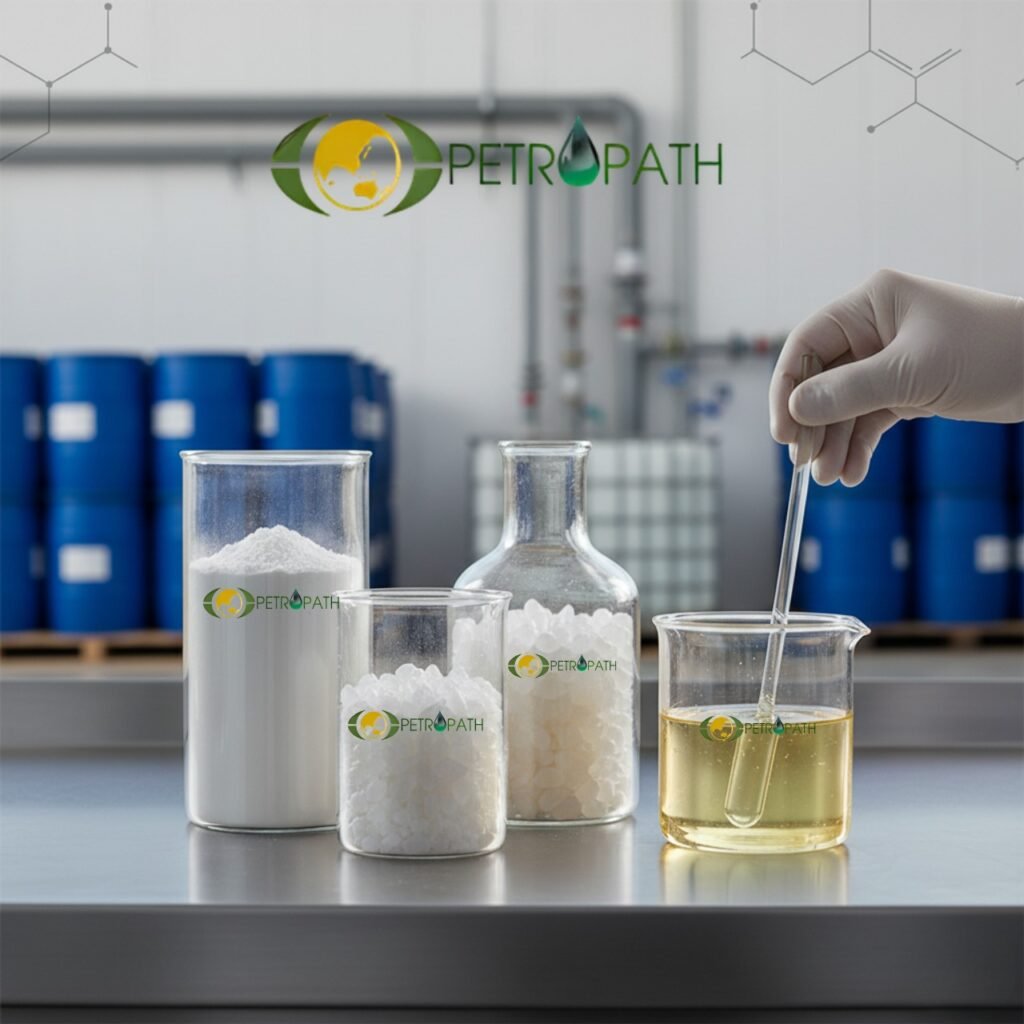
Horizontal Directional Drilling projects often encounter challenging subsurface conditions such as clay, sand, shale, gravel, and mixed formations. These conditions can lead to borehole collapse, excessive torque, or poor drilling fluid performance if not properly managed.
This is where HDD Chemicals become essential. Carefully selected drilling fluid additives help stabilize the borehole, improve lubrication, and enhance the carrying capacity of drilling fluids. These functions ensure smooth drilling operations while minimizing operational risks.
Key benefits of HDD Chemicals include:
Maintaining borehole integrity in unstable formations
Improving suspension and removal of drill cuttings
Reducing torque and drag during long drilling runs
Controlling fluid loss and maintaining optimal pH levels
Protecting drilling tools and equipment from corrosion
By optimizing drilling fluid performance, contractors can achieve faster penetration rates, improved drilling accuracy, and reduced project downtime.
Key Types of HDD Chemicals Used in Drilling Operations
1. Bentonite Powder for HDD
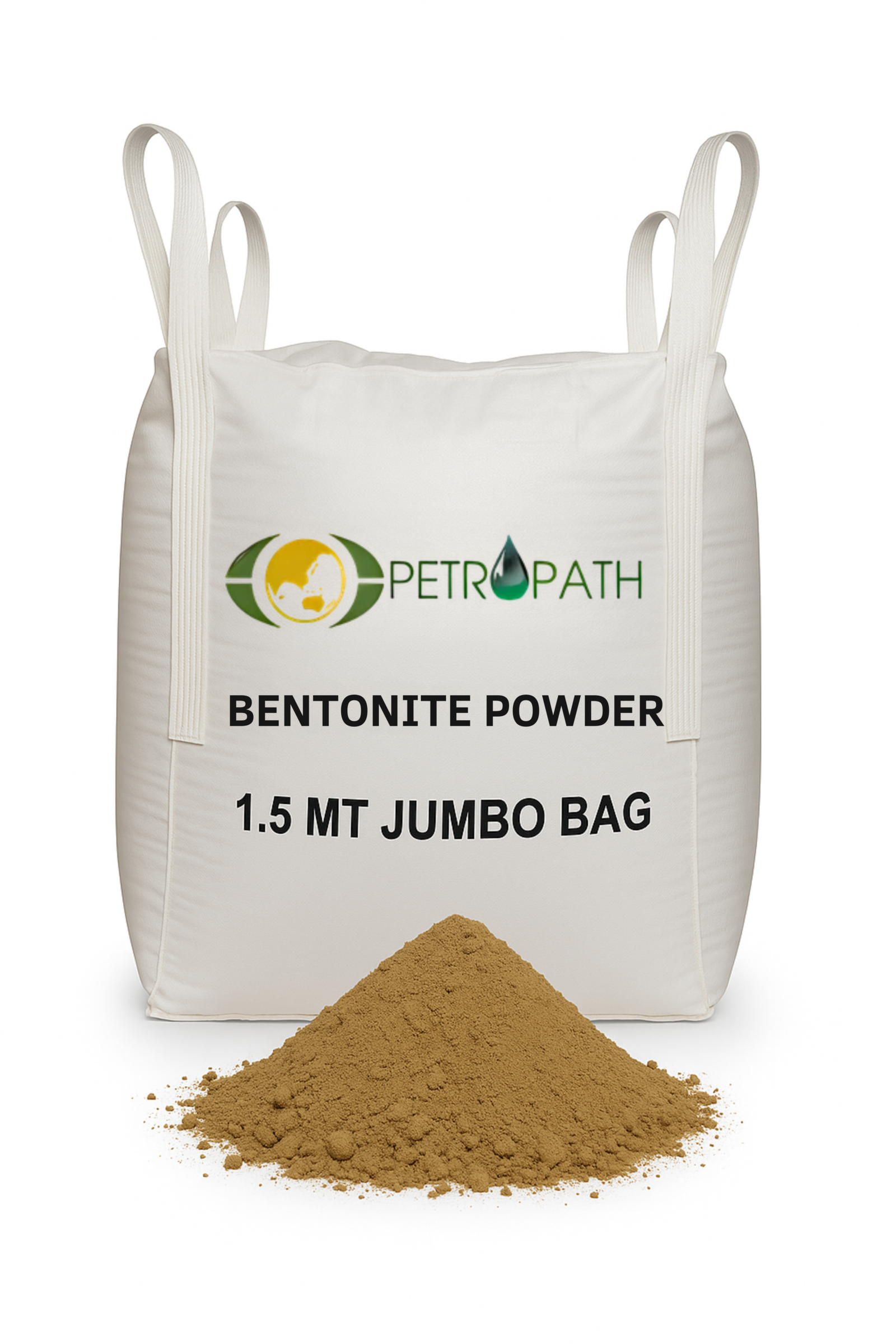
Bentonite is the foundation of most drilling fluid systems used in trenchless drilling projects. High-quality bentonite forms a stable drilling mud that provides excellent viscosity, lubrication, and filtration control.
Premium HDD Bentonite and Polymers create a protective filter cake around the borehole wall, which prevents collapse and improves overall drilling stability.
Common applications include:
Borehole stabilization
Suspension of drilling cuttings
Enhanced lubrication for drilling tools
Examples include Wyoming Sodium Bentonite and Calcium Bentonite.
2. Polymer Additives
Polymer additives are widely used HDD Drilling Fluid Additives designed to improve drilling fluid rheology and increase fluid efficiency. These additives enhance viscosity, control fluid loss, and improve cuttings transportation.
Common polymer additives include:
Polyanionic Cellulose (PAC)
Partially Hydrolyzed Polyacrylamide (PHPA)
Xanthan Gum
These polymers are particularly useful in formations where improved fluid structure and drilling stability are required.
3. Foaming Agents
Foaming agents are valuable Trenchless Drilling Chemicals used when drilling through sandy or gravel formations. These agents create foam-based drilling fluids that improve penetration rates while reducing friction and torque.
Typical foaming agents include:
Sodium Lauryl Sulfate (SLS)
Alpha Olefin Sulfonate (AOS)
By improving drilling fluid mobility, foaming agents help maintain efficient drilling progress even in difficult formations.
4. Shale Stabilizers
Shale formations can cause significant drilling challenges due to swelling and instability. Shale stabilizers are specialized HDD Chemicals that prevent clay swelling and strengthen formation stability.
Examples include:
Potassium Chloride (KCl)
Polyamine Shale Inhibitors
These additives reduce the risk of borehole collapse and ensure uninterrupted drilling operations.
5. High-Performance Lubricants
Lubricants are essential components of HDD drilling fluids because they reduce friction between drilling tools and borehole walls. High-performance lubricants help minimize torque and drag during long horizontal drilling runs.
Common lubricant types include:
Polyethylene Glycol (PEG)
Ester-Based Lubricants
These lubricants not only improve drilling efficiency but also extend the lifespan of drilling equipment.
6. pH Control Agents
Maintaining the correct pH level is critical for drilling fluid performance. pH control agents ensure that drilling fluids remain chemically stable and compatible with polymers and bentonite.
Typical pH control chemicals include:
Sodium Carbonate
Sodium Hydroxide
Proper pH balance protects drilling fluid components and ensures consistent performance during drilling operations.
7. Corrosion Inhibitors
Corrosion can significantly damage drilling equipment, pipes, and tools. Corrosion inhibitors are protective HDD Chemicals that prevent metal degradation caused by drilling fluids and environmental exposure.
Examples include:
Zinc Carbonate
Amine-Based Corrosion Inhibitors
Using corrosion inhibitors reduces maintenance costs and improves equipment longevity.
8. Biocides
Microbial contamination can degrade drilling fluids and disrupt drilling operations. Biocides eliminate bacteria and microorganisms that may affect drilling fluid stability.
Common biocides include:
Glutaraldehyde
Isothiazolinones
These additives maintain drilling fluid quality and ensure long-term operational reliability.
9. Sealants and Thinners
Sealants and thinners are specialized HDD Drilling Fluid Additives that optimize fluid properties. Sealants help reduce fluid loss into porous formations, while thinners regulate viscosity for improved fluid circulation.
Examples include:
Lignite
Tannins
Together, these additives enhance borehole stability and maintain efficient drilling fluid flow.
Applications of HDD Chemicals
Due to their versatility and performance benefits, HDD Chemicals are widely used in many infrastructure and energy projects.
Key applications include:
Oil and gas pipeline installations
Water and sewer utility crossings
Telecommunication cable installations
Power transmission projects
Road, river, and railway crossings
Urban infrastructure development
In each of these applications, properly formulated drilling fluids improve drilling accuracy, reduce environmental impact, and ensure project success
Conclusion
In modern trenchless construction, HDD Chemicals are essential for achieving efficient and reliable drilling operations. These specialized chemical formulations stabilize boreholes, enhance drilling fluid performance, reduce equipment wear, and improve overall project productivity.
From bentonite and polymer additives to lubricants, shale stabilizers, and corrosion inhibitors, every component plays a critical role in maintaining drilling efficiency. By selecting the right combination of Horizontal Directional Drilling Chemicals, contractors can successfully manage challenging geological formations while minimizing operational risks.
As infrastructure development continues to expand, the demand for high-performance HDD Drilling Fluid Additives will continue to grow. Using advanced and well-engineered chemical solutions ensures smoother drilling operations, improved safety, and long-term project success.
Looking for reliable HDD Chemicals for your upcoming drilling project? Our experts are ready to help you choose the right Horizontal Directional Drilling Chemicals and drilling fluid solutions to maximize efficiency and reduce operational challenges.
Whether you need HDD Bentonite, polymer additives, lubricants, or complete drilling fluid solutions, our technical team can provide the right products and guidance for your project requirements.
Contact us today to discuss your drilling needs and discover how our high-performance HDD Chemicals can improve your drilling efficiency and project success. 🚀