
In modern oil and gas drilling operations, maintaining accurate well pressure is essential for safe and efficient performance. Hematite for drilling fluids is widely recognized as a high-density weighting material used in demanding drilling environments. It helps operators maintain proper hydrostatic pressure, prevent formation influx, and improve overall well control.
With its superior density and excellent thermal stability, hematite for drilling fluids has become an advanced alternative when conventional weighting materials reach operational limits. It is especially valuable in deep wells, high-pressure formations, and high-temperature drilling environments.
In the drilling industry, maintaining consistent mud density is critical to avoiding well control incidents. Using hematite for drilling fluids allows engineers to achieve higher mud weights with lower solids volume, which helps maintain proper fluid rheology and drilling efficiency.
Manufacturers such as Petropath produce hematite under strict quality standards to ensure uniform particle size distribution and reliable drilling performance. This consistency makes hematite for drilling fluids an important component in modern drilling fluid engineering.
What Is Hematite for Drilling Fluids?
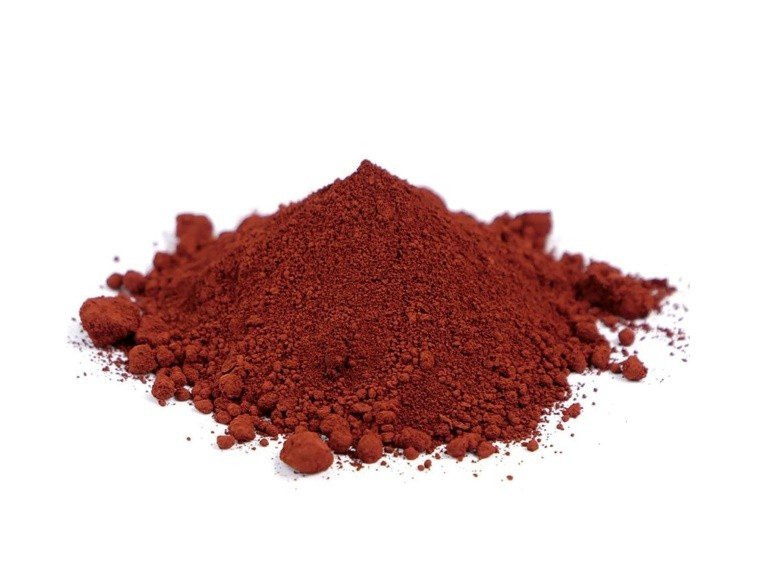
Hematite for drilling fluids is a naturally occurring iron oxide mineral with the chemical formula Fe₂O₃. It is used as a high density drilling mud additive that increases mud weight while maintaining chemical compatibility with various drilling fluid systems.
Because of its higher specific gravity compared to traditional weighting materials, hematite for drilling fluids enables operators to reach higher density mud systems without adding excessive solids. This property helps maintain better suspension characteristics and reduces issues such as sagging or settling.
As a specialized hematite weighting agent, it plays an important role in controlling formation pressure and stabilizing the wellbore during complex drilling operations.
Why Hematite for Drilling Fluids Is Used in Critical Wells
Drilling operations today require advanced fluid technologies to manage increasingly complex reservoirs. Hematite for drilling fluids is commonly used in critical wells due to its outstanding technical properties.
Some of the main advantages include:
High Specific Gravity
One of the biggest benefits of hematite for drilling fluids is its high density. With a specific gravity ranging from 5.0 to 5.3, it provides significantly higher mud weight compared to many conventional weighting materials.
Improved Pressure Control
In high-pressure formations, maintaining sufficient hydrostatic pressure is essential. Hematite for drilling fluids helps achieve this by increasing fluid density without dramatically increasing solids concentration.
Excellent HPHT Stability
High-pressure, high-temperature wells require additives that remain stable under extreme conditions. Hematite for drilling fluids maintains its structural integrity and performance even in demanding HPHT drilling environments.
Low Chemical Reactivity
Another important advantage is its compatibility with different fluid systems. Hematite for drilling fluids works effectively in water-based mud, oil-based mud, and synthetic-based mud systems.
Improved Suspension Characteristics
Proper particle size distribution improves suspension behavior in drilling fluids. This ensures hematite for drilling fluids remains evenly distributed within the mud system, preventing settling and sagging problems.
Manufacturing Quality and Process
Consistent quality is essential for any oilfield drilling fluid weighting material. The production of hematite for drilling fluids typically involves several controlled manufacturing steps to achieve reliable performance.
The manufacturing process generally includes:
• Selection of high-purity iron oxide raw materials
• Precision grinding and micronization
• Controlled particle size distribution
• Batch testing and quality verification
These processes ensure that hematite for drilling fluids provides consistent density, improved suspension stability, and predictable drilling fluid performance.
Quality assurance also includes testing for specific gravity, contamination levels, and particle size distribution. These checks ensure the product meets industry performance standards and drilling fluid design requirements.
Applications of Hematite for Drilling Fluids
Because of its superior density and stability, hematite for drilling fluids is used in a wide range of drilling and completion applications.
High-Density Drilling Mud Systems
Deep wells and high-pressure formations often require heavy drilling mud. Hematite for drilling fluids helps achieve the required mud weight efficiently.
HPHT Drilling Environments
Extreme temperature and pressure conditions demand stable additives. Hematite for drilling fluids performs reliably in these challenging drilling scenarios.
Deepwater Drilling Operations
Deepwater wells require precise pressure management. The high density of hematite for drilling fluids helps maintain stable wellbore pressure during complex offshore drilling programs.
Well Control and Pressure Management
In wells where pressure fluctuations are expected, hematite for drilling fluids provides the density required to maintain safe drilling operations.
Completion and Workover Fluids
In addition to drilling mud, hematite for drilling fluids may also be used in specialized completion or workover fluid systems requiring high density.
Hematite vs Barite – Performance Comparison
| Parameter | Hematite | Barite |
|---|---|---|
| Specific Gravity | 5.0 – 5.3 | ~4.2 |
| Mud Weight Capability | High | Moderate |
| HPHT Stability | Excellent | Moderate |
| Required Volume | Lower | Higher |
Technical Properties of Hematite for Drilling Fluids
Typical properties of hematite for drilling fluids include:
• Chemical Formula: Fe₂O₃
• Appearance: Reddish-brown powder
• Specific Gravity: 5.0 – 5.3
• Bulk Density: 2.4 – 2.6 g/cm³
• Particle Size: API specification or customized distribution
• Water Solubility: Insoluble
• pH (Suspension): Neutral
• Thermal Stability: Suitable for HPHT environments
These technical properties make hematite for drilling fluids a reliable high density drilling mud additive for demanding drilling operations.
Why Hematite Is Important for Modern Drilling
As drilling technology advances, well conditions are becoming increasingly complex. Higher reservoir pressures, deeper wells, and challenging geological formations require advanced drilling fluid solutions.
Hematite for drilling fluids provides the density, stability, and efficiency required to meet these challenges. By allowing operators to achieve higher mud weights with reduced solids content, it improves fluid performance while maintaining stable rheological properties.
Additionally, the use of hematite for drilling fluids helps reduce drilling risks associated with pressure imbalance, wellbore instability, and fluid sagging. This makes it an important component in modern drilling fluid design.
Conclusion
Hematite for drilling fluids plays a critical role in maintaining well control and improving drilling efficiency in challenging oil and gas environments. Its high specific gravity, excellent thermal stability, and strong compatibility with various drilling fluid systems make it a superior weighting material for demanding operations.
Compared with traditional additives, hematite for drilling fluids allows operators to achieve higher mud densities with lower solids volume, improving suspension characteristics and overall drilling performance.
As wells continue to reach deeper and more complex formations, hematite for drilling fluids will remain an essential solution for high-density drilling mud systems and advanced well pressure management.
Looking for a reliable supplier of hematite for drilling fluids for your drilling operations? Our technical team is ready to help you choose the right high density drilling mud additive for your well conditions and fluid system requirements.
Whether your drilling program involves HPHT wells, deep drilling projects, or specialized completion fluids, we can provide expert guidance and consistent product supply to support efficient operations.