
Hydrometer in Drilling Fluid Testing: Accurate Mud Density Measurement
Introduction
Accurate drilling fluid density is essential for maintaining wellbore stability, controlling formation pressure, and supporting safe drilling operations. The Hydrometer in Drilling Fluid Testing is a simple and reliable instrument used to determine the density or specific gravity of drilling fluids and other liquid samples.
Drilling fluid density directly affects hydrostatic pressure inside the wellbore. If the mud weight is too low, formation fluids can enter the well, potentially creating well-control challenges. If the density is too high, excessive pressure may contribute to formation damage or lost circulation. For this reason, accurate Mud Weight Measurement is an important part of routine drilling fluid monitoring.
Petropath Fluids Limited manufactures and supplies laboratory and field testing equipment designed for drilling fluid analysis and oilfield applications.
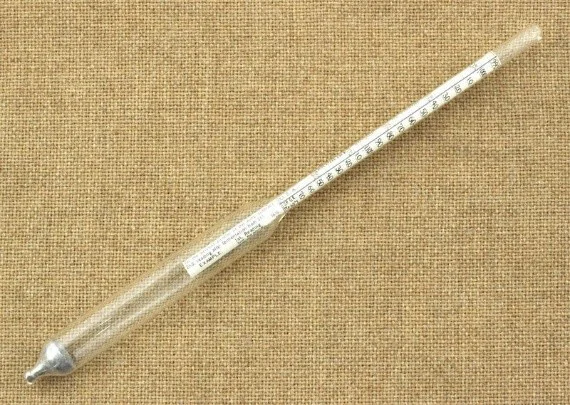
What Is a Hydrometer in Drilling Fluid Testing?
A Hydrometer in Drilling Fluid Testing is a calibrated instrument designed to determine the density or specific gravity of a liquid. The hydrometer floats in the sample, and its position indicates the density according to the graduated scale.
For drilling fluid laboratories and rig-site operations, a hydrometer provides a straightforward method for checking fluid density without relying on complex electronic systems. Its simple construction makes it practical for routine Drilling Mud Density Testing.
Hydrometers can also be used for comparison and verification of density measurements obtained using other testing instruments. This can help laboratory personnel maintain consistency during drilling fluid quality-control procedures.
Why Is Mud Density Important in Drilling Operations?
Mud density plays a critical role in maintaining the pressure balance between the wellbore and surrounding formations. Drilling fluids are formulated to provide sufficient hydrostatic pressure to help control formation fluids while supporting efficient drilling.
Regular Hydrometer in Drilling Fluid Testing can help drilling teams identify changes in fluid density during drilling operations. Factors such as solids concentration, chemical additions, dilution, contamination, and temperature can influence drilling fluid properties.
Consistent monitoring allows drilling personnel to make appropriate fluid-treatment decisions and maintain the required drilling-fluid specifications.
Key Features of Petropath Hydrometer
Petropath’s Drilling Fluid Hydrometer is designed for practical use in drilling fluid laboratories, field locations, and oilfield testing environments.
Key features include:
- Calibrated Measurement: Designed for accurate liquid density or specific gravity readings.
- Clear Graduations: An easy-to-read scale supports straightforward sample measurement.
- Durable Construction: Borosilicate glass construction with internal ballast provides practical laboratory durability.
- Portable Design: Lightweight construction makes the instrument suitable for field and laboratory applications.
- Simple Operation: No external power source is required for basic measurement.
- Low Maintenance: The straightforward design allows easy cleaning and routine handling.
- Wide Measurement Capability: Suitable for testing a range of drilling fluid densities.
These features make the instrument useful for routine Hydrometer in Drilling Fluid Testing where simplicity and repeatable measurements are important.
Technical Specifications
Typical specifications for the Petropath hydrometer include:
- Measurement Range: 0.95–2.50 g/cm³
- Graduation Interval: 0.01 g/cm³
- Accuracy: ±0.001 g/cm³
- Material: Borosilicate glass with ballast
- Length: Approximately 250–300 mm
- Temperature Range: 0°C–60°C
- Application: Drilling fluid and liquid density measurement
Specifications may vary according to the selected model and configuration. Users should confirm the applicable product specification before purchasing or using the instrument.
How Hydrometers Support Drilling Mud Density Testing
A Hydrometer in Drilling Fluid Testing can be incorporated into routine laboratory quality-control procedures. A representative drilling fluid sample is placed in a suitable container, and the clean, dry hydrometer is carefully introduced into the liquid.
Once the instrument stabilizes and floats freely, the reading is observed at the appropriate point on the graduated scale. The measured value can then be recorded and compared with the required drilling-fluid specification.
Proper sample preparation and correct reading technique are important for obtaining reliable results. Temperature, entrained air, contamination, and improper instrument handling can affect measurements and should be controlled wherever possible.
Applications in the Oil & Gas Industry
The Drilling Fluid Hydrometer can be used across a variety of oilfield and laboratory environments, including:
Mud Laboratories
Laboratories use hydrometers for routine density verification and drilling fluid quality control.
Drilling Rigs
Field personnel can use portable density-testing instruments for on-site monitoring of drilling fluid properties.
Cementing Operations
Density measurement can also support testing of cement slurries and other liquid formulations where applicable.
Petroleum Engineering Institutes
Training laboratories can use hydrometers to demonstrate fundamental fluid-density measurement principles.
Research and Development
R&D teams can use density measurements when evaluating drilling fluid formulations and comparing fluid properties.
Benefits of Using a Drilling Fluid Hydrometer
A reliable hydrometer offers several practical benefits for drilling operations and laboratories.
Accurate Density Monitoring: Consistent density readings support effective drilling-fluid quality control.
Simple Operation: The instrument does not require complicated electronic controls or an external power supply.
Portable Testing: Its lightweight construction makes it practical for field and laboratory environments.
Cost-Effective Measurement: A simple mechanical instrument can provide an economical method for routine density checks.
Operational Support: Reliable Mud Weight Measurement helps drilling teams monitor fluid properties and respond to changes in drilling conditions.
Why Choose Petropath Fluids Limited?
Petropath Fluids Limited provides drilling fluid testing equipment for oilfield laboratories and drilling applications. Its product range supports various drilling fluid analysis and quality-control requirements.
When selecting a Hydrometer in Drilling Fluid Testing, users should consider measurement range, accuracy, construction material, calibration requirements, and compatibility with their testing procedures.
Petropath focuses on supplying practical equipment designed for routine drilling fluid analysis, supported by technical knowledge of oilfield testing requirements.
Conclusion
The Hydrometer in Drilling Fluid Testing remains a practical instrument for measuring drilling fluid density and supporting routine oilfield quality-control procedures. Its simple operating principle, portability, and ease of use make it suitable for mud laboratories, drilling rigs, educational facilities, and research environments.
Accurate Drilling Mud Density Testing helps drilling teams monitor fluid properties and maintain appropriate mud-weight conditions throughout drilling operations. When combined with proper sample preparation, testing procedures, and quality-control practices, a reliable hydrometer can become an important part of a drilling fluid testing program.
Petropath Fluids Limited provides drilling fluid testing solutions designed to support accurate and dependable fluid analysis across laboratory and field applications