
Lubricity Meter for Drilling Fluid Testing: 7 Proven Ways to Boost Drilling Efficiency
🚀 Introduction
In today’s complex oil and gas drilling environment, controlling friction, torque, and wear is essential for operational success. A lubricity meter for drilling fluid testing plays a critical role in helping engineers maintain optimal drilling performance.
This advanced laboratory instrument is specifically designed to evaluate how effectively drilling fluids reduce friction under simulated downhole conditions. With accurate lubricity insights, operators can minimize risks, improve efficiency, and extend equipment life.
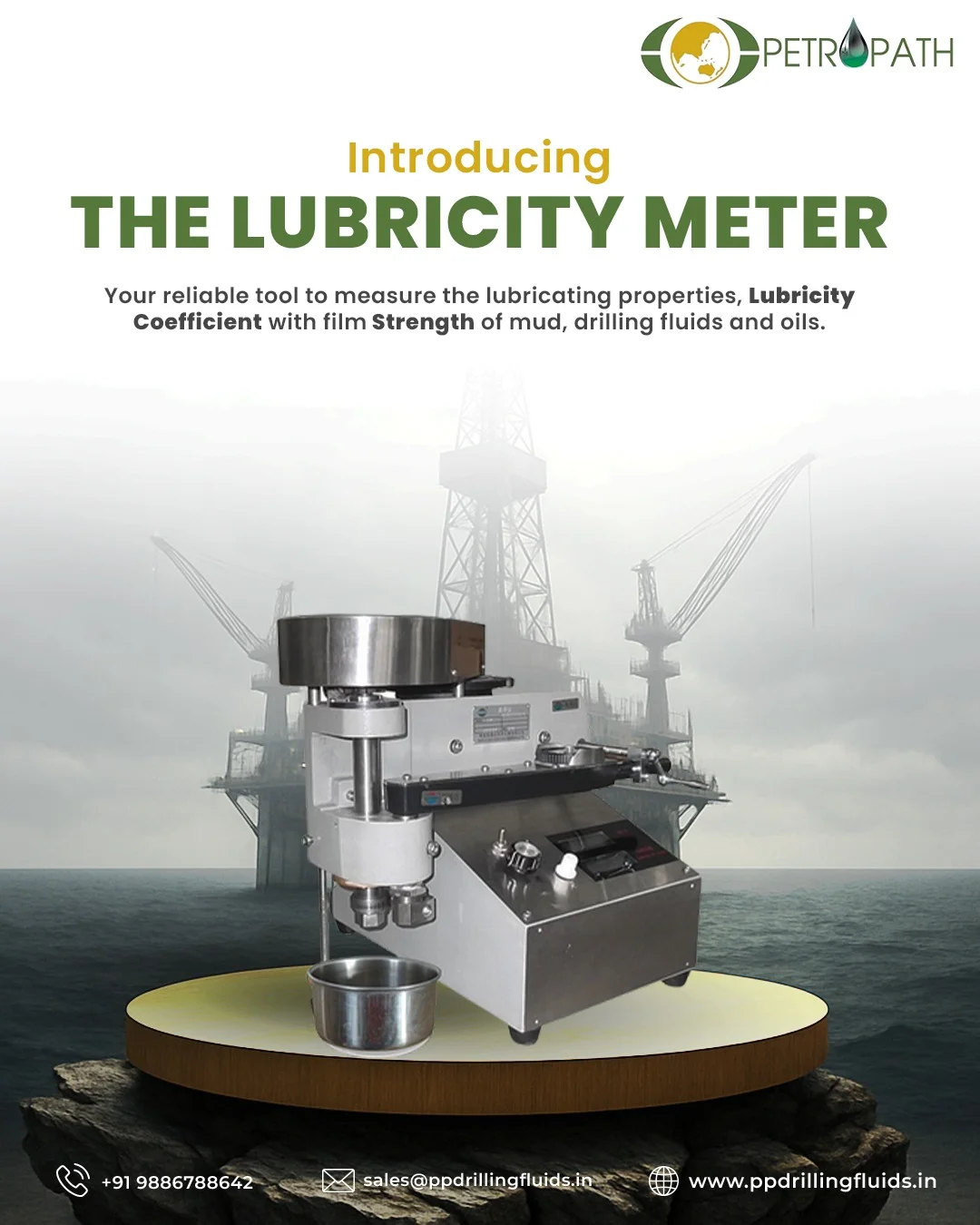
🧪 What is a Lubricity Meter for Drilling Fluid Testing?
A lubricity meter for drilling fluid testing is a specialized device used to measure the friction-reducing properties of drilling fluids. It simulates real-world drilling conditions by applying controlled pressure and rotational force between metal surfaces.
This allows engineers to assess:
- Lubricity coefficient measurement
- Film strength performance
- Torque and drag behavior
- Friction reduction efficiency
By using a drilling fluid lubricity meter, teams can fine-tune mud formulations before and during drilling operations, ensuring smoother performance and fewer operational challenges.
⚙️ Understanding Key Lubricity Parameters
🔹 Lubricity in Drilling Fluids
Lubricity refers to the ability of drilling fluids to reduce friction between the drill string, casing, and wellbore. High lubricity ensures:
- Lower torque and drag
- Reduced mechanical wear
- Improved drilling speed
In oilfield operations, effective oil and gas lubricity testing is essential to maintaining consistent performance.
🔹 Lubricity Coefficient Measurement
The lubricity coefficient is a numerical representation of friction levels between surfaces. Lower values indicate better lubrication and smoother drilling.
Accurate lubricity coefficient measurement helps engineers:
- Select the right lubricants
- Optimize fluid composition
- Prevent equipment damage
🔹 Film Strength Evaluation
Film strength determines the ability of drilling fluid to maintain a protective layer under pressure. Without sufficient film strength:
- Metal-to-metal contact increases
- Tool wear accelerates
- Risk of failure rises
A drilling mud lubricity test ensures that the fluid maintains protective integrity even in extreme conditions.
🌍 Why Lubricity Testing is Critical in Oil & Gas
Drilling operations often face challenges like high torque, stuck pipes, and excessive wear. These issues are frequently caused by poor lubrication.
Using a lubricity meter for drilling fluid testing, operators can:
- Detect lubrication issues early
- Reduce non-productive time (NPT)
- Improve wellbore stability
- Enhance operational safety
This makes lubricity testing a non-negotiable step in modern drilling workflows.
🏆 7 Proven Benefits of Using a Lubricity Meter
1. Reduces Torque and Drag
Accurate lubricity data helps minimize resistance during drilling, ensuring smoother operations.
2. Prevents Stuck Pipe Incidents
By improving lubrication, the risk of pipe sticking is significantly reduced.
3. Extends Equipment Life
Lower friction means less wear on drill strings and tools.
4. Optimizes Mud Formulations
Engineers can adjust additives based on real-time lubricity insights.
5. Improves Drilling Efficiency
Better lubrication leads to faster and more accurate drilling.
6. Supports Both OBM and WBM Systems
A high-quality drilling fluid lubricity meter works efficiently with oil-based and water-based mud systems.
7. Reduces Operational Costs
Less downtime and equipment failure translate to significant cost savings.
🛠️ Applications of Lubricity Meter in Drilling Operations
A lubricity meter for drilling fluid testing is widely used across various oilfield applications:
- Testing oil-based mud (OBM) and water-based mud (WBM)
- Monitoring lubricity during active drilling
- Evaluating lubricant additives
- Controlling torque and drag
- Enhancing wellbore stability
These applications make it an indispensable tool for drilling engineers and laboratory professionals.
🔬 How Lubricity Testing Improves Drilling Performance
Poor lubricity can severely impact drilling operations, leading to delays and increased costs. With precise oil and gas lubricity testing, operators gain actionable insights.
Using a lubricity meter for drilling fluid testing, teams can:
- Identify friction issues early
- Adjust fluid properties in real-time
- Maintain consistent drilling performance
- Reduce mechanical failures
This proactive approach ensures smooth drilling operations from start to finish.
🌟 Why Choose a High-Quality Lubricity Meter?
Not all testing equipment delivers accurate results. A high-performance lubricity meter should offer:
- High precision and repeatability
- Durable construction for field and lab use
- Easy calibration and maintenance
- Compatibility with various drilling fluids
Choosing the right equipment ensures reliable data and better decision-making in drilling operations.
✅ Conclusion
A lubricity meter for drilling fluid testing is more than just a laboratory instrument—it is a critical tool for optimizing drilling performance, reducing risks, and improving operational efficiency.
From accurate lubricity coefficient measurement to enhanced film strength evaluation, this device empowers engineers to make data-driven decisions that directly impact drilling success.
As oil and gas operations continue to evolve, investing in reliable lubricity testing equipment is essential for achieving safer, faster, and more cost-effective drilling outcomes.