
Lubricity Meter for Drilling Fluid Testing: Precision Tool for High-Performance Drilling Operations
Introduction
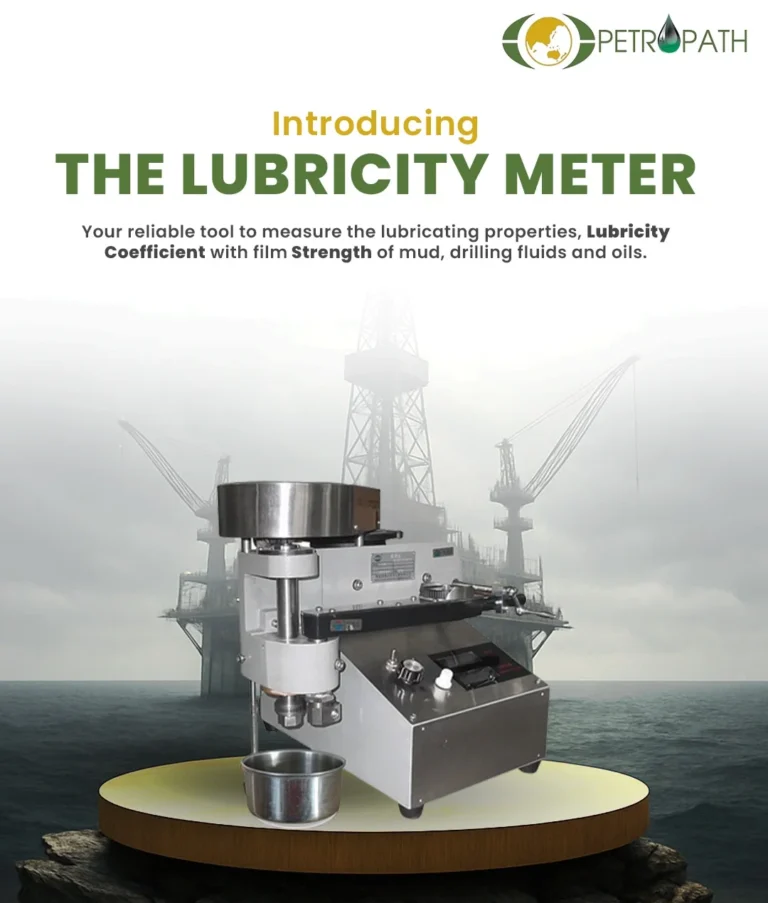
What is a Lubricity Meter for Drilling Fluid Testing?
A Lubricity Meter for Drilling Fluid Testing is a specialized laboratory instrument used to assess how effectively drilling fluids reduce friction between metal surfaces. By replicating real downhole torque and drag conditions, this device allows engineers to optimize mud formulations before and during drilling operations.
The instrument provides reliable data for:
Lubricity coefficient measurement
Film strength evaluation
Torque and drag simulation
Friction reduction analysis
These insights help drilling teams prevent stuck pipes, excessive wear, and costly non-productive time (NPT).
Understanding Key Lubricity Parameters
Lubricity in Drilling Fluids
Lubricity refers to the ability of a drilling fluid to reduce friction between drill strings, casing, and the wellbore. High lubricity results in smoother drilling, reduced torque, and lower equipment stress.
Lubricitimeter Explained
A lubricitimeter for oil and gas applications is another term commonly used for a lubricity meter. It is designed to deliver precise and repeatable lubricity readings for both laboratory and field testing.
Lubricity Coefficient
The lubricity coefficient is a numerical value representing friction levels. Lower values indicate better lubrication and improved drilling performance. Accurate measurement is essential for selecting the right additives and lubricants.
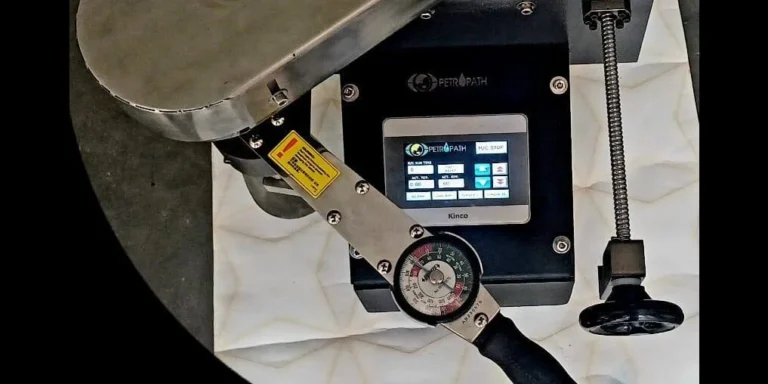
Importance of Film Strength in Drilling Operations
Why Choose Petropath’s Lubricity Meter???
Petropath is a trusted manufacturer of mud lubricity testing equipment serving oilfields across the Middle East, Asia, and global energy markets. Our lubricity meter is engineered for durability, accuracy, and ease of operation.
Key Benefits
✔ High-precision lubricity coefficient measurement
✔ Accurate evaluation of film strength and friction behavior
✔ Robust construction suitable for lab and field environments
✔ Simple calibration with minimal maintenance
✔ Compatible with OBM and WBM systems
Our Lubricity Meter for Drilling Fluid Testing is widely used in Saudi Arabia, UAE, Kuwait, and other major oil-producing regions.
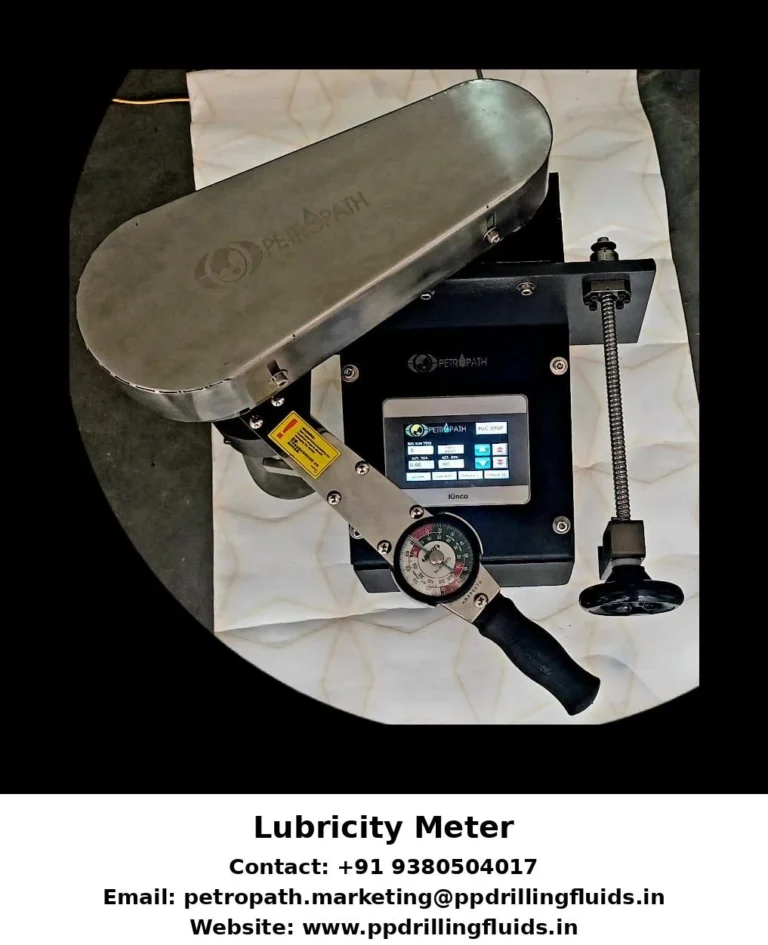
Applications of Lubricity Meter in Oil & Gas
The versatility of a drilling fluid lubricity meter makes it an essential tool across multiple drilling scenarios:
Testing oil-based mud (OBM) and water-based mud (WBM)
Monitoring lubricity during active drilling operations
Evaluating lubricant and additive performance
Reducing torque, drag, and mechanical wear
Enhancing drilling efficiency and wellbore stability
How Lubricity Testing Improves Drilling Efficiency
Poor mud lubricity is a leading cause of drilling challenges such as stuck pipe incidents, high torque, and premature tool failure. With accurate lubricity data, operators can proactively adjust fluid properties.
Using Petropath’s Lubricity Meter for Drilling Fluid Testing, drilling engineers can:
Optimize mud formulations
Minimize drilling risks
Reduce operational downtime
Improve drilling speed and accuracy
Extend drilling tool lifespan
It primarily measures the Lubricity Coefficient (a numerical value of how “slippery” a fluid is) and Film Strength (the fluid’s ability to maintain a protective barrier between metal surfaces under pressure). Lower lubricity coefficient values indicate better lubrication and smoother operations.
The device simulates drill string and wellbore contact by pressing a stationary steel block against a rotating steel ring (or bob) while both are immersed in a circulating bath of the test drilling fluid. A specific load (often 150 inch-pounds, replicating high downhole pressures) is applied, and the resulting torque is used to calculate the fluid’s friction.
Yes, modern lubricity testers are designed to handle Water-Based Muds (WBM), Oil-Based Muds (OBM), Synthetic-Based Muds (SBM), and fluids with high solid contents.
While both utilize similar block-and-ring apparatuses, a lubricity test typically operates at a lower, standard shear rate (e.g., 60 RPM) to measure daily fluid resistance and additive performance. An EP test operates at much higher speeds and pressures (up to 1,000 RPM and 100,000 PSI) to measure the ultimate film strength and failure point of the fluid.
Routine cleaning of the wheel race and testing blocks is required to remove old additives and ensure accurate adhesion for new tests. Devices require calibration every 6 to 12 months depending on usage. Safety-wise, operators must ensure secure equipment mounting, wear proper protective gear, and avoid contact with moving parts during high-load tests.
Trusted Lubricity Testing Solution by Petropath
We offer global shipping, technical support, and customization options. Choose Petropath – where innovation meets precision.