
🛢️ Oil Line Corrosion Inhibitor: Advanced Pipeline Protection for Oil & Gas Systems
Corrosion is one of the most critical challenges in oil and gas operations. From production wells to transportation pipelines, metallic infrastructure is constantly exposed to aggressive elements like CO₂, H₂S, salts, and water. Without proper protection, this exposure leads to severe damage, operational failures, and high maintenance costs.
This is where a high-performance Oil Line Corrosion Inhibitor becomes essential. Designed to protect pipelines and production systems, this advanced chemical solution ensures long-term integrity and efficiency across oilfield operations.
⚙️ What is an Oil Line Corrosion Inhibitor?
An Oil Line Corrosion Inhibitor is a specialized chemical formulated to prevent internal corrosion in pipelines, tubing, and oilfield equipment. It works by forming a protective barrier on metal surfaces, shielding them from corrosive substances present in crude oil and associated fluids.
In oilfield environments, corrosion is accelerated due to:
Carbon dioxide (CO₂)
Hydrogen sulfide (H₂S)
Dissolved oxygen
High salinity water
Multiphase fluid flow
Using a reliable Oil Line Corrosion Inhibitor helps mitigate these risks and ensures uninterrupted production.
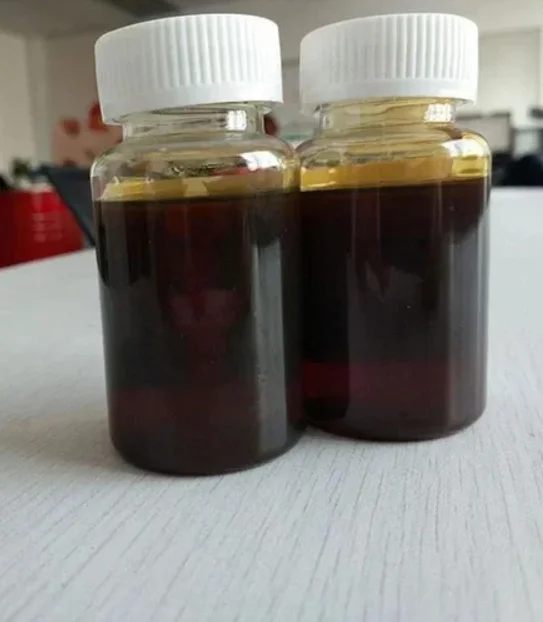
🚀 Why Corrosion Protection is Critical in Oil Pipelines
Pipeline corrosion can lead to serious operational and financial consequences. Metal loss, leaks, and structural failures not only disrupt production but also pose safety and environmental risks.
A well-formulated Oil Line Corrosion Inhibitor plays a key role in:
Maintaining pipeline integrity
Reducing repair and maintenance costs
Preventing unplanned shutdowns
Enhancing safety in oilfield operations
By implementing an effective corrosion control program, operators can significantly extend the lifespan of their infrastructure.
🧪 How Oil Line Corrosion Inhibitor Works
The effectiveness of an Oil Line Corrosion Inhibitor lies in its advanced film-forming mechanism. This multi-step process ensures long-lasting protection:
1. Adsorption
The inhibitor molecules attach to the metal surface through chemical interaction.
2. Film Formation
A thin yet durable protective layer forms across the metal.
3. Barrier Protection
This film isolates the metal from corrosive agents like CO₂, H₂S, and saline water.
4. Corrosion Reduction
Electrochemical reactions responsible for corrosion are minimized, slowing down metal degradation.
This mechanism makes the Oil Line Corrosion Inhibitor highly effective even in harsh oilfield conditions.
🌍 Key Benefits of Oil Line Corrosion Inhibitor
Using an advanced Oil Line Corrosion Inhibitor offers several operational advantages:
Provides strong corrosion protection in pipelines and flow lines
Prevents damage caused by CO₂, H₂S, and oxygen
Forms a durable protective film on metal surfaces
Works effectively in high salinity environments
Suitable for high-temperature oilfield conditions
Compatible with both sweet and sour crude systems
Reduces equipment downtime and maintenance costs
Improves overall pipeline reliability
These benefits make it a vital component in modern oilfield chemical programs.
🏭 Applications Across Oil & Gas Industry
The Oil Line Corrosion Inhibitor is widely used across multiple oil and gas systems:
🔹 Oil & Gas Production
Wellhead equipment
Production tubing and casing
Downhole systems
🔹 Pipeline Transportation
Crude oil pipelines
Multiphase pipelines
Gas transportation systems
🔹 Storage & Handling
Storage tanks
Tank farm pipelines
Loading and transfer systems
🔹 Refineries & Processing Plants
Process pipelines
Heat exchangers
Distillation units
🔹 Water Injection Systems
Produced water pipelines
Injection wells
Disposal systems
This versatility makes the Oil Line Corrosion Inhibitor essential across the entire oil value chain.
⚡ Recommended Dosage & Application
The typical dosage for an Oil Line Corrosion Inhibitor ranges between:
20 – 200 ppm
However, the exact dosage depends on:
Water content in crude oil
CO₂ and H₂S concentration
Temperature and pressure
Flow conditions
Corrosion rate
Injection Methods:
Continuous injection systems
Batch treatment
Wellhead injection
Downhole capillary systems
Pipeline pigging
Proper monitoring and field testing ensure optimal performance.
📦 Storage and Handling Guidelines
To maintain effectiveness, the Oil Line Corrosion Inhibitor should be handled carefully:
Store in a cool, ventilated area
Avoid direct sunlight and heat exposure
Keep containers tightly sealed
Use protective gear during handling
Shelf Life: Up to 24 months under recommended conditions.
🛡️ Advantages for Oilfield Operations
Implementing a high-quality Oil Line Corrosion Inhibitor delivers long-term benefits:
✔ Extends pipeline lifespan
✔ Prevents corrosion-related failures
✔ Enhances operational safety
✔ Reduces maintenance expenses
✔ Ensures consistent production
These advantages directly contribute to improved efficiency and profitability.
Active molecules in the inhibitor chemically adhere (adsorb) to the metal’s internal surface, forming a barrier that repels water and prevents corrosive gases from reacting with the steel.
Common types include film-forming amines , imidazolines , and quaternary ammonium compounds . They can be oil-soluble, water-soluble, or mixed, depending on the fluid conditions.
They are typically introduced either via continuous injection (e.g., at wellheads) or through periodic batch treatments to maintain system integrity.
No. Inhibitors are preventive tools; they must be paired with detective tools like inline inspection, pigging, and regular corrosion monitoring.
🏆 Why Choosing the Right Corrosion Inhibitor Matters
Not all corrosion inhibitors perform equally under oilfield conditions. Selecting the right Oil Line Corrosion Inhibitor ensures compatibility with your system and maximum protection efficiency.
A high-performance solution should:
Work in extreme environments
Be compatible with crude systems
Provide long-lasting film protection
Be easy to apply and monitor
Choosing the right product can significantly impact your pipeline performance and operational success.
📢 Final Thoughts
Corrosion remains a major challenge in oil and gas infrastructure, but it can be effectively controlled with the right chemical solution. A reliable Oil Line Corrosion Inhibitor not only protects pipelines and equipment but also enhances operational efficiency and safety.
Investing in advanced corrosion protection is not just a maintenance strategy—it’s a long-term asset protection solution for sustainable oilfield operations.