
pH Control Agents: The Key to Stable and Efficient Drilling Fluids
Introduction
Maintaining the correct chemical balance is essential for reliable drilling operations. pH Control Agents help regulate the acidity and alkalinity of drilling fluids, supporting consistent fluid properties and the performance of essential chemical additives. In oil and gas exploration, horizontal directional drilling (HDD), mining, and water well drilling, effective pH management contributes to operational efficiency and fluid stability.
When drilling fluid pH moves outside the desired range, chemical reactions can change, additive performance may decline, and corrosion risks can increase under certain conditions. Selecting suitable pH Control Agents helps operators maintain the required chemical environment, improve fluid management, and reduce avoidable operational complications.
Petropath Fluids Ltd. provides specialized drilling fluid chemicals designed to support demanding drilling applications and consistent field performance.
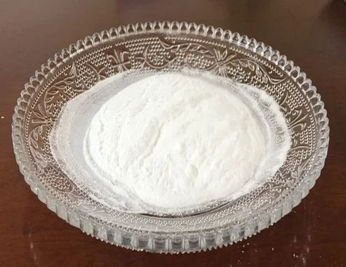
What Are pH Control Agents?
pH Control Agents are chemical products used to adjust or maintain the pH of drilling fluids according to the requirements of a particular fluid system. Depending on their formulation, these products can increase alkalinity, neutralize acidity, or help maintain the desired chemical balance.
In water-based drilling systems, pH influences the behavior of several fluid additives, including viscosifiers, fluid-loss control agents, and certain dispersants. Appropriate pH management helps these components perform as intended and supports predictable drilling fluid characteristics.
The correct product depends on the fluid formulation, water chemistry, formation conditions, and operational requirements. Consequently, selecting suitable drilling fluid additives should involve evaluating the complete system rather than considering pH in isolation.
Why Drilling Fluid pH Control Matters
Effective drilling fluid pH control supports the chemical and physical performance of drilling fluids throughout drilling operations.
1. Supports Additive Performance
Many drilling fluid chemicals perform best within a defined pH range. Maintaining suitable conditions helps preserve the intended functionality of selected additives and reduces the risk of unwanted chemical interactions.
2. Helps Manage Corrosion Risks
Acidic conditions can contribute to corrosion in susceptible metal components. Appropriate pH management can help reduce certain corrosion risks, although corrosion protection also depends on temperature, dissolved salts, oxygen, contaminants, and material selection.
3. Promotes Fluid Stability
Changes in pH can affect clay hydration, polymer behavior, and interactions between suspended particles. Maintaining the recommended pH range helps support consistent fluid properties and more predictable system performance.
4. Improves Operational Consistency
Regular pH monitoring and controlled chemical treatment help drilling teams identify imbalances before they develop into larger fluid-management problems. This supports more consistent operations and informed chemical usage.
Key Applications of pH Control Agents
pH Control Agents are used in various drilling environments where chemical balance is important.
Oil and gas drilling: Support the management of water-based drilling fluids under changing downhole conditions.
Horizontal directional drilling: Help maintain suitable fluid chemistry for borehole cleaning, soil transport, and drilling fluid performance.
Mining and mineral exploration: Support fluid management in drilling operations that use water-based systems.
Water well drilling: Help maintain appropriate chemical conditions for drilling fluid preparation and circulation.
Product selection and treatment requirements vary by application, water quality, and drilling fluid formulation. Always follow the manufacturer’s technical guidance and site-specific procedures.
How pH Control Agents Improve Drilling Fluid Stability
The effectiveness of pH Control Agents depends on their chemical composition and how they interact with the drilling fluid.
Alkalinity-adjusting products can raise pH when a system requires a higher alkaline range. Other formulations may help neutralize acidic contamination or correct an excessive pH level. The treatment objective should be determined through testing rather than applying a fixed quantity without considering the existing fluid condition.
A controlled treatment program generally involves measuring the initial pH, identifying the required target, selecting a compatible product, and introducing it gradually while monitoring the results. This process helps prevent unnecessary chemical additions and supports better control over drilling fluid stability.
It is important to note that pH correction alone does not resolve every fluid-performance issue. Viscosity, filtration, solids content, contamination, and other relevant properties should also be evaluated.
Recommended Dosage and Application Methods
The appropriate dosage of pH Control Agents depends on the starting pH, desired target, fluid volume, water chemistry, and product concentration. There is no universal dosage suitable for every drilling fluid system.
For reliable application, drilling personnel should:
Measure the initial pH using a suitable, calibrated instrument.
Review the product technical data sheet and recommended treatment range.
Conduct a laboratory compatibility or treatment test when appropriate.
Add the product gradually using the approved mixing procedure.
Allow adequate mixing and recheck the pH.
Monitor other relevant fluid properties before continuing operations.
Depending on the product formulation, treatment may involve direct addition to a properly mixed fluid system or preparation of a compatible solution before dosing. Follow the manufacturer’s instructions for mixing, handling, and application.
Storage, Packaging, and Safe Handling
Proper storage helps preserve the quality and performance of oilfield chemical additives. Products should be stored in their original, clearly labelled packaging under the conditions specified by the manufacturer.
Depending on the supplied formulation, available packaging may include 25 kg bags, 50 kg bags, or jumbo bags. Confirm the actual packaging options with the supplier before placing an order.
Keep containers sealed when not in use, protect moisture-sensitive materials from exposure, and maintain suitable ventilation. Personnel should follow the product safety data sheet, wear the specified protective equipment, and use appropriate procedures for handling, spills, and disposal.
Choosing the Right pH Control Agents for Your Operation
Selecting suitable pH Control Agents requires consideration of more than the target pH. Operators should assess fluid composition, treatment compatibility, expected operating conditions, handling requirements, and the manufacturer’s technical recommendations.
A reliable supplier should provide consistent product quality, appropriate technical documentation, and guidance for evaluating application requirements. Testing the product within the intended drilling fluid system can help confirm compatibility before large-scale treatment.
Petropath Fluids Ltd. supports drilling operations with specialized drilling fluid additives and oilfield chemical solutions. Its product range is intended to address the varied requirements of drilling professionals working across challenging operational environments. Contact the company to discuss product specifications, application suitability, and packaging availability.
Conclusion
pH Control Agents play an important role in maintaining suitable chemical conditions in water-based drilling fluids. By supporting additive compatibility, fluid stability, and controlled chemical treatment, they help drilling teams manage fluid performance across oil and gas, HDD, mining, and water well applications.
A systematic approach that combines pH measurement, appropriate product selection, controlled dosing, and regular monitoring delivers more reliable results than applying chemicals without testing. For application-specific guidance and suitable drilling fluid additives, consult Petropath Fluids Ltd. and follow the relevant technical and safety documentation.