
Resinated Lime for Drilling Fluids: Complete Guide for Better Mud Performance
In modern oil and gas drilling, maintaining the right chemical balance in drilling fluids is essential for efficient and safe operations. One of the most critical additives used today is Resinated Lime for drilling fluids, a high-performance solution designed to control alkalinity and remove harmful contaminants.
Unlike traditional lime products, this advanced additive offers controlled solubility and gradual alkalinity release. This ensures consistent performance even in complex downhole conditions, making it a preferred choice for engineers working with water-based mud systems.
Whether you are dealing with pH fluctuations, carbonate contamination, or poor hole cleaning, Resinated Lime provides a reliable and efficient solution.
What is Resinated Lime for Drilling Fluids?
Resinated Lime for drilling fluids is a specially treated calcium hydroxide-based additive used to regulate pH and maintain alkalinity in drilling mud systems. Its resinated surface allows slow and controlled release, ensuring stability in fluid chemistry.
This makes it more effective than conventional lime, especially in challenging drilling environments where consistency is crucial.

Key Functions of Resinated Lime
The effectiveness of Resinated Lime for drilling fluids lies in its multi-functional role:
- Maintains and increases drilling fluid pH
- Works as an alkalinity buffer drilling mud systems rely on
- Supports carbonate removal drilling fluid operations
- Neutralizes acidic contaminants
- Enhances hole cleaning efficiency
- Stabilizes drilling fluid properties
- Improves additive and polymer performance
Working Principle
The performance of Resinated Lime for drilling fluids is based on controlled chemical reactions:
- Gradually releases calcium hydroxide (Ca(OH)₂)
- Increases alkalinity and stabilizes pH
- Maintains excess lime reserve for buffering
- Reacts with carbonate and bicarbonate ions
- Converts soluble contaminants into insoluble particles
- Enables removal via solids control equipment
This process results in cleaner drilling fluids, better rheology, and improved operational efficiency.
7 Powerful Benefits of Resinated Lime
Using Resinated Lime for drilling fluids offers several advantages:
1. Superior pH Stability
Ensures consistent alkalinity even under changing drilling conditions.
2. Effective Carbonate Removal
Transforms harmful carbonates into removable solids.
3. Improved Hole Cleaning
Enhances removal of drilled solids for smoother operations.
4. Strong Contamination Control
Neutralizes acids and unwanted chemicals in the system.
5. Enhanced Fluid Stability
Maintains proper viscosity and rheology.
6. Reduced Equipment Corrosion
Protects drilling tools by maintaining alkaline conditions.
7. Better Additive Compatibility
Works efficiently with polymers and other mud chemicals.
Applications in Oil & Gas Drilling
1. pH Control and Alkalinity Maintenance
Resinated Lime for drilling fluids is widely used as a drilling fluid pH control chemical to maintain stable mud conditions.
2. Carbonate Removal
It plays a key role in carbonate removal drilling fluid systems, ensuring cleaner mud.
3. Hole Cleaning Enhancement
Acts as a reliable oilfield lime additive to improve drilling efficiency.
4. Contamination Control
Supports drilling mud contamination control by neutralizing acids.
5. Fluid Stabilization
Maintains consistent drilling performance by stabilizing fluid properties.
Technical Specifications
Parameter | Specification |
|---|---|
| Product Name | PP – Resinated Lime |
| Chemical Base | Calcium Hydroxide (Ca(OH)₂) |
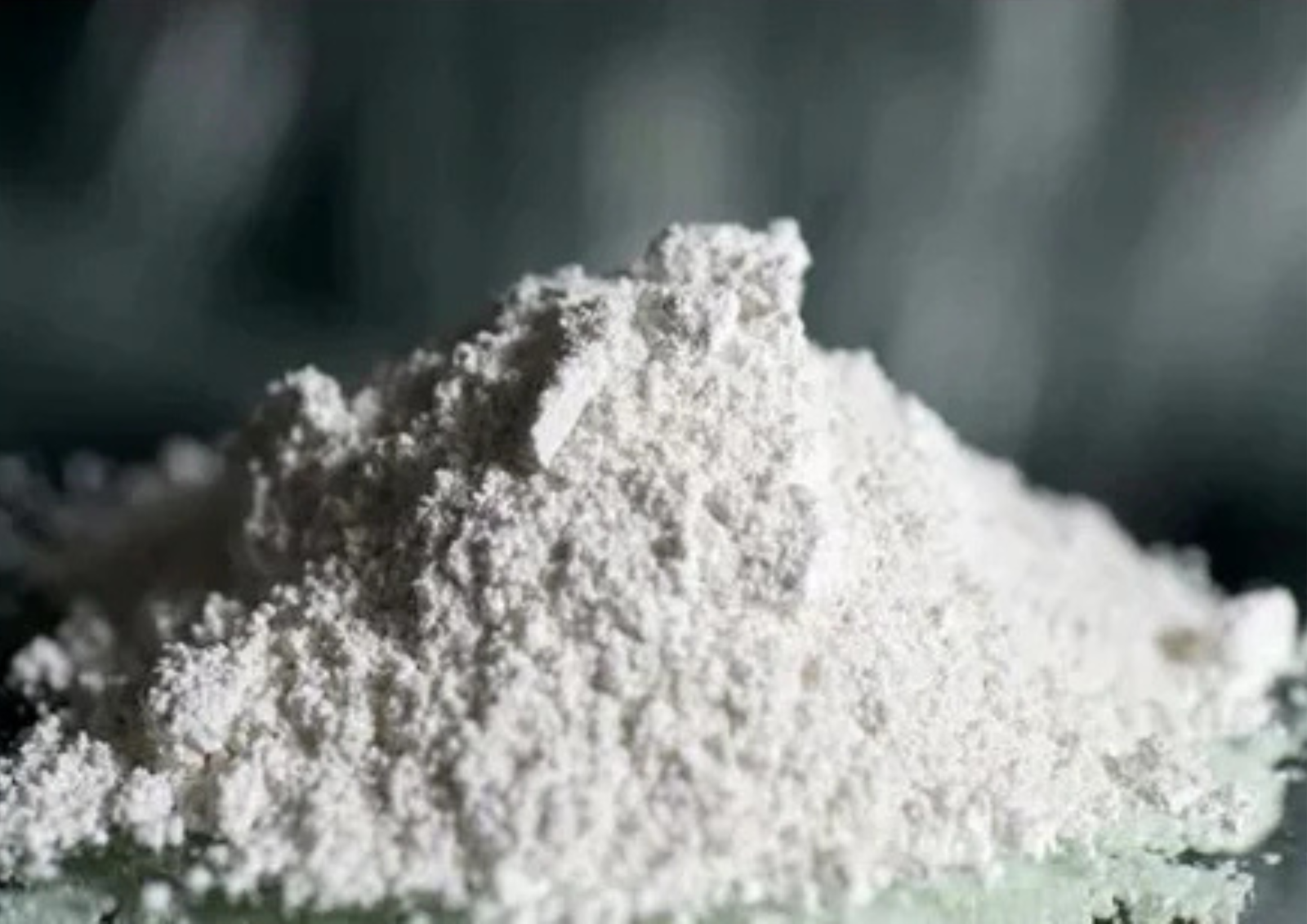
| Appearance | Off-white to light grey powder |
| Solubility | Controlled / slightly soluble |
| pH (1% Solution) | 12 – 13 |
| Specific Gravity | 2.2 – 2.4 |
| Moisture Content | Low |
| Application | Alkalinity buffer / carbonate control |
Compatibility with Drilling Systems
Resinated Lime for drilling fluids is highly compatible with:
- Water-based mud (WBM) systems
- Bentonite and clay-based fluids
- Polymer drilling fluids
- Standard oilfield additives
It works effectively alongside:
- Caustic soda
- Soda ash
- Other oilfield lime additive solutions
Recommended Dosage
Initial Treatment
5 – 15 kg/m³ depending on contamination level
Maintenance Treatment
Adjust based on:
- Mud pH
- Carbonate concentration
- Formation conditions
Proper dosing ensures optimal performance and cost efficiency.
Operational Advantages
Stable Mud Chemistry
Maintains consistent alkalinity even in fluctuating conditions.
Improved Drilling Efficiency
Cleaner fluids lead to faster drilling and reduced downtime.
Reduced Corrosion
Protects equipment and extends tool life.
Enhanced Chemical Performance
Supports better efficiency of polymers and additives.
Why Choose Petropath Resinated Lime?
Petropath Fluids Ltd. is known for delivering high-quality oilfield chemical solutions designed for modern drilling challenges.
With Resinated Lime for drilling fluids, you get:
- Consistent product quality
- Reliable field performance
- Advanced formulation technology
- Expert technical support
Conclusion
In today’s demanding drilling environments, maintaining fluid performance is critical. Resinated Lime for drilling fluids stands out as a powerful solution for pH control, carbonate removal, and overall mud stability.
Its controlled solubility, strong buffering capacity, and compatibility with various drilling systems make it an essential additive for efficient oil and gas operations.