
Spotting Fluid: An Effective Solution for Stuck Pipe Problems in Drilling
Introduction
In oil and gas drilling, unexpected operational challenges can result in significant financial losses and project delays. One of the most common problems encountered during drilling is stuck pipe, which can interrupt operations, increase non-productive time (NPT), and require expensive recovery procedures.
Spotting Fluid plays an important role in addressing differential pipe sticking by penetrating the mud filter cake, reducing adhesion, and improving lubrication around the affected section of the wellbore. When selected and applied correctly, this specialized drilling treatment can help operators improve pipe-release opportunities and minimize operational downtime.
Understanding its working mechanism, applications, and benefits is essential for maintaining efficient drilling operations.
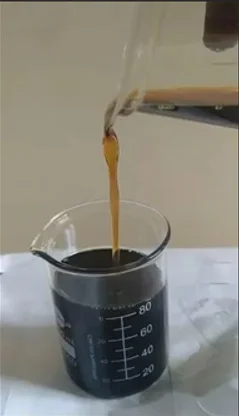
What Is Spotting Fluid?
Spotting Fluid is a specialized oilfield chemical formulation designed to help release drill pipes stuck against the wellbore wall, particularly in differential sticking situations.
During drilling, drilling mud creates a filter cake along permeable formations. When differential pressure pushes the drill pipe against this filter cake, the pipe can become firmly attached to the formation.
A suitable Stuck Pipe Release Fluid is placed around the affected interval to penetrate the filter cake, reduce sticking forces, and provide lubrication. Its formulation and performance depend on the drilling fluid system and well conditions.
How Does Spotting Fluid Work?
The effectiveness of Spotting Fluid comes from its ability to interact with the filter cake and reduce the forces responsible for differential sticking.
When a drill pipe becomes stuck, the treatment is positioned around the affected section. Its components work to penetrate the mud layer and improve lubrication between the pipe and formation.
The primary mechanisms include:
Filter Cake Penetration: Helps penetrate and weaken the mud filter cake surrounding the stuck pipe.
Reduced Adhesion: Helps decrease the bonding forces between the drill pipe and formation.
Improved Lubrication: Creates a lubricating environment around the affected interval.
Reduced Friction: Helps reduce resistance during controlled pipe movement.
These combined effects can improve the chances of freeing a stuck drill string and help avoid unnecessary mechanical recovery operations.
7 Important Benefits of Spotting Fluid in Drilling Operations
Selecting an appropriate Spotting Fluid offers several operational advantages, particularly when differential sticking occurs.
1. Helps Break Down Mud Filter Cake
The formulation penetrates the filter cake and helps reduce its strength, supporting the release process.
2. Reduces Differential Sticking Forces
It helps weaken the contact between the drill pipe and formation, improving the possibility of pipe release.
3. Improves Lubrication
Its lubricating properties help reduce friction around the stuck section, supporting controlled pipe movement.
4. Helps Minimize Torque and Drag
Improved lubrication can reduce mechanical resistance and support smoother drilling operations.
5. Supports Efficient Pipe Recovery
By treating the affected interval, it can improve the effectiveness of pipe-release operations and reduce unnecessary mechanical stress.
6. Offers Drilling System Compatibility
Depending on the specific formulation, suitable products can be selected for water-based, oil-based, and synthetic drilling fluid systems.
7. Helps Reduce Operational Downtime
Successful treatment can reduce the need for lengthy fishing operations, helping control non-productive time and associated costs.
Common Applications of Spotting Fluid
Spotting Fluid is particularly useful in drilling environments where differential sticking presents an operational challenge.
Common applications include:
Onshore and offshore oil and gas drilling.
Horizontal and directional drilling operations.
Deep and extended-reach wells.
Wells with significant differential pressure.
Operations involving thick or poorly conditioned mud filter cake.
Stuck pipe recovery and emergency drilling interventions.
Choosing the right Differential Sticking Solution requires evaluating the wellbore conditions, drilling fluid properties, and cause of the sticking incident.
Recommended Treatment Procedure
Correct placement and application are essential for achieving effective results. A typical treatment procedure involves the following steps:
Identify the Stuck Interval: Determine the approximate location and nature of the stuck pipe condition.
Select the Appropriate Formulation: Choose a treatment compatible with the existing drilling fluid system.
Calculate the Required Volume: Estimate the treatment volume based on well geometry and the affected interval.
Position the Treatment: Pump and spot the fluid across the suspected sticking zone according to the approved operational programme.
Allow Soaking Time: Maintain the recommended contact period to allow the formulation to interact with the filter cake.
Apply Controlled Movement: Follow the approved recovery procedure to attempt to release the drill pipe.
Treatment volumes, soaking periods, and operating procedures should always be determined by qualified drilling personnel based on actual well conditions and product recommendations.
Compatibility with Different Drilling Fluid Systems
Selecting compatible Drilling Fluid Additives is important for maintaining drilling fluid performance during treatment.
Depending on the product formulation, Spotting Fluid may be designed for use with:
Water-Based Mud (WBM): Formulations developed for compatibility with water-based drilling systems.
Oil-Based Mud (OBM): Treatments designed to work with oil-based mud environments.
Synthetic-Based Mud (SBM): Specialized formulations suitable for selected synthetic drilling fluid systems.
Compatibility should always be confirmed through product documentation and laboratory testing before field application.
Safety and Handling Guidelines
Like other Oilfield Drilling Chemicals, spotting treatments must be handled according to established safety procedures.
Important precautions include:
Wear appropriate personal protective equipment (PPE).
Avoid direct contact with skin and eyes.
Store products in designated, well-ventilated areas.
Follow manufacturer instructions for handling and storage.
Review the Safety Data Sheet (SDS) before use.
Ensure personnel understand the recommended application procedures.
Proper handling helps maintain workplace safety and supports reliable field operations.
Why Spotting Fluid Matters in Modern Drilling
Modern drilling operations require solutions that help minimize operational risks while maintaining productivity. Differential sticking can lead to expensive delays, equipment complications, and extended recovery operations.
Using an appropriate Spotting Fluid helps address this challenge by improving lubrication, reducing filter cake adhesion, and supporting controlled pipe-release procedures.
For drilling contractors and oilfield operators, selecting reliable Oilfield Drilling Chemicals is an important part of maintaining operational efficiency and managing drilling costs.
Conclusion
Spotting Fluid is an important treatment option for managing differential stuck pipe problems in oil and gas drilling. Its ability to penetrate mud filter cake, reduce adhesion, and improve lubrication makes it valuable in appropriate stuck pipe recovery situations.
By selecting the correct formulation, ensuring drilling system compatibility, and following recommended application procedures, operators can improve pipe-release opportunities and minimize unnecessary downtime.
For drilling companies seeking dependable drilling-fluid solutions, choosing the right treatment and working with experienced oilfield chemical suppliers can make a meaningful difference in operational performance.