
Vertical Cuttings Dryer: Maximizing Fluid Recovery & Waste Control
Introduction
Modern oil and gas drilling operations face increasing pressure to improve efficiency, control operating costs, and manage drilling waste responsibly. Oil-based mud (OBM) and synthetic-based mud (SBM) systems provide important drilling performance advantages, but they can also result in significant fluid losses through drilled cuttings. Recovering valuable drilling fluid while reducing the volume and environmental impact of waste is therefore an important part of an effective solids control strategy.
A Vertical Cuttings Dryer provides a practical solution by separating recoverable drilling fluid from drilled cuttings through high-speed centrifugal action. The recovered fluid can be returned to the active mud system, while treated cuttings are discharged with substantially reduced liquid content.
For drilling contractors and operators, this process can help improve drilling fluid utilization, reduce waste-handling requirements, and support more efficient drilling operations.
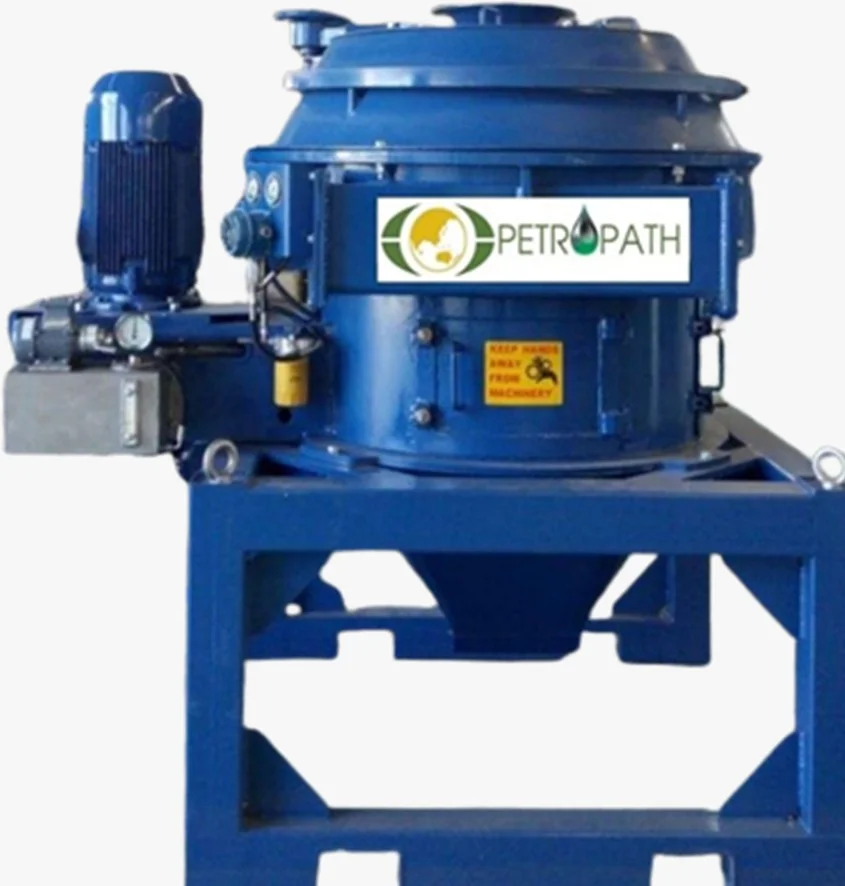
What Is a Vertical Cuttings Dryer?
A Vertical Cuttings Dryer is a specialized solids control machine used primarily with oil-based and synthetic-based drilling fluids. It is designed to recover valuable drilling fluid from cuttings generated during the drilling process.
After drilled cuttings pass through primary solids control equipment such as shale shakers, they can still contain a considerable amount of recoverable drilling fluid. Instead of sending this fluid to waste along with the solids, the dryer uses centrifugal separation to extract liquid from the cuttings.
The process produces two useful streams:
- Recovered drilling fluid that can potentially be returned to the active mud system
- Treated cuttings containing significantly less retained drilling fluid
This makes the equipment an important component of modern drilling waste management systems.
How Does a Vertical Cuttings Dryer Work?
The operating principle is straightforward but highly effective. Cuttings enter the machine after being separated by the rig’s primary solids control equipment.
Inside the unit, a high-speed rotating basket creates strong centrifugal forces. These forces move the drilling fluid through a screen while the solid cuttings are retained and transported toward the discharge section.
The recovered fluid is collected separately and can be processed or returned to the drilling fluid system, depending on the overall rig configuration and fluid-management process.
The treated solids are then discharged for further handling, transportation, treatment, or disposal.
The main stages include:
- Feed: Drilled cuttings are transferred from the shale shaker or associated solids control equipment.
- Centrifugal separation: High-speed rotation separates liquid from solid particles.
- Fluid recovery: Recoverable drilling fluid passes through the screen and is collected.
- Solids discharge: Separated cuttings leave the machine with reduced retained fluid.
This continuous process supports efficient fluid recovery without interrupting normal drilling operations.
Key Benefits of a Vertical Cuttings Dryer
1. Improved Drilling Fluid Recovery
Oil-based and synthetic-based drilling fluids can represent a significant operating expense. A Vertical Cuttings Dryer helps recover fluid that would otherwise leave the drilling system with discarded cuttings.
Recovering this fluid can reduce unnecessary mud consumption and improve the overall utilization of drilling-fluid inventories.
2. Reduced Oil on Cuttings
One of the major objectives of cuttings treatment is to reduce the amount of oil or synthetic fluid retained on discharged solids. Lower oil-on-cuttings (OOC) levels can simplify waste handling and help operators meet applicable environmental requirements.
Actual OOC performance depends on the equipment configuration, drilling-fluid properties, cuttings characteristics, operating conditions, and applicable regulations.
3. More Efficient Drilling Waste Management
The equipment contributes to a more controlled waste-management process by separating useful drilling fluid from solid waste at the rig site.
Reduced liquid content in discharged cuttings can help lower the volume of material requiring transportation and downstream treatment. This can contribute to more efficient drilling waste management and potentially reduce associated handling costs.
4. Better Solids Control Performance
Recovered drilling fluid can be routed back into the mud system after appropriate handling. Removing excess liquid from cuttings also helps improve the overall efficiency of the solids control process.
When integrated correctly with equipment such as shale shakers, centrifuges, desanders, and other separation technologies, the dryer can form part of a coordinated solids control system.
5. Lower Waste-Handling Requirements
Wet cuttings can require greater transportation, storage, treatment, and disposal resources. By reducing the liquid retained on solids, a Vertical Cuttings Dryer can help make downstream waste handling more manageable.
The resulting benefits depend on the drilling location, waste-disposal method, local regulations, and overall waste-management strategy.
Applications in Oil and Gas Drilling
A Vertical Cuttings Dryer is particularly relevant to drilling operations using OBM and SBM systems where fluid recovery and cuttings treatment are important operational considerations.
Typical applications include:
- Onshore oil and gas drilling
- Offshore drilling operations
- OBM and SBM drilling systems
- Environmentally sensitive drilling locations
- Large-scale drilling waste management programs
- Operations where drilling fluid recovery is a priority
The equipment can be incorporated into existing solids control and waste-management layouts, subject to site-specific engineering and space requirements.
Why Choose Petropath for Cuttings Drying Solutions?
Petropath Fluids Ltd. provides drilling-fluid, solids-control, and drilling-waste-management solutions for oil and gas operations. Its approach combines equipment with technical support to help operators address fluid recovery and waste-handling requirements.
A Vertical Cuttings Dryer system can be configured according to project requirements, rig layout, operating conditions, and waste-management objectives. Proper commissioning and operator training are also important for maintaining consistent equipment performance.
Petropath can additionally support drilling operations with specialized drilling chemicals and technical services used across drilling-fluid management applications.
Supporting More Efficient Drilling Operations
The increasing focus on drilling efficiency, fluid conservation, and responsible waste management is making advanced solids control technologies increasingly important.
A Vertical Cuttings Dryer provides a practical way to recover valuable drilling fluid while reducing liquid retained on drilled cuttings. When integrated with an effective solids control and waste-management system, it can contribute to lower fluid losses, more manageable waste streams, and improved operational efficiency.
For drilling contractors and operators working with OBM or SBM systems, selecting the right cuttings-treatment technology should involve consideration of drilling-fluid properties, solids characteristics, required processing capacity, site conditions, environmental requirements, and overall waste-management objectives.
Typical OOC levels are reduced to below 5%, depending on operating conditions.
Conclusion
Efficient drilling is not only about increasing penetration and maintaining well control; it also involves managing valuable drilling fluids and minimizing unnecessary waste. A Vertical Cuttings Dryer addresses both requirements by using centrifugal separation to recover drilling fluid from drilled cuttings while reducing the liquid content of discharged solids.
When properly selected, installed, and operated as part of an integrated drilling waste management system, the technology can support fluid conservation, solids control efficiency, and more responsible waste handling.
For modern OBM and SBM drilling operations, cuttings drying can therefore be an important part of a broader strategy for improving resource utilization and managing drilling waste more effectively.