
HDD Chemicals: 9 Powerful Solutions for High-Performance Horizontal Directional Drilling
Introduction
HDD Chemicals play an important role in the performance, stability, and efficiency of modern Horizontal Directional Drilling projects. From pipeline installations and utility crossings to road, railway, and river crossings, HDD operations often encounter challenging underground formations that can affect borehole stability, fluid circulation, cutting removal, and equipment performance.
At Petropath Fluids Limited, we manufacture and supply high-performance drilling fluid solutions designed for demanding trenchless construction applications. Our range of HDD chemicals and drilling fluid additives helps contractors manage changing geological conditions while improving drilling efficiency, borehole integrity, and operational reliability.
Selecting the appropriate chemical program is essential for achieving consistent drilling results and reducing avoidable operational problems.
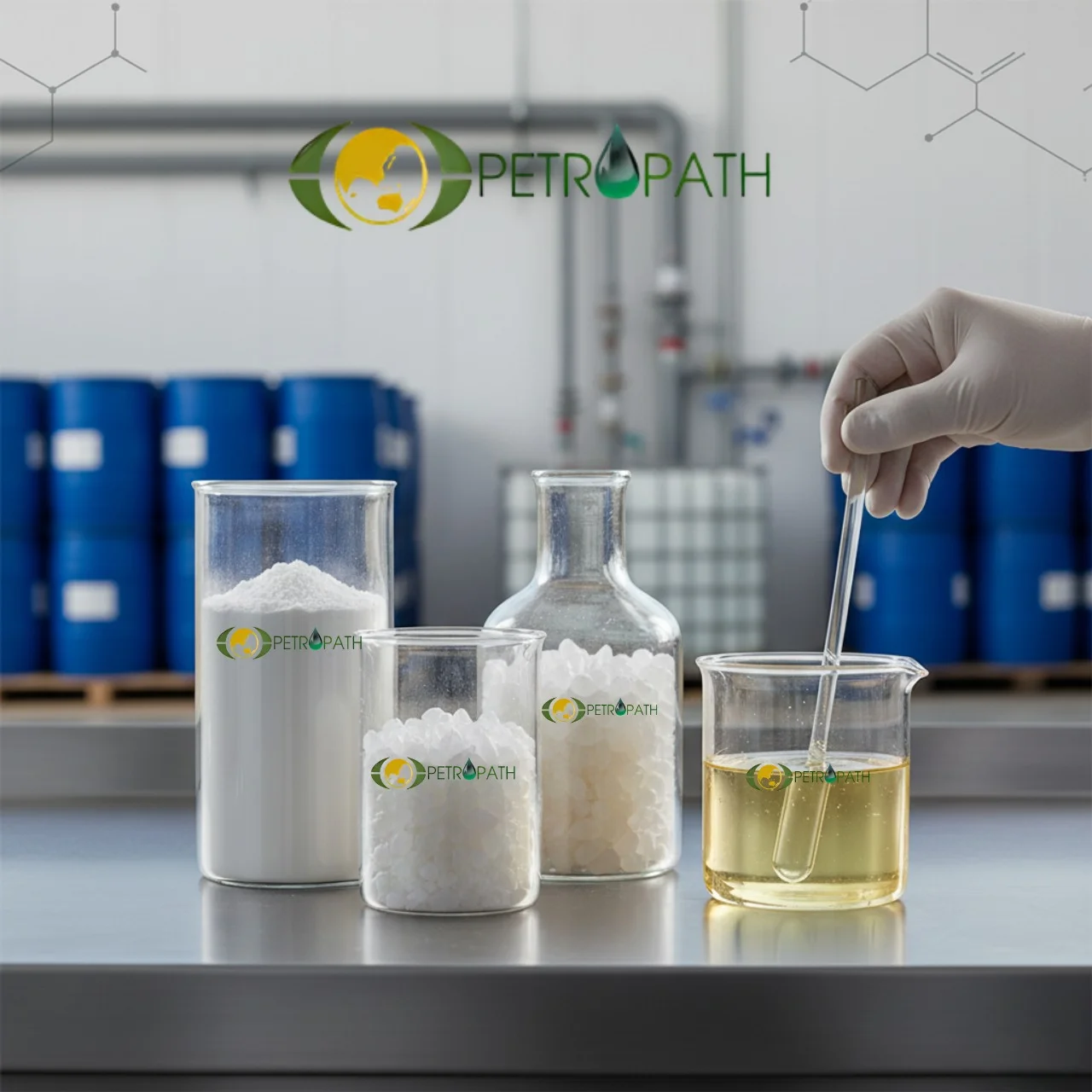
Why Are HDD Chemicals Important in Horizontal Directional Drilling?
Horizontal Directional Drilling allows infrastructure to be installed underground with significantly less surface disturbance than conventional excavation. However, successful HDD operations depend heavily on maintaining the right drilling fluid properties throughout the bore.
Soil and formation conditions can vary considerably, including clay, sand, gravel, shale, and mixed formations. Each condition can create different drilling challenges.
The right HDD Chemicals can help:
- Improve borehole stability
- Enhance cuttings suspension and removal
- Reduce torque and drag
- Control fluid loss
- Maintain suitable pH levels
- Improve lubrication
- Protect drilling equipment
- Support efficient circulation
A properly designed chemical program therefore contributes directly to safer and more efficient trenchless drilling operations.
9 Essential HDD Chemicals for Efficient Drilling
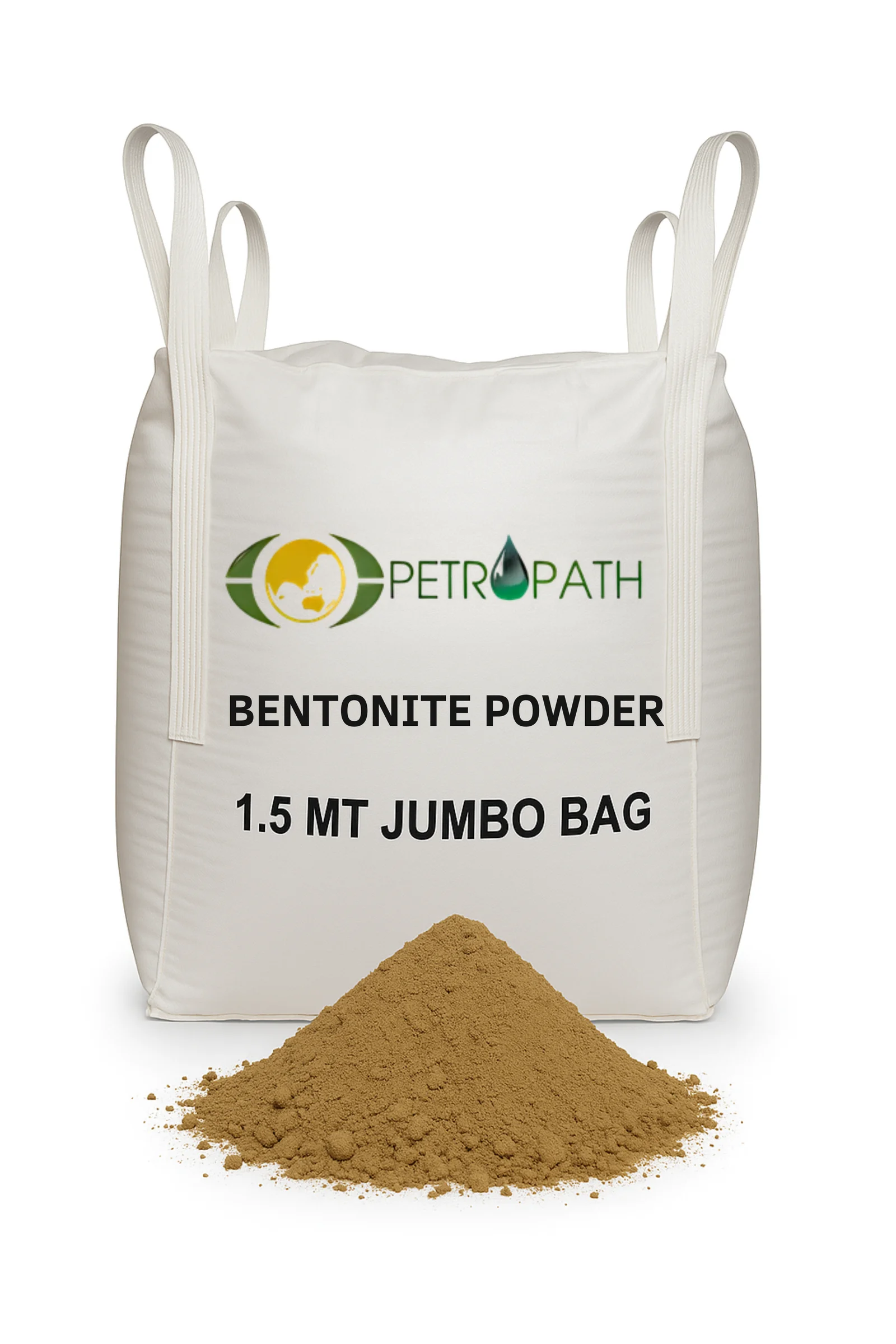
1. Bentonite Powder for HDD
Bentonite is one of the most widely used materials in HDD drilling fluids. High-quality bentonite provides viscosity, suspension, filtration control, and wall-building properties that help maintain borehole integrity.
Petropath supplies HDD Bentonite and Polymers suitable for different soil and drilling conditions.
Typical applications include:
- Borehole stabilization
- Cuttings suspension
- Fluid-loss control
- Lubrication improvement
Depending on the formation and application, contractors may use sodium bentonite or calcium bentonite formulations.
2. Polymer Additives
Polymer additives are important HDD Drilling Fluid Additives used to modify fluid rheology, improve carrying capacity, and reduce fluid loss.
Common polymer options include:
- Polyanionic Cellulose (PAC)
- PHPA
- Xanthan Gum
These materials can be selected according to formation characteristics and the desired drilling fluid performance.
3. Foaming Agents
Foaming agents can be useful when drilling through sandy, gravelly, or semi-dry formations. They can assist penetration, improve cuttings transport, and help manage friction during specific drilling applications.
Examples include Sodium Lauryl Sulfate (SLS) and Alpha Olefin Sulfonate (AOS).
The appropriate formulation should be selected according to ground conditions and project requirements.
4. Shale Stabilizers
Reactive clay and shale formations can create swelling, dispersion, and borehole instability. Shale stabilizers are therefore an important component of Horizontal Directional Drilling Chemicals programs where reactive formations are encountered.
Examples include:
- Potassium Chloride (KCl)
- Polyamine shale inhibitors
These additives can help control clay hydration and improve formation stability, reducing the risk of drilling interruptions.
5. High-Performance Lubricants
Friction and torque can increase significantly during long or complex HDD installations. Lubricants help reduce friction between the drilling system, formation, and installed product.
Petropath offers lubricant solutions including:
- Polyethylene Glycol (PEG)
- Ester-based lubricants
Effective lubrication can contribute to smoother drilling, reduced torque and drag, and improved equipment performance.
6. pH Control Agents
Maintaining appropriate drilling fluid pH is important for preserving the performance of bentonite and polymers. pH control agents help maintain fluid chemistry within the desired operating range.
Common materials include:
- Sodium Carbonate
- Sodium Hydroxide
Proper pH management can support consistent fluid properties throughout the drilling operation.
7. Corrosion Inhibitors
Drilling equipment, rods, pipes, and associated steel components may be exposed to conditions that promote corrosion. Corrosion inhibitors can help protect equipment and reduce maintenance requirements.
Examples include zinc carbonate and amine-based inhibitor systems.
8. Biocides
Microbial activity can negatively affect drilling fluid quality, particularly when fluids are stored or circulated for extended periods. Biocides can help control unwanted microbial growth and support fluid stability.
Examples include glutaraldehyde and isothiazolinone-based systems, where appropriate and compliant with project requirements.
9. Sealants and Thinners
Fluid-loss control and viscosity management are essential for maintaining efficient circulation. Sealants can help reduce unwanted fluid loss, while thinners can be used to manage excessive viscosity when required.
Lignite and tannin-based products are examples of materials used for these purposes.
Benefits of Using the Right HDD Chemicals
Choosing suitable HDD Chemicals can provide several operational advantages. A well-designed drilling fluid system can improve borehole stability, support effective cuttings transport, reduce friction, and help maintain consistent fluid properties.
It can also help contractors respond to changing geological conditions without unnecessarily interrupting drilling operations.
However, chemical selection should always consider factors such as soil type, water quality, bore length, drilling equipment, product diameter, circulation requirements, and environmental conditions.
Why Choose Petropath for HDD Chemicals?
Petropath Fluids Limited combines experience in drilling fluids and oilfield chemical solutions with a focus on dependable performance.
Industry Expertise
Our technical knowledge supports the selection of drilling fluid products for different geological and operational conditions.
Reliable Formulations
Our Trenchless Drilling Chemicals are developed to support consistent drilling fluid performance across demanding applications.
Technical Support
From product selection to application guidance, technical support can help contractors develop an appropriate chemical program for their HDD project.
Performance-Focused Solutions
Our solutions are designed with operational efficiency, borehole stability, equipment protection, and project requirements in mind.
Applications of HDD Chemicals
Petropath solutions can be used across a wide range of trenchless construction projects, including:
- Oil and gas pipeline installations
- Water and sewer utility crossings
- Telecommunication cable installations
- Power cable projects
- Road crossings
- Railway crossings
- River crossings
- Urban infrastructure projects
The core system typically relies on Bentonite powder (for viscosity and filter cake building) and Soda Ash (for balancing water pH levels). Specialty polymers like Xanthan Gum (Poly-Xan) and PAC (Polyanionic Cellulose) are added to boost carrying capacity and control fluid loss in sandy or rocky conditions.
Drilling through reactive clay or swelling shale can cause tool binding and borehole collapse. Contractors use Clay/Shale Inhibitors (such as Potassium Chloride/KCl) or synthetic liquid shale stabilizers. These chemicals prevent water absorption into the formation, keeping the bore stable and minimizing swelling.
In highly porous or unconsolidated soils, fluid easily leaks into the surrounding ground, risking collapse. To prevent fluid loss, operators utilize Lost Circulation Materials (LCM) like pre-gelatinized starch or specialized swelling polymers. These plug the pore spaces in the earth and build an impermeable wall (filter cake) to retain mud pressure.
Maintaining fluid volume ensures the mud safely transports drill cuttings out of the hole. When fluid is lost into the soil, the hole dries out, torque increases, and the drill string risks getting stuck. Using filtration control polymers maintains the required mud weight and thixotropic properties to keep the bore open.
The exact chemical cocktail depends heavily on your local geological profile. A mix of water-based bentonite alone might work in cohesive clay, but a heavily engineered polymer-enhanced mud is necessary for cobble, fractured rock, or coarse sand.
Conclusion
Successful Horizontal Directional Drilling requires more than advanced drilling equipment. The performance of the drilling fluid system is equally important, particularly when projects encounter variable or challenging underground formations.
The right HDD Chemicals can help improve borehole stability, cuttings transport, lubrication, fluid control, and overall drilling efficiency. From bentonite and polymers to lubricants, shale stabilizers, pH control agents, and specialty additives, each component has a specific role within an effective HDD fluid program.
Petropath Fluids Limited provides a comprehensive range of Horizontal Directional Drilling Chemicals and HDD Drilling Fluid Additives for demanding trenchless applications. With the right chemical selection and technical approach, contractors can improve drilling performance, protect equipment, and support successful project completion.
Don’t let drilling challenges slow you down. With Petropath’s advanced HDD Chemicals, you can achieve smoother drilling, reduced downtime, and long-term cost savings. Whether you need drilling fluids, HDD additives, or complete Horizontal Directional Drilling solutions, our team is here to support your success.
We provide worldwide delivery, custom configurations, and technical support tailored to your operational needs.