
Horizontal Directional Drilling Services: Innovative Trenchless Solutions for Sustainable Infrastructure
Introduction
Modern infrastructure projects increasingly require underground construction methods that deliver reliable results without causing extensive surface disruption. Horizontal Directional Drilling Services provide an advanced trenchless solution for installing pipelines, utilities, cables, and other underground infrastructure beneath roads, rivers, railways, urban areas, and environmentally sensitive locations.
Unlike conventional open-cut excavation, horizontal directional drilling (HDD) allows underground installations to follow a controlled, pre-engineered path while keeping most surface areas intact. This approach can reduce excavation, restoration requirements, traffic disruption, and environmental disturbance, making HDD an important technology for sustainable infrastructure development.
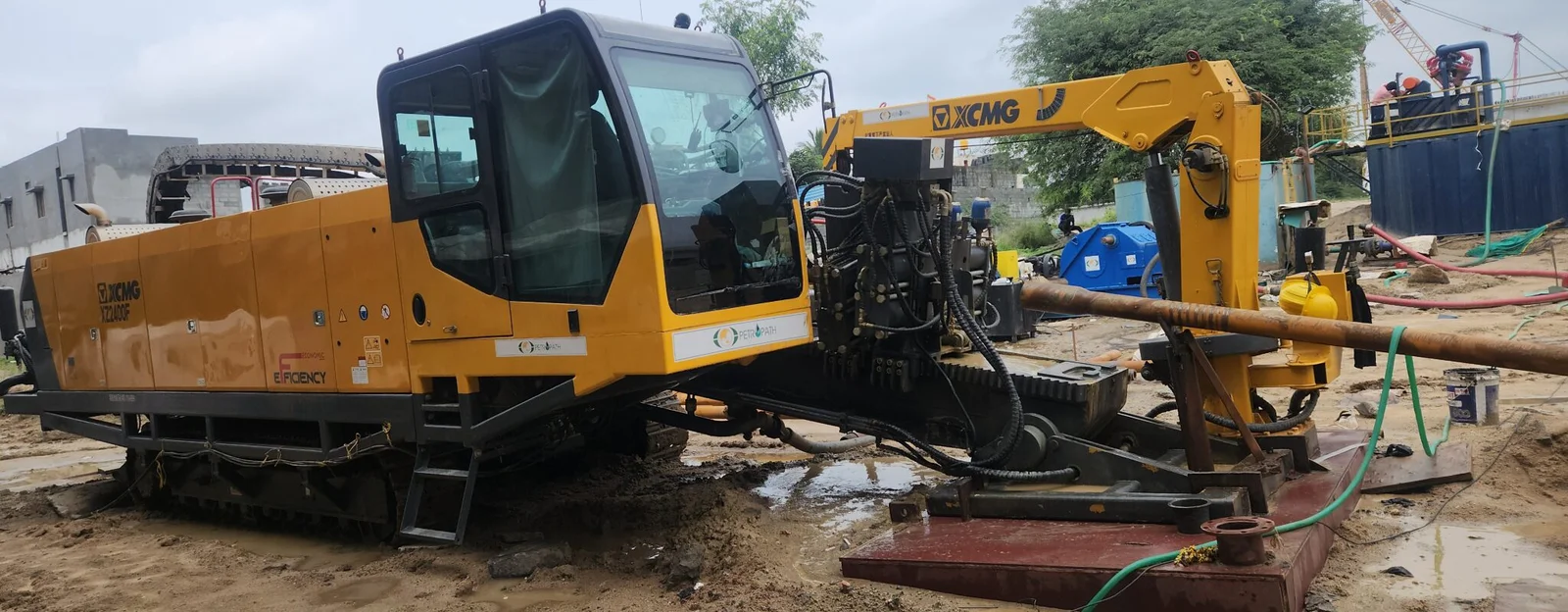
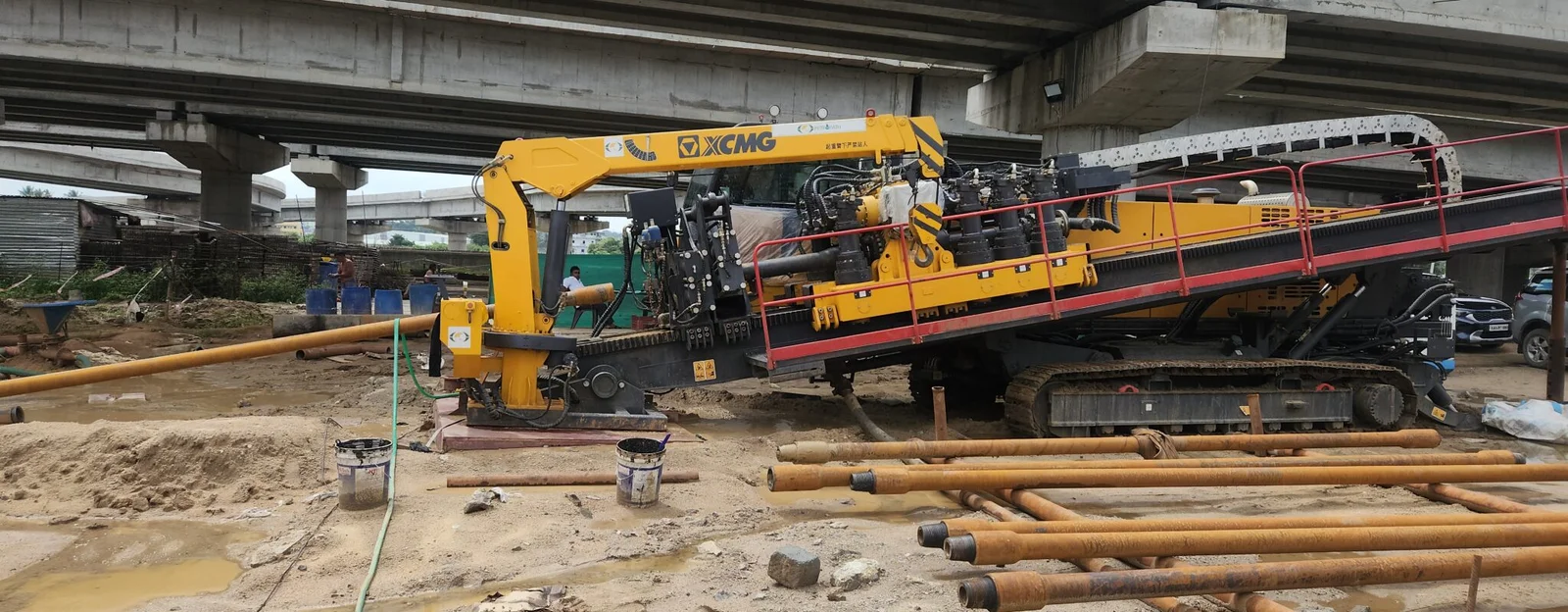
What Are Horizontal Directional Drilling Services?
Horizontal Directional Drilling Services involve the use of specialized drilling equipment, steering systems, and drilling fluids to create an underground pathway for pipelines or utility lines. The process is designed to provide controlled drilling from a surface entry point to a planned exit point.
HDD is commonly used for underground pipeline installation in oil and gas, water transmission, telecommunications, electrical infrastructure, and municipal utility projects. Its ability to cross obstacles without extensive excavation makes it particularly useful where traditional trenching would be difficult, expensive, or disruptive.
How Horizontal Directional Drilling Works
A typical HDD project follows several carefully planned stages.
1. Pilot Bore
The process begins with a pilot bore drilled along a predetermined alignment. A steerable drill head and electronic guidance system help operators control the bore’s depth, direction, and trajectory.
2. Borehole Enlargement
After completing the pilot bore, the underground pathway is enlarged using reaming equipment. The required bore diameter depends on the size and type of pipeline or utility being installed.
3. Pipeline Pullback
The prepared pipeline is positioned at the exit side and connected to the drilling system. It is then pulled through the enlarged bore toward the entry point. Depending on project requirements, installations may use materials such as HDPE or steel pipe.
4. Drilling Fluid Management
Drilling fluid plays an important role throughout the HDD process. Water-based fluids containing bentonite and other suitable additives can help stabilize the borehole, transport cuttings, cool drilling equipment, and reduce friction during drilling and pullback.
Professional Horizontal Directional Drilling Services include monitoring of drilling fluid properties and circulation to support efficient and controlled operations.
Major Applications of HDD Services
HDD has become an important option for projects where surface access is restricted or environmental disturbance needs to be minimized.
Common applications include:
- Oil and gas pipeline installation
- Water and wastewater pipeline projects
- Fiber-optic and telecommunications networks
- Underground electrical cable installation
- River and lake crossings
- Highway and railway crossings
- Urban utility infrastructure
- Industrial and municipal utility corridors
- Installations near environmentally sensitive areas
This flexibility allows Horizontal Directional Drilling Services to support infrastructure projects across diverse geological and operational conditions.
Environmental Benefits of HDD Trenchless Technology
One of the key advantages of HDD is its trenchless approach. Traditional excavation can require long surface trenches, vegetation removal, road closures, and extensive restoration. HDD can reduce the amount of surface excavation required by creating the installation pathway underground.
Important environmental advantages include:
- Reduced surface disturbance
- Lower disruption to established landscapes
- Limited interference with roads and transportation routes
- Reduced impact on waterways during suitable crossings
- Less excavation and soil handling
- Reduced restoration requirements
- Improved suitability for environmentally sensitive locations
Responsible drilling fluid management is also essential. Proper planning, monitoring, containment, and response procedures can help manage potential drilling fluid returns and support compliance with applicable environmental requirements.
7 Key Benefits of Horizontal Directional Drilling Services
1. Reduced Surface Disruption
HDD minimizes the need for continuous open trenches, helping maintain roads, properties, landscapes, and other surface infrastructure.
2. Efficient Installation
With appropriate planning and ground conditions, HDD can streamline underground installation and reduce the amount of surface restoration required after construction.
3. Precise Bore Alignment
Modern steering and guidance systems allow operators to control the drilling trajectory and maintain the planned underground route.
4. Lower Restoration Requirements
Because much of the installation occurs underground, projects may require less road, pavement, landscaping, and ground restoration compared with conventional excavation.
5. Suitable for Complex Crossings
HDD can be used for carefully engineered crossings beneath highways, railways, waterways, and other obstacles where open excavation may create significant disruption.
6. Flexible Infrastructure Applications
The technology can support pipelines, cables, telecommunications networks, and other underground utility installations.
7. Support for Sustainable Construction
By reducing surface disturbance and excavation in appropriate applications, HDD can contribute to infrastructure development with a smaller physical footprint.
Why Professional HDD Expertise Matters
The success of an HDD project depends on more than drilling equipment. Proper route planning, geological assessment, drilling fluid selection, equipment configuration, steering control, pipe design, and pullback planning all influence project performance.
Experienced Horizontal Directional Drilling Services providers evaluate project-specific conditions before execution. Factors such as soil composition, rock formations, groundwater conditions, bore length, crossing requirements, pipe diameter, and required installation depth should be considered during planning.
Real-time monitoring can also help operators identify changing conditions and make appropriate operational adjustments throughout the drilling process.
Building the Future of Sustainable Underground Infrastructure
As cities expand and demand for reliable energy, water, telecommunications, and utility networks increases, underground construction methods must balance infrastructure requirements with environmental and community considerations.
Horizontal Directional Drilling Services provide a practical trenchless approach for projects where minimizing surface disruption is a priority. From urban utility corridors to major pipeline crossings, HDD can help project teams install critical infrastructure while reducing the need for extensive excavation.
The combination of engineering planning, modern steering technology, drilling fluid management, and specialized equipment makes HDD a valuable component of contemporary underground construction.
- Pilot Hole: A steerable drill rig pushes a hollow drill string into the ground from the surface, guided by internal sensors to avoid obstacles.
- Reaming: Once the drill head reaches the exit point, it is removed and replaced by a reamer (a widening tool). This is pulled back to expand the initial hole to fit the utility pipe.
- Pull-back: The actual service pipe is then attached to the reamer and pulled into the enlarged, pre-drilled tunnel.
The main benefit of HDD is minimal surface disruption . Traditional excavation (cut-and-cover) requires digging long trenches, which destroys roads, landscaping, and ecosystems. HDD eliminates this by drilling far underneath these obstacles, offering a safer, more cost-effective solution for environments that cannot be disturbed.
The average length of a typical utility drill ranges from 600 to 1,000 feet, though heavy-duty equipment can reach up to 9,800 feet (3,000 meters) depending on soil conditions. The depth depends on the project, but generally, drills are placed deep enough to clear the utility or obstacle safely.
- Major highways and heavily trafficked roadways
- Railroad tracks
- Rivers, lakes, and streams
- Existing underground infrastructure (e.g., gas lines, electric conduits)
- Environmentally sensitive zone
Before drilling begins, crews utilize a One Call system to mark public utilities and perform ground-penetrating scans to map the area. During the drill, the operator relies on a subsurface tracking system (like an electromagnetic guidance beacon) to monitor the exact location, depth, and angle of the drill head, allowing them to steer around unexpected structures.
Conclusion
Horizontal Directional Drilling Services have transformed underground infrastructure installation by providing a controlled alternative to conventional open-cut construction. Their applications extend across oil and gas, water, telecommunications, power, municipal utilities, and complex crossing projects.
With precise planning, professional execution, responsible drilling fluid management, and appropriate equipment, HDD can help deliver efficient underground installations while minimizing surface disruption.
As infrastructure development continues to evolve, trenchless technologies such as HDD will remain an important option for creating resilient underground networks while supporting more responsible construction practices.