
Lubricity Meter for Drilling Fluid Testing: The Science Behind Smoother and More Efficient Drilling
Modern drilling operations demand precision, efficiency, and reliability. As wells become deeper and more complex, drilling fluids play an increasingly important role in maintaining operational performance. One critical property that directly influences drilling success is lubricity. The ability of drilling fluids to reduce friction between moving metal surfaces can significantly impact torque, drag, equipment wear, and overall drilling efficiency.
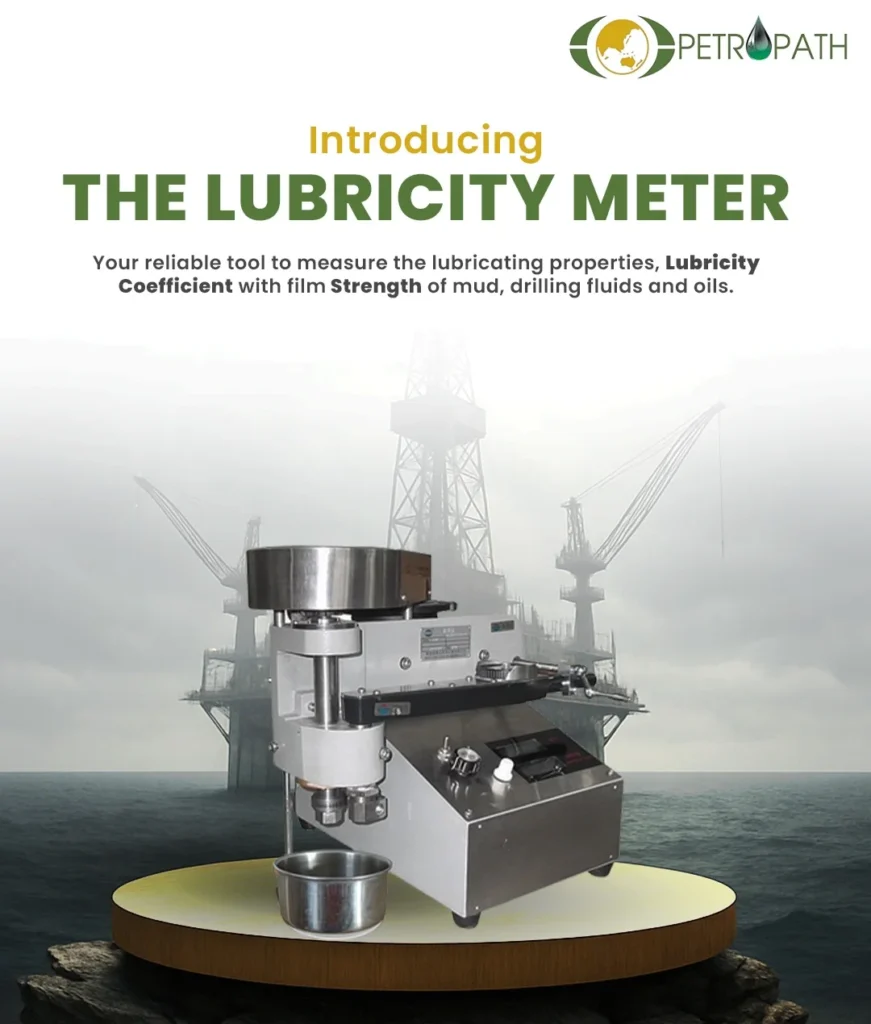
A Lubricity Meter for Drilling Fluid Testing is an essential laboratory instrument used to evaluate the lubricating performance of drilling fluids under simulated operating conditions. By providing accurate measurements of friction characteristics and film strength, this equipment helps drilling engineers optimize fluid formulations and reduce costly operational challenges.
During drilling activities, continuous contact occurs between the drill string, casing, and wellbore surfaces. This interaction creates friction, which can lead to increased torque, drag, equipment wear, and reduced drilling efficiency.
Lubricity refers to the ability of a drilling fluid to minimize this friction and provide smooth movement of drilling components. Effective lubricity improves drilling performance, protects valuable equipment, and supports safer operations in demanding drilling environments.
The Lubricity Meter for Drilling Fluid Testing enables engineers to evaluate how well a drilling fluid performs under friction-generating conditions before deployment in the field.
What is a Lubricity Meter for Drilling Fluid Testing?
A Lubricity Meter for Drilling Fluid Testing is a specialized testing instrument designed to measure the friction-reducing capabilities of drilling fluids. The device simulates metal-to-metal contact conditions commonly encountered during drilling operations and provides quantitative data regarding fluid lubricating performance.
The instrument helps determine:
- Lubricity coefficient values
- Friction reduction efficiency
- Film strength characteristics
- Lubricant additive effectiveness
- Torque and drag behavior
These measurements provide valuable insights for selecting and optimizing drilling fluid formulations that support efficient and trouble-free drilling.
Lubricity Coefficient Measurement and Its Significance
One of the primary functions of a Lubricity Meter for Drilling Fluid Testing is determining the lubricity coefficient.
The lubricity coefficient is a numerical representation of friction levels between contacting surfaces. Lower coefficient values indicate superior lubrication performance, while higher values suggest increased friction and potential operational risks.
Accurate Lubricity Coefficient Measurement allows drilling professionals to:
- Compare different drilling fluid systems
- Evaluate lubricant additives
- Improve fluid performance
- Reduce mechanical stress
- Minimize equipment wear
Reliable measurements help operators make informed decisions that contribute to safer and more cost-effective drilling operations.
Understanding Film Strength in Drilling Fluids
Film strength is another critical parameter evaluated using a Lubricity Meter for Drilling Fluid Testing.
Film strength refers to the ability of a drilling fluid to maintain a protective lubricating layer between metal surfaces under pressure. Strong film strength prevents direct metal-to-metal contact and reduces the risk of excessive wear, galling, and equipment failure.
In challenging drilling environments, maintaining adequate film strength becomes essential for preserving drilling tool integrity and ensuring continuous operations.
By measuring film strength accurately, engineers can verify whether a drilling fluid is capable of providing long-lasting protection under demanding conditions.
Why Drilling Fluid Lubricity Testing Matters
Effective Drilling Fluid Lubricity Testing provides critical information that supports drilling performance optimization.
Without proper lubricity evaluation, drilling operations may experience:
- Increased torque and drag
- Stuck pipe incidents
- Premature equipment wear
- Reduced drilling efficiency
- Higher maintenance costs
- Increased non-productive time
Regular testing helps identify potential issues before they impact operations, enabling proactive fluid management and performance enhancement.
Key Benefits of Using a Lubricity Meter
Implementing a Lubricity Meter for Drilling Fluid Testing within drilling laboratories and fluid testing facilities provides several operational advantages.
Improved Drilling Efficiency
Enhanced lubricity reduces friction throughout the drilling system, allowing smoother drilling operations and improved penetration rates.
Reduced Equipment Wear
Accurate lubricity analysis helps maintain proper lubrication, reducing wear on drill strings, casing, and downhole tools.
Lower Operational Costs
Minimizing friction-related failures and downtime contributes to substantial cost savings over the life of a drilling project.
Better Fluid Optimization
Engineers can evaluate and fine-tune fluid formulations based on actual performance data rather than assumptions.
Enhanced Safety
Reduced mechanical stress lowers the likelihood of equipment failures that can impact operational safety.
Applications of Mud Lubricity Testing Equipment
Modern Mud Lubricity Testing Equipment is widely used throughout the drilling industry to evaluate fluid performance across various applications.
Common uses include:
Oil-Based Mud Evaluation
Oil-based drilling fluids often require precise lubricity measurements to maintain performance under challenging drilling conditions.
Water-Based Mud Testing
Water-based systems can benefit significantly from lubricity enhancement programs, making regular testing essential.
Lubricant Additive Assessment
Testing enables engineers to compare the effectiveness of various lubricant additives and treatment programs.
Research and Development
Laboratories use lubricity meters to develop innovative drilling fluid technologies and improve existing formulations.
Quality Control Programs
Routine testing ensures consistent drilling fluid performance and compliance with operational standards.
Factors Affecting Lubricity Performance
Several variables influence drilling fluid lubricity and should be monitored carefully.
These include:
- Fluid composition
- Lubricant concentration
- Solids content
- Temperature conditions
- Pressure variations
- Contamination levels
A Lubricity Meter for Drilling Fluid Testing provides valuable data that helps engineers understand how these factors impact fluid behavior and drilling performance.
Choosing a Reliable Lubricity Testing Solution
Selecting the right lubricity testing equipment is critical for obtaining accurate and repeatable results.
Key features to consider include:
- High measurement accuracy
- Durable construction
- Easy calibration procedures
- Consistent repeatability
- User-friendly operation
- Compatibility with various drilling fluid systems
A quality lubricity meter supports both laboratory research and routine field-testing requirements, delivering dependable performance throughout its operational life.
The Future of Drilling Fluid Performance Optimization
As drilling projects continue to become more technically demanding, the importance of accurate fluid testing will only increase. Advanced testing technologies enable operators to make data-driven decisions that improve drilling efficiency, reduce costs, and extend equipment lifespan.
The Lubricity Meter for Drilling Fluid Testing remains one of the most valuable tools for evaluating drilling fluid performance and ensuring reliable operations in modern drilling environments.
Conclusion
Achieving optimal drilling performance requires a thorough understanding of drilling fluid behavior, particularly its ability to reduce friction and protect critical equipment. A Lubricity Meter for Drilling Fluid Testing provides the accurate data necessary to evaluate lubricity coefficient values, assess film strength, and optimize fluid formulations for maximum efficiency.
By incorporating regular lubricity testing into drilling fluid management programs, operators can reduce torque and drag, minimize equipment wear, improve drilling performance, and support safer, more cost-effective operations. For laboratories, mud engineers, and drilling professionals seeking reliable fluid analysis, investing in advanced lubricity testing equipment is a practical step toward operational excellence.
Looking for reliable drilling fluid testing solutions and technical support? Our team is ready to assist with product selection, application guidance, and customized solutions for your operational requirements.
Email: sales@ppdrillingfluids.in
Phone: +91 98867 88642
Website: www.ppdrillingfluids.in