
Mud Cooler Services: Advanced HPHT Drilling Temperature Control Solutions
Introduction
Temperature control is a critical factor in modern oil and gas drilling, particularly when operations move into high-pressure high-temperature (HPHT) environments. Excessive drilling fluid temperature can affect mud properties, equipment performance, downhole measurements, and overall wellbore stability. This makes reliable Mud Cooler Services an important part of advanced drilling-fluid management.
Petropath Fluids India Ltd. provides engineered cooling solutions designed to manage excessive heat generated during drilling operations. These systems help maintain controlled mud temperatures while supporting stable drilling-fluid properties and protecting temperature-sensitive equipment.
Unlike conventional cooling methods, modern Mud Cooler Services can be engineered according to specific drilling conditions, including mud flow rate, density, inlet temperature, outlet temperature, pressure, and available cooling-water conditions.
Why Drilling Mud Temperature Control Matters
During deep and HPHT drilling, circulating drilling fluids can absorb substantial heat as they travel through the wellbore. If this heat is not effectively managed, it can negatively affect drilling performance.
Uncontrolled mud temperature may contribute to:
- Changes in drilling-fluid viscosity and density
- Faster degradation of drilling-fluid additives
- Excessive thermal stress on pumps, seals, and elastomers
- Reduced reliability of downhole electronic equipment
- Less consistent MWD and LWD measurements
- Increased operational and safety risks
Effective drilling mud temperature control helps operators maintain more consistent fluid characteristics throughout the circulation system. This can contribute to improved pressure management, equipment protection, and operational reliability.
How Mud Cooler Services Support HPHT Drilling
The primary purpose of Mud Cooler Services is to remove excess heat from circulating drilling fluids before the fluid returns to critical stages of the drilling process.
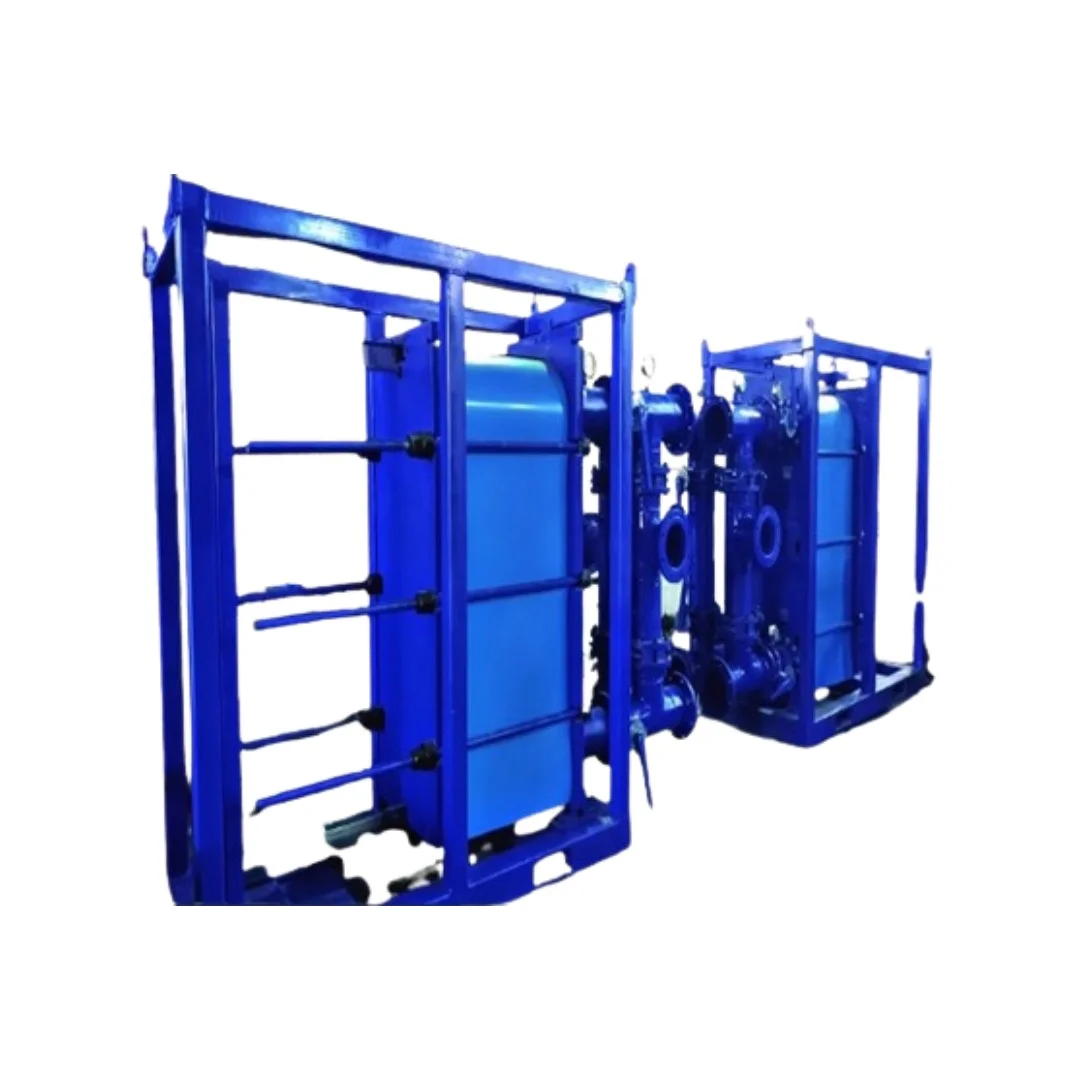
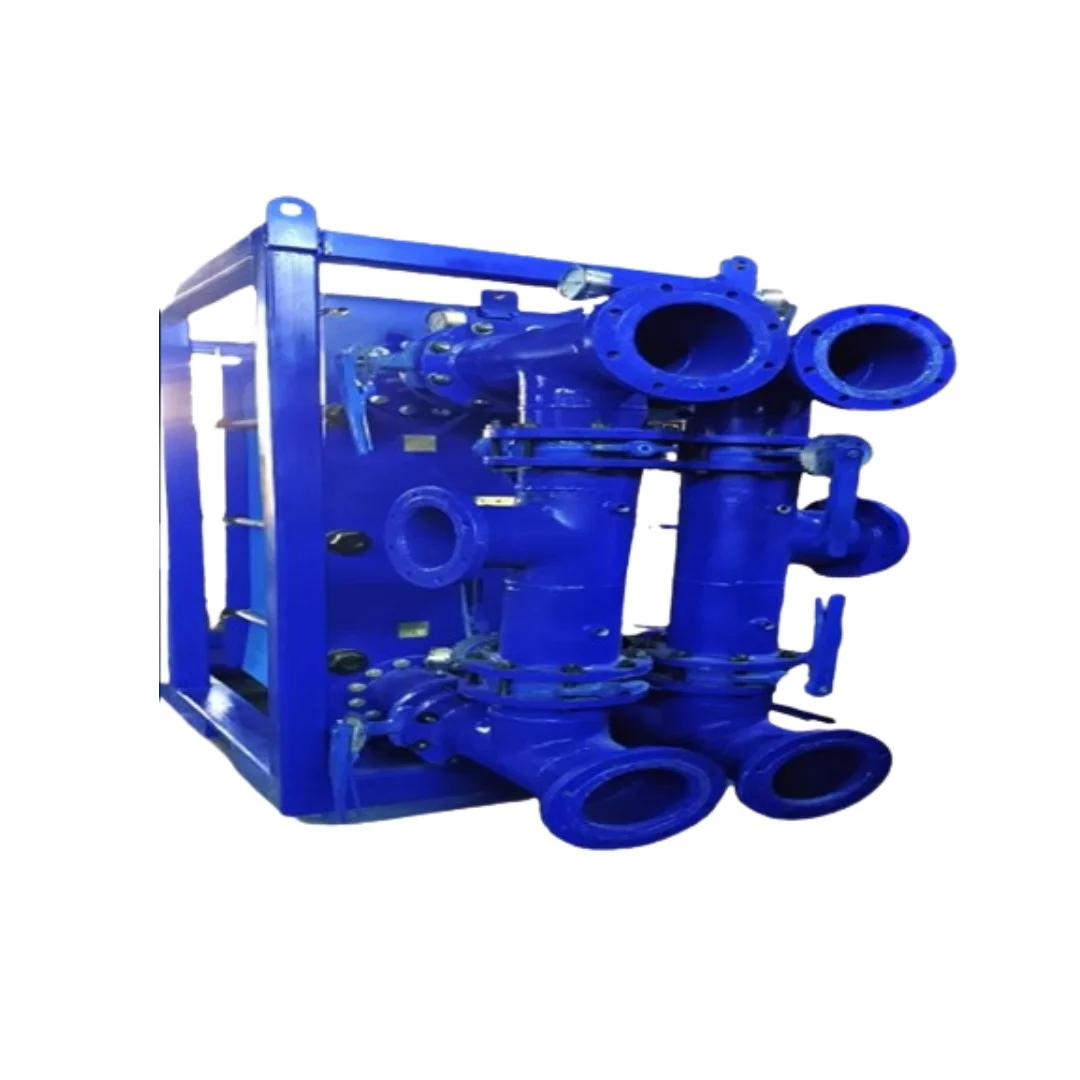
Petropath cooling systems use high-efficiency Plate Heat Exchangers (PHEs) to transfer heat from the drilling mud to a separate cooling medium. This allows the mud temperature to be reduced without unnecessarily interrupting the circulation process.
The resulting HPHT drilling fluid cooling solution can help maintain drilling-fluid performance under demanding thermal conditions.
Depending on the project, cooling systems can be configured for freshwater or seawater applications and designed around the required operating parameters.
Petropath Mud Cooling System Options
Petropath offers engineered solutions designed for different drilling environments and operating requirements.
Freshwater Mud Cooler – PP-MCFD
The PP-MCFD Freshwater Mud Cooler is designed for drilling applications where freshwater is available as the cooling medium. Its compact and modular configuration can support both short-term projects and longer drilling campaigns.
Key advantages include:
- Efficient heat transfer
- Compact installation requirements
- Flexible deployment
- Compatibility with different drilling-fluid systems
- Reliable performance for demanding drilling applications
This mud cooling system can be customized according to project-specific flow rates, temperature requirements, and operating conditions.
Seawater Mud Cooler – PP-MCSW
For offshore and marine drilling applications, the PP-MCSW Seawater Mud Cooler is designed to provide efficient cooling while addressing the corrosive nature of seawater environments.
Its engineered construction supports reliable heat transfer in demanding offshore conditions. Titanium components can provide enhanced resistance to corrosion, helping extend equipment service life where seawater exposure is unavoidable.
For operators searching for a dependable mud cooler for oil and gas drilling, seawater-compatible cooling equipment can provide an effective approach to managing thermal loads during offshore operations.
Customized Cooling for Different Drilling Conditions
Every drilling project presents different thermal and hydraulic requirements. A standardized cooling system may therefore fail to provide optimum performance across all applications.
Petropath develops Mud Cooler Services around important project parameters, including:
- Drilling-fluid flow rate
- Mud density
- Inlet mud temperature
- Required outlet temperature
- Operating pressure
- Cooling-water temperature
- Onshore or offshore installation conditions
By evaluating these parameters before system selection, operators can obtain a cooling configuration suited to their actual drilling environment.
This customized engineering approach can improve heat-transfer efficiency while helping reduce unnecessary energy consumption, maintenance requirements, and equipment downtime.
Safety and Reliability in HPHT Applications
Safety becomes increasingly important as drilling temperatures and pressures rise. Properly engineered cooling equipment can help reduce thermal stress on drilling equipment and support more stable operating conditions.
Petropath’s systems are designed with pressure and corrosion considerations in mind. Depending on the equipment configuration and project requirements, pressure-vessel standards and corrosion-resistant materials can be incorporated into the system design.
Titanium construction is particularly valuable in seawater applications because of its resistance to corrosion. This helps support long-term reliability in challenging offshore environments.
Well-designed Mud Cooler Services therefore contribute not only to temperature management but also to equipment protection and operational continuity.
Benefits of Professional Mud Cooler Services
Choosing an engineered cooling solution can provide several operational advantages for oil and gas drilling projects.
1. Improved Temperature Control
Cooling systems help maintain drilling-fluid temperatures within the desired operating range, supporting consistent fluid performance.
2. Better Equipment Protection
Controlled temperatures can reduce thermal stress on pumps, seals, elastomers, and other temperature-sensitive components.
3. More Stable Mud Properties
Maintaining appropriate temperatures helps drilling teams manage fluid viscosity, density, and other important mud characteristics more consistently.
4. Enhanced HPHT Performance
Effective HPHT drilling fluid cooling can support drilling operations where conventional temperature-management methods may not be sufficient.
5. Customized Engineering
Systems can be designed around actual drilling parameters rather than relying on a one-size-fits-all configuration.
Why Choose Petropath for Mud Cooler Services?
Petropath Fluids India Ltd. combines oilfield experience with engineered drilling-fluid solutions to support demanding drilling environments. Its approach focuses on reliable heat transfer, application-specific design, durable materials, and technical support.
Operators can benefit from:
- Application-focused cooling-system engineering
- High-efficiency heat-transfer technology
- Solutions for freshwater and seawater applications
- Corrosion-resistant construction options
- Customized system configurations
- Technical and after-sales support
By combining engineering knowledge with practical drilling requirements, Petropath helps operators address thermal challenges more effectively.
Types of Mud Coolers: 1. Air-Cooled: Heat is dissipated using ambient air. 2. Water-Cooled: Heat is transferred to water in a closed or open loop system.
An evaporative air cooler usually stops cooling because of an empty water tank, a malfunctioning water pump, clogged cooling pads, or poor room ventilation.
A drilling mud cooling system or mud cooler is a critical piece of equipment in offshore drilling operations, designed to maintain optimal temperature of the drilling fluid (mud) circulating through the wellbore.
The best coolers on the market span from premium rotomolded options to budget-friendly, multi-day ice chests. Top overall picks include the ultra-durable YETI Tundra 45, the spacious Coleman Xtreme 70QT, the bear-resistant Lifetime 65 Quart, and the towable RTIC Ultra-Light 52.
- Water-Based Mud (WBM) Water-based mud is the most common type of drilling fluid used in the industry. …
- Oil-Based Mud (OBM) …
- Synthetic-Based Mud (SBM) …
- Air-Based Drilling Fluids.
Conclusion
Effective temperature management is becoming increasingly important as oil and gas wells become deeper, hotter, and more technically demanding. Mud Cooler Services provide an engineered approach to controlling drilling-fluid temperature, protecting equipment, and supporting consistent drilling performance.
From freshwater applications to offshore seawater environments, Petropath’s cooling solutions can be configured around the specific requirements of each drilling project. With efficient heat-transfer technology, application-focused engineering, and durable construction, these systems provide a practical solution for challenging drilling conditions.
For operators dealing with excessive drilling-fluid temperatures, selecting the right Mud Cooler Services can be an important step toward safer, more reliable, and more efficient HPHT drilling operations.
We provide worldwide delivery, custom configurations, and technical support tailored to your operational needs.