
Oil Line Corrosion Inhibitor: Advanced Solutions for Reliable Pipeline Protection
Introduction
Corrosion is a major challenge in oil and gas production, transportation, and processing. Pipelines, production tubing, storage systems, and other metallic equipment are continuously exposed to water, carbon dioxide (CO₂), hydrogen sulfide (H₂S), dissolved salts, and other corrosive substances. Over time, these conditions can cause metal loss, leakage, equipment damage, and costly operational interruptions.
An Oil Line Corrosion Inhibitor helps address these challenges by reducing corrosion on metal surfaces exposed to aggressive oilfield fluids. When selected according to operating conditions and applied through a suitable treatment program, this chemical solution can support pipeline integrity, improve equipment reliability, and reduce maintenance requirements.
For oil and gas operators, effective corrosion management is essential for maintaining safe, efficient, and dependable operations.
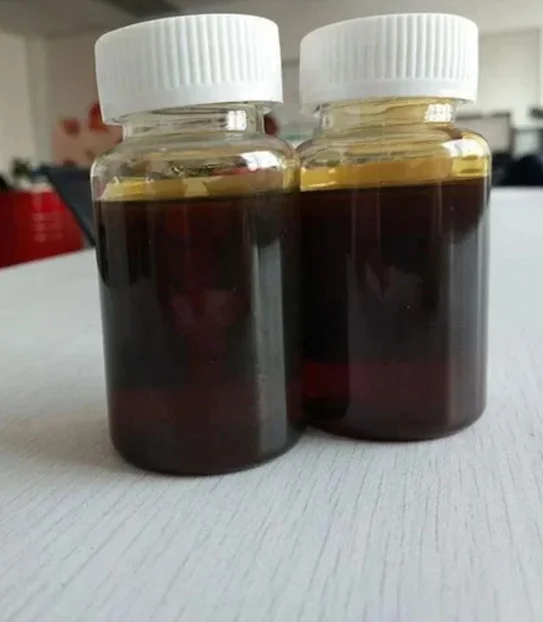
What Is an Oil Line Corrosion Inhibitor?
An Oil Line Corrosion Inhibitor is a specialized chemical used to reduce internal corrosion in oil pipelines, production systems, and associated equipment. Depending on its formulation, it works by interacting with metal surfaces to create a protective film that limits contact between the metal and corrosive substances.
Corrosion risks can increase under several oilfield conditions, including:
Carbon dioxide and hydrogen sulfide exposure
Water accumulation and high salinity
Elevated operating temperatures
Variable pressure and flow conditions
Changes in crude oil and produced-water composition
Selecting the appropriate formulation requires an understanding of the fluid chemistry, metallurgy, operating environment, and expected corrosion mechanisms.
Why Is Pipeline Corrosion Protection Important?
Oil and gas pipelines transport valuable fluids across production fields, processing facilities, and distribution networks. Internal corrosion can weaken pipeline walls and increase the risk of leaks, unplanned shutdowns, and expensive repairs.
Effective Oil Pipeline Corrosion Protection offers several operational advantages:
Improved asset integrity: Helps control internal corrosion and protect metallic components.
Reduced maintenance costs: Supports corrosion management and may reduce repair frequency.
Greater operational reliability: Helps minimize corrosion-related disruptions.
Enhanced safety: Contributes to reducing the risks associated with leaks and equipment failure.
Longer service life: Supports the continued performance of pipelines when combined with appropriate inspection and maintenance.
A planned corrosion control strategy can help operators manage risks before they develop into serious operational problems.
How Does an Oil Line Corrosion Inhibitor Work?
The performance of an Oil Line Corrosion Inhibitor depends on its chemistry and compatibility with the treated system. Many film-forming inhibitors work through the following mechanisms.
1. Adsorption on Metal Surfaces
Active inhibitor molecules interact with the metal surface and attach to suitable sites, helping establish a protective layer.
2. Protective Film Formation
The adsorbed molecules form a film that reduces direct contact between the metal and corrosive fluids. Film performance depends on chemical formulation, concentration, temperature, and flow conditions.
3. Reduced Exposure to Corrosive Agents
The protective film helps limit the interaction of steel with water, dissolved gases, and other corrosive species present in the system.
4. Corrosion Rate Control
By reducing the effectiveness of corrosion reactions, the treatment can help control metal degradation. Actual performance should be confirmed through laboratory testing, field trials, and ongoing corrosion monitoring.
Key Benefits of Oilfield Corrosion Inhibitors
A properly selected Oilfield Corrosion Inhibitor can support a comprehensive pipeline integrity program.
Important benefits include:
Protection against internal corrosion in compatible oilfield systems
Support for managing CO₂-related and, where applicable, H₂S-related corrosion
Formation of a protective film on suitable metal surfaces
Improved reliability of production and transportation equipment
Potential reductions in corrosion-related maintenance and downtime
Compatibility with selected crude oil, water, and multiphase systems
Support for asset integrity management and operational efficiency
Performance varies according to the product formulation and site conditions. Operators should verify compatibility before introducing a chemical into an existing treatment program.
Applications Across the Oil and Gas Industry
An Oil Line Corrosion Inhibitor may be used in several applications, depending on its intended use and technical specifications.
Oil and Gas Production
Production tubing, wellhead equipment, flowlines, and associated systems may require corrosion control where corrosive fluids are present.
Pipeline Transportation
Crude oil pipelines and multiphase flowlines can experience internal corrosion because of water, dissolved gases, and changing operating conditions.
Storage and Transfer Facilities
Tank farm pipelines, loading lines, and fluid transfer systems may benefit from suitable corrosion management programs.
Processing Plants and Refineries
Selected process pipelines and compatible equipment may require inhibitor treatment based on fluid chemistry, metallurgy, and process conditions.
Produced-Water and Injection Systems
Produced-water handling and injection systems can face corrosion challenges associated with water chemistry, dissolved gases, and operating conditions. Treatment selection should reflect the specific system requirements.
Dosage and Application Considerations
There is no universal dosage for every Oil Line Corrosion Inhibitor. The required concentration depends on the chemical formulation, corrosion severity, water cut, temperature, pressure, fluid composition, and flow characteristics.
A suitable treatment program may involve continuous chemical injection, batch treatment, or other application methods approved for the product and system.
Before determining a dosage, operators should consider:
Existing corrosion monitoring data
Laboratory compatibility and performance testing
Fluid composition and operating parameters
Injection-point location and mixing conditions
Environmental, safety, and regulatory requirements
Follow the manufacturer’s technical data sheet and site-specific recommendations. Corrosion coupons, probes, inspection results, and other appropriate monitoring methods can help evaluate treatment effectiveness.
Best Practices for Selecting the Right Corrosion Inhibitor
Choosing the right Corrosion Inhibitor for Oil and Gas applications requires more than comparing chemical products. The solution must match the operating environment and the corrosion mechanisms identified during assessment.
Consider the following factors:
System compatibility: Confirm suitability for the pipeline metallurgy and produced fluids.
Operating conditions: Evaluate temperature, pressure, flow velocity, and water content.
Corrosion mechanism: Identify whether CO₂, H₂S, oxygen, or other factors contribute to corrosion.
Treatment performance: Review laboratory results and relevant field data.
Monitoring requirements: Establish a program to measure corrosion performance and adjust treatment when necessary.
Working with an experienced oilfield chemical supplier can help operators develop a treatment strategy suited to their operational needs.
Active molecules in the inhibitor chemically adhere (adsorb) to the metal’s internal surface, forming a barrier that repels water and prevents corrosive gases from reacting with the steel.
Common types include film-forming amines , imidazolines , and quaternary ammonium compounds . They can be oil-soluble, water-soluble, or mixed, depending on the fluid conditions.
They are typically introduced either via continuous injection (e.g., at wellheads) or through periodic batch treatments to maintain system integrity.
No. Inhibitors are preventive tools; they must be paired with detective tools like inline inspection, pigging, and regular corrosion monitoring.
Conclusion
An Oil Line Corrosion Inhibitor is an important component of effective corrosion management in oil and gas operations. By helping reduce internal corrosion, suitable inhibitor treatments can support pipeline integrity, improve equipment reliability, and limit corrosion-related maintenance requirements.
The best results depend on selecting the correct formulation, establishing an appropriate application program, and verifying performance through regular monitoring. Combined with inspection, maintenance, and sound engineering practices, corrosion inhibition can contribute to safer and more reliable oilfield operations.